






















An insightful opinion piece analyzing how universal observances like Global Handwashing Day and White Cane Day cultivate social empathy, hygiene, and equity
Dr Aditi Panda
Our calendar is full of festivals that celebrate our traditions, culture, faith, and common ancestry. We celebrate these occasions with great zeal and enthusiasm, following the diverse customs that our forefathers practised in each household. However, the observance of days dedicated to causes, individuals, and societal issues has grown in significance in the current era. Certain universal observance days, such as World Disability Day and International Girl Child Day, urge us to take time to reflect on issues that go beyond the celebrations of daily life. While festivals connect us with our cultural roots and communal identity, observance days draw attention to social realities, human rights, and our shared accountability for creating a more inclusive and equitable society.
The question is: Are so many observance days required? Do these celebrations have a deeper purpose than just remembering a date on the calendar? These days serve as reminders of responsibilities that we could possibly overlook in a world where discrimination, social injustice, and human rights issues persist. They also provide opportunities to question preconceived notions, promote discussion, increase awareness, and spur collective action. Their intrinsic value comes from their capacity to transform consciousness into insight and comprehension into meaningful transformation, not from observing them inanely.
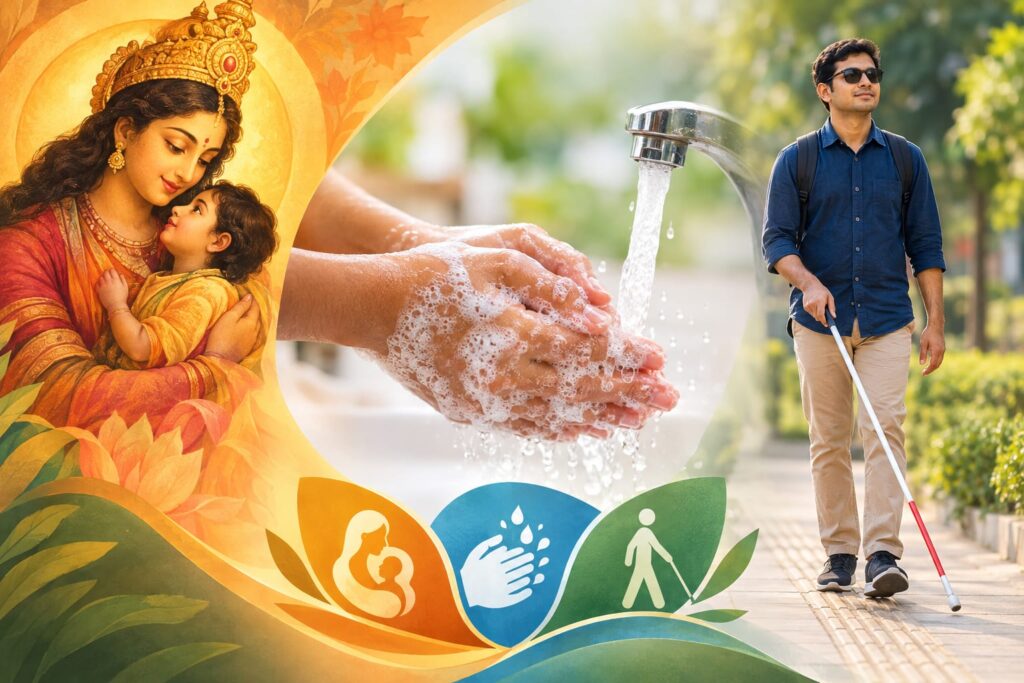
There are two observances on October 15, each carrying a significant societal message. This year, an additional celebration has been added because of the joyous occasion of Navaratri. As we worship Maa Skandamata, the embodiment of divine motherhood, on the fifth day of Navaratri this year, we are reminded to practise essential habits such as handwashing, which protects children from disease and creates a healthy environment. Clean hands serve as a reminder that even the smallest acts of kindness can have a long-lasting impact, much like a mother’s tender touch. The day reminds us that care and well-being begin with simple, everyday actions, ranging from the nurturing nature of motherhood to an emphasis on the significance of handwashing, hygiene, and health. Despite having different themes, these celebrations share the same message: knowledge, compassion, and responsible behaviour are the first steps towards a healthier and more compassionate world.

Handwashing is a simple habit that can save lives and create healthier communities. Global Handwashing Day is more than just a reminder to wash our hands. It was established in 2008 to raise awareness of the value of handwashing with soap as a simple, inexpensive, and effective way to prevent infections. It is observed annually on October 15 to promote handwashing as a crucial public health practice. During the first observance, communities, schools, and organisations came together to promote this essential habit. The idea is straightforward yet effective: although hands are involved in practically everything we do, they can also harbour bacteria that cause disease. The chain of infection can be broken by washing our hands with soap, particularly before eating or preparing meals and after using the restroom.
The COVID-19 outbreak highlighted the significance of this basic practice of washing our hands with soap and water, which we have incorporated into our daily hygiene routines. Handwashing became a crucial component of public health measures at a time when an unseen virus endangered lives and disrupted daily activities. It helped reduce the spread of disease through contaminated hands and surfaces and remove germs from our hands. Regular handwashing then became a crucial part of protecting ourselves and others around us, alongside wearing masks, ensuring proper ventilation, and following other recommended precautions.
The fact that October 15 brings together three powerful themes is remarkable. Worshipping Maa Skandamata traditionally represents a mother’s love and care, while Global Handwashing Day serves as a reminder that protecting one’s health often begins with a simple habit. The third significant observance is White Cane Day, which highlights the importance of independence, dignity, and inclusion for people with visual impairments. These three diverse observances remind us that true care goes beyond love; it also involves maintaining one’s health, respecting individual needs, and creating a society where everyone can live with dignity and equal opportunity. Taken together, they serve as a beautiful reminder that compassion becomes meaningful when it is demonstrated through our day-to-day actions and the way we treat one another.
The white cane is much more than just a tool for mobility; it represents autonomy, confidence, and the freedom to move with dignity. White Cane Day, observed on October 15, has its official origins in 1964, when a presidential proclamation acknowledged the significance of the white cane. This day urges society to look beyond visual impairment and acknowledge the potential, goals, and rights of those who are blind or have impaired vision. It serves as a reminder that inclusion entails more than just providing support; it also means creating an environment in which all people can move around safely, make their own decisions, and participate fully in everyday activities.
While motherhood symbolises care and handwashing symbolises protection, White Cane Day symbolises dignity and inclusivity. Taken together, these three themes remind us that a compassionate society must safeguard health, promote life, and ensure that no one is denied the opportunity to live freely.
(The author is a development sector professional. Views expressed are personal.)
Very well written, discursive article about the observance of many festivals along with fays dedicated to important issues for our community, culture and concern.
Thanks Aditi. Keep on writing. Writing involves deeper thinking. I am happy that the younger generation ( though I don’t know your actual age) is thinking and writing!!! God bless you.