


























The nine-day festival brings together 159 films from 86 countries, featuring international competitions, Indian Panorama, the ICFT-UNESCO Gandhi Medal and special showcases celebrating world cinema
Kapilas Bhuyan
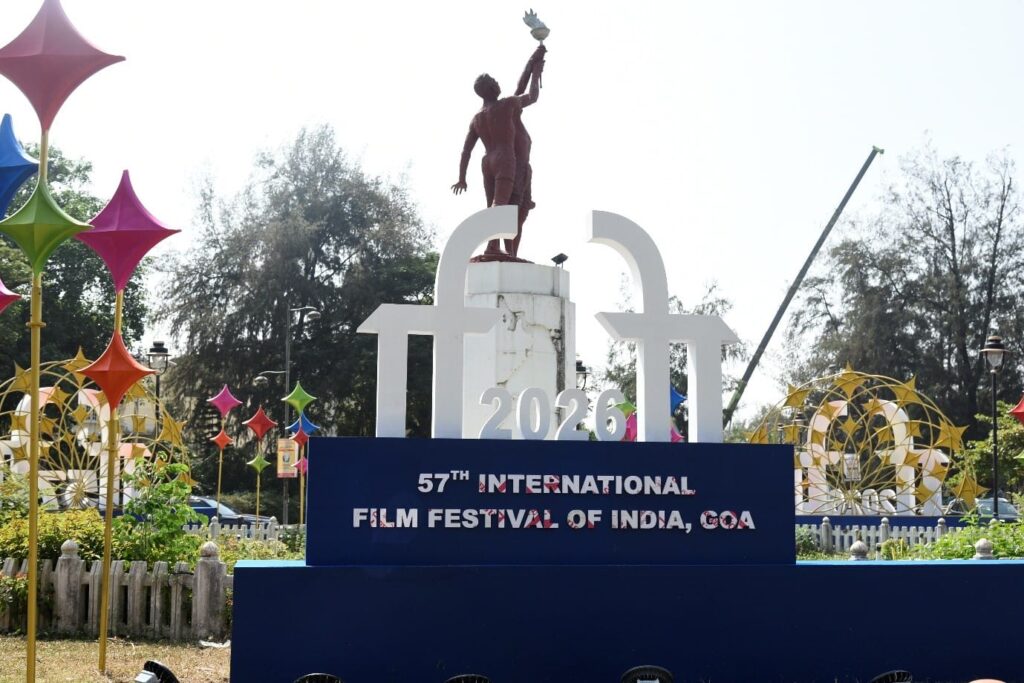
Borders are only on maps, but human stories are close to all our hearts. Human feelings shrink the gaps, and films evoke them best. Thus puts forth Ashutosh Gowariker, the Director of the International Film Festival of India (IFFI) 2026.
The 57th edition of IFFI-2026 is all set to unfold this evening at Panjim in Goa and will continue until 28th November. The theme of the current edition is ‘Stories Without Borders’, and it showcases about 159 films from 86 countries, shortlisted from a staggering 1,400 submissions.
The grand gala opening ceremony at Dr. Shyama Prasad Mukherjee Stadium, Goa, will feature musical presentations, cultural performances and ceremonial proceedings, marking the commencement of the nine-day festival.
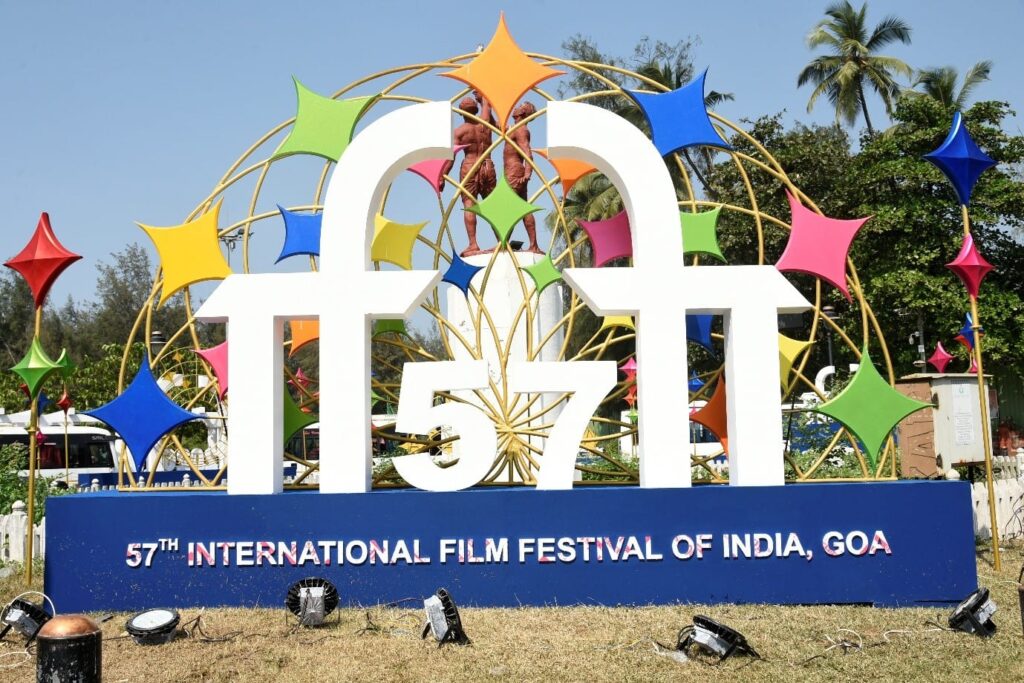
The festival has, as usual, major sections such as the International Competition, Indian Panorama, featuring 25 feature and 20 non-feature films, and WAVES Film Bazaar. Ten Indian and international fiction feature films will compete for the prestigious ICFT-UNESCO Gandhi Medal. The selected films in this section explore themes of peace, tolerance, empathy, social justice and intercultural dialogue, in keeping with the festival’s overarching theme, ‘Stories Without Borders’.
Instituted at the 46th edition of IFFI in 2015 in collaboration with the International Council for Film, Television and Audiovisual Communication (CICT-ICFT), Paris, under the aegis of UNESCO, the award recognises films that reflect Mahatma Gandhi’s ideals of non-violence, tolerance, intercultural understanding and a culture of peace.
Besides, this edition of IFFI has new sections such as Animation and Films About Films, as well as a film appreciation section for members of the media and communication students who are uninitiated into the concept of filmmaking as an art. This section is being organised in collaboration with the Film and Television Institute of India (FTII).
The International Competition Jury will be chaired by filmmaker Aanand L. Rai and will comprise distinguished cinema professionals from across the world, including Sol Berruezo Pichon-Rivière (Argentina), Bogdan Muresanu (Romania), María Alejandra Rojas (Colombia) and Ratchapoom Boonbunchachoke (Thailand). The jury will be felicitated during the opening ceremony.
The Feature Film Jury is chaired by National Award-winning filmmaker Madhur Bhandarkar, while the Non-Feature Film Jury is chaired by filmmaker and former Director of the Satyajit Ray Film and Television Institute, Himansu Sekhar Khatua.
A special presentation marking two decades of WAVES Film Bazaar will showcase its evolution as a platform connecting Indian filmmakers with the international film industry and facilitating creative and business collaborations.
The festival will open with Fatherland, directed by acclaimed Polish filmmaker Paweł Pawlikowski, whose work received the Best Director Award at the 2026 Cannes Film Festival. The Mid-Fest Film will be I Matter, directed by Alina Șerban, a Romania-Germany-Belgium co-production featuring dialogues in Romanian and Romani. The festival will conclude with We Are All Strangers, directed by Singaporean filmmaker Anthony Chen, bringing the nine-day celebration of world cinema to a close on 28th November. The festival will also spotlight international cinema through competitions, curated showcases and country presentations, with Spain as the Country of Honour and Russia as the Partner Country.
Indian cinema will find a prominent place through Indian Panorama, featuring 25 feature and 20 non-feature films in 18 languages. It is disheartening that there is not a single film from Odisha included in any of the sections or in Indian Panorama.
A special focus on BRICS cinema will further bring films from member and partner countries into the spotlight.
The festival’s competitive sections will recognise cinematic excellence through the prestigious Golden Peacock and Silver Peacock Awards, comprising six awards. The Golden Peacock will be presented for Best Film, while the Silver Peacock Awards will recognise Best Director, Best Actor (Male), Best Actor (Female), Special Jury Award and Best Debut Feature Film of a Director. The festival will also present the ICFT-UNESCO Gandhi Medal for a film promoting tolerance, intercultural dialogue and a culture of peace.
Established in 1952, IFFI continues to serve as an important platform for showcasing Indian and international cinema, fostering cultural exchange and bringing filmmakers, industry professionals and audiences together from across the world.
(The writer is a senior journalist, writer and national award-winning filmmaker. Views expressed are personal.)