




















Analysis of PM Modi’s austerity measures: What the “civic Satyagraha” means for India’s economy, gold imports, and the declining rupee in 2026
OdishaPlus Bureau
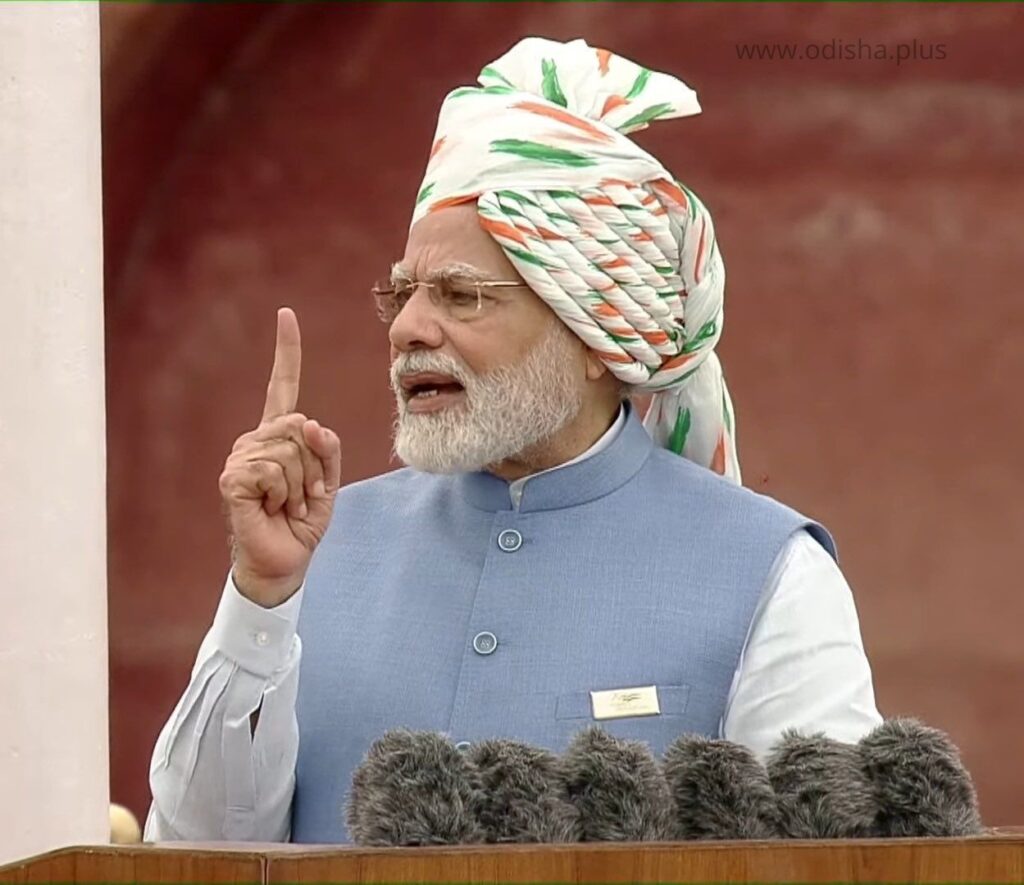
The post-election austerity initiative by Prime Minister Narendra Modi carries a foreboding implication. It appears that the economic situation in India is not as stable as it should be. Global challenges, especially the conflict in West Asia, are adversely affecting an economy that had shown resilience even during the Covid-19 pandemic. The Prime Minister has urged citizens to work remotely, utilize public transportation, refrain from unnecessary international travel, and delay gold purchases. By referencing the practices adopted during the disruptive pandemic, he has emphasized the importance of reducing fuel consumption and conserving foreign exchange. His appeal for a ‘civic Satyagraha’ is a politically savvy strategy, given that the majority of states are governed by the BJP either independently or in coalition with other parties. Nevertheless, it appears that the Modi administration is bracing the populace for a crisis that it did not foresee.
India significantly relies on imports of crude oil and gold, which puts pressure on foreign exchange reserves when global prices rise. Promoting fuel conservation, domestic tourism, and decreasing reliance on imports are prudent strategies in response to an unpredictable international landscape. Nevertheless, it is important to note that the government has primarily focused on the Assembly elections for the last six weeks. Consequently, economic management was not prioritized during this time. Currently, initiatives are being implemented to address these challenges.
Requesting families to postpone overseas weddings or refrain from purchasing gold indicates concern regarding the alarming decline of the rupee. A government that has consistently asserted economic robustness is now advocating for behavioral moderation on a national level. Certain measures may lead to unforeseen repercussions. India’s jewelry industry sustains millions of jobs, and a significant reduction in gold acquisitions could adversely affect workers more than affluent investors. Furthermore, the work-from-home policy is impractical for many segments of the workforce. While civic duty is important, it cannot replace the need for contingency planning. The government must promptly implement corrective action.