




















Artists, activists, and creators gathered in Bhubaneswar for UNICEF Odisha and Aaina’s initiative promoting menstrual rights, dignity, awareness, and inclusion
OdishaPlus Bureau
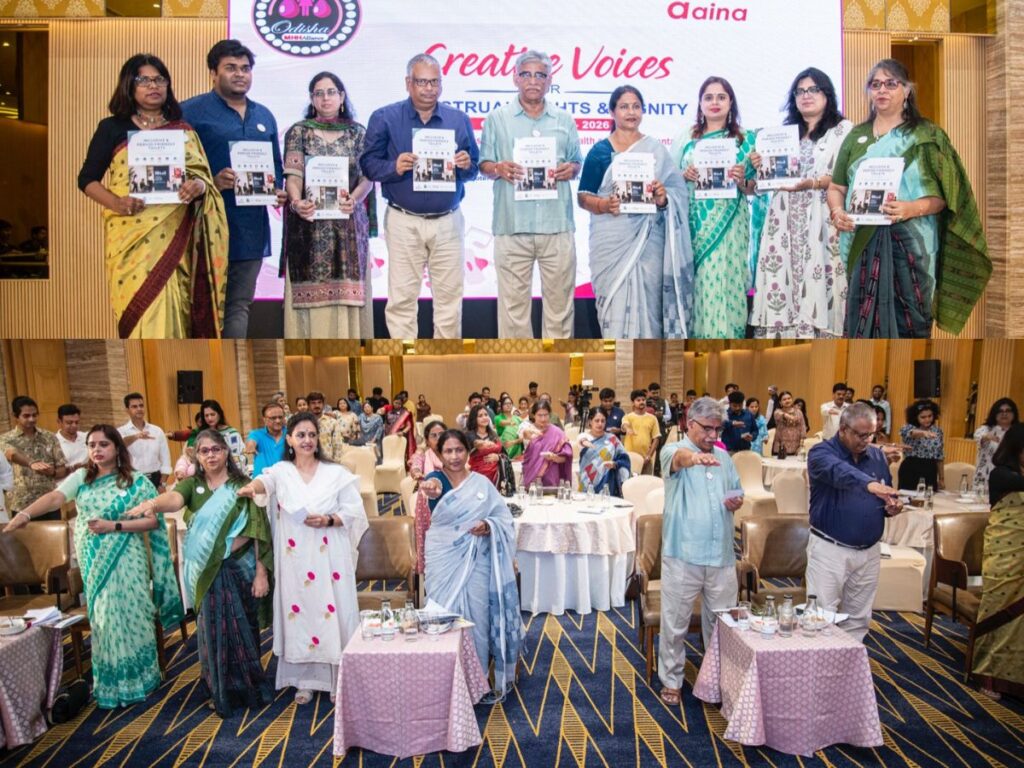
In a powerful collective effort to break the silence around menstruation and promote dignity, inclusion, and awareness, Aaina and UNICEF Odisha jointly hosted “Creative Voices for Menstrual Rights & Dignity” on Wednesday in Bhubaneswar, as part of the Global Menstrual Health & Hygiene Day 2026 observance.
The initiative brought together a diverse group of artists, musicians, actors, filmmakers, writers, storytellers, and media professionals to explore how creative expression can play a transformative role in challenging long-standing stigma and normalising conversations around menstrual health.
Speaking at the event, Prasanta Dash, Chief Field Officer, UNICEF Odisha, highlighted that menstrual health goes far beyond hygiene. “Menstruation is deeply connected to dignity, confidence, equality, education, and inclusion. While policies and legal frameworks matter, real change happens through human connection and empathy. Artists and creators have the power to start conversations that transform families and communities,” he said.
He added that creative platforms such as music, films, and storytelling can help young people speak more openly and confidently about menstruation, gradually dismantling deep-rooted taboos.
Echoing similar sentiments, Sneha Mishra, Secretary of Aaina, stressed the need to shift the discourse from silence to rights-based understanding. “Menstrual health must be viewed not just through a hygiene lens but as a matter of rights—linked to dignity, equality, and inclusion. Society must move beyond shame and build a culture of openness and shared responsibility,” she said.
Bhubaneswar Mayor Sulochana Das underscored the importance of normalising menstrual conversations across homes, schools, and public spaces. She stated, “Menstrual health is not merely a women’s issue; it is a matter of dignity and equal rights. We must ensure access to safe menstrual hygiene facilities and break the silence that surrounds it.”
Jagadananda, Co-founder of Centre for Youth and Social Development, noted that despite progress in awareness, social stigma continues to persist. He called for deeper societal engagement and sustained dialogue to dismantle entrenched taboos around menstruation.
Renowned singer Susmita Das highlighted the role of art in driving social change, saying that music and performance can create emotional connections that encourage openness and reduce shame among young people.
The event concluded with a collective appeal for continued conversations, empathy, and inclusive participation of all genders in discussions around menstrual dignity. Participants reaffirmed their commitment to building a more open, informed, and a Period-Friendly-World.