
























The Self-Cure Code by Dr Dinesh Verma explores the connection between consciousness, emotions, beliefs, genetics and physical well-being. The book encourages readers to reflect on self-awareness and mental health while examining how science and Indian philosophical thought intersect in understanding healing
Aarav Mehta
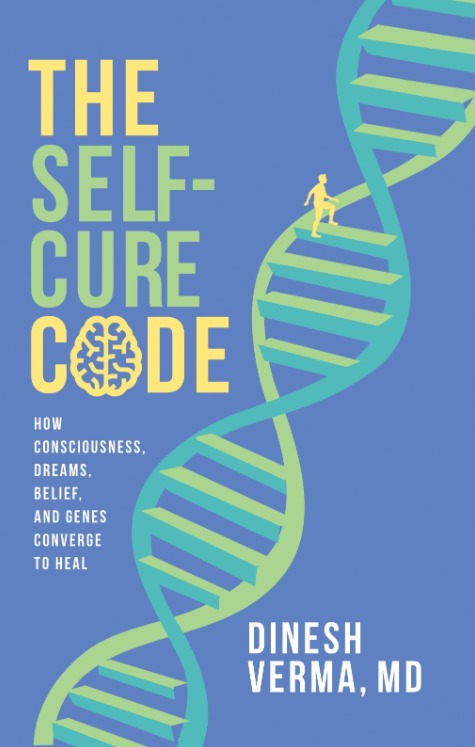
Book: The Self-Cure Code
Author: Dr Dinesh Verma
Publisher: Readomania
Today’s youth are growing up in an environment of relentless competition, academic pressure, career uncertainty and the constant need to measure up. Social media has made comparison almost unavoidable, while the pressure to succeed, stay relevant and maintain a seemingly perfect life leaves little room to pause. Beneath the appearance of ambition and confidence, many young people are dealing with anxiety, emotional exhaustion, disrupted sleep and a growing sense of disconnection from themselves.
But what if the answer to managing some of these challenges begins with understanding how our minds influence our bodies?
This is one of the fascinating questions explored in The Self-Cure Code: How Consciousness, Dreams, Belief, and Genes Converge to Heal, the fourth book by internationally trained ophthalmologist, researcher and author Dr Dinesh Verma, published by Readomania.
At a time when conversations around mental health are becoming increasingly important, Dr Verma takes readers beyond conventional discussions of wellness. Drawing on over three decades of experience in medicine, research and medical innovation, he explores the intricate relationship between consciousness, emotions, beliefs, genetics and the body’s ability to heal.
One of the book’s most compelling ideas is that healing cannot always be viewed through the lens of physical symptoms alone. Our emotional experiences, thought patterns and beliefs are also important parts of the larger picture. Through discussions on epigenetics, the placebo effect, dreams and emerging research into consciousness, Dr Verma invites readers to reconsider how closely the mind and body are connected.
For young readers navigating an increasingly stressful world, this perspective offers an opportunity for reflection. We spend considerable time investing in our education, careers, physical appearance and professional growth, but how much attention do we give to our inner well-being? How often do we recognise the impact of prolonged stress, unresolved emotions or negative thinking on our overall health?
The book does not present healing as a matter of simply thinking positively or replacing medical treatment with belief. Instead, it encourages a deeper understanding of the many factors that contribute to human well-being. This distinction makes its exploration particularly relevant in an age when quick fixes and oversimplified wellness advice are everywhere.
What also makes The Self-Cure Code different is its deeply personal dimension. Dr Verma brings together scientific inquiry with reflections on family illness, grief, personal loss and spiritual growth. These experiences lend an emotional depth to the narrative, reminding readers that the questions surrounding healing are not merely academic. They are questions that emerge from real-life struggles, uncertainty and the search for meaning.
The book also draws connections with Indian philosophical thought, creating an interesting meeting point between ancient wisdom and contemporary scientific exploration. Rather than treating science and spirituality as opposing ideas, it encourages readers to examine the questions that emerge where the two intersect.
Perhaps its greatest relevance for today’s generation lies in the importance it gives to self-awareness. In a culture that celebrates constant productivity, the ability to pause, reflect, understand one’s emotions and pay attention to mental well-being is becoming increasingly valuable.
The Self-Cure Code is not a conventional self-help manual offering instant solutions. It is an invitation to question familiar assumptions about health, explore the mind-body connection and become more conscious of the factors influencing our well-being.
For a generation accustomed to searching for answers outside itself, Dr Verma’s book raises a timely question: While we work so hard to build successful lives, are we paying enough attention to the minds and bodies that make those lives possible?
Sometimes, the most important journey towards well-being begins not with doing more, but with understanding ourselves better.
(The author is a young writer with an interest in mental health, youth issues, books and contemporary social conversations. Views expressed are personal.)