













Anaemia affects over half of Odisha’s adult women. Explore why testing, nutrition, treatment and follow-up are vital to tackling anaemia
Bhaskar Parichha
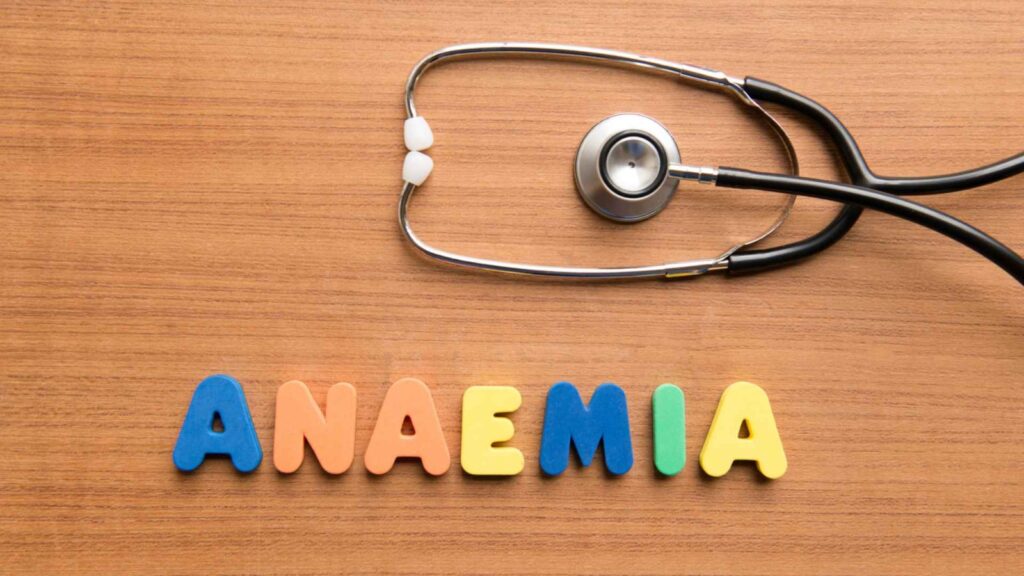
When more than one in two adult women in a state are anaemic, we are looking at a condition so common that it can pass for normal. It should not. Anaemia reduces the blood’s capacity to carry oxygen. It can leave people tired, weak and breathless, and in pregnancy, it raises risks for both mother and baby. A woman who is always exhausted may be told that this is simply the price of running a home and earning a living. It is a health problem that can be tested for and very often treated.
The SAMPADA survey 2023-25, conducted by the ICMR-National Institute of Nutrition, puts anaemia among Odisha’s women aged 20-59 at 53.4 per cent. Among men of the same age, it is 22.7 per cent. The divide appears early: 45 per cent of adolescent girls are anaemic, against 17.5 per cent of boys.
Biology, including menstruation and pregnancy, explains part of this gap. It should not end the discussion. We must also ask what women eat, how often they are tested, and whether they can get care without losing a day’s work. The headline figures cannot answer these questions, but policy has to.
Nor is this only a story about young women and mothers. Anaemia affects 59.6 per cent of Odisha’s women aged 60 and above, higher than the national figure of 55.7 per cent. Among older men, it is 46.2 per cent. Programmes organised around childhood, adolescence and motherhood can easily leave the elderly at the margins. Haemoglobin testing should be a routine part of their care, followed by an inquiry into the cause. In older people, anaemia can signal chronic disease or hidden blood loss.
That search for causes matters at every age. Nationally, about half of anaemia cases among women, adolescent girls and children are linked to iron deficiency, according to the government’s summary of SAMPADA. Infections, inherited blood disorders and inflammation from chronic disease also need attention. These national findings do not tell us the share of each cause in Odisha. They do tell us that one remedy will not fit everyone.
This is no argument for abandoning iron and folic acid. Iron deficiency remains a major contributor, particularly among women and children, and the national findings link it strongly with moderate and severe cases. Supplements must reach those who need them, with counselling on how to take them and what to do about side effects. But a tablet handed out is not necessarily a tablet taken, and a tablet taken cannot treat every kind of anaemia.
Odisha is not starting from scratch. In 2022, it launched the Anaemia Mukta Lakhya Abhiyan, or AMLAN. Its design included testing, treatment, iron and folic acid supplements, training and public communication, with schools and anganwadi centres among its delivery points. The task now is to establish how well each link in this chain works. The state should publish regular district-level data on how many people were tested, how many began treatment, how many were tested again and how many recovered. Counting tablets distributed is not enough.
Three priorities follow. First, every positive test should lead to a clear next step. Those with moderate or severe anaemia need prompt treatment and tracking. Cases that do not improve need further investigation and referral.
Second, services must reach beyond classrooms and antenatal clinics. Girls out of school, working women and older people need convenient opportunities for testing and follow-up. Village health workers can help, but they need reliable supplies, working referral links and time to do the job.
Third, nutrition efforts must be practical. Advice to eat better means little to a family that cannot afford a varied diet. Food schemes should widen access to diverse, locally accepted foods. Health workers should also address the habit, where it exists, of women eating last and least. Infection control, sanitation and screening for inherited blood disorders, where appropriate, belong in the same effort.
There is reason for hope. SAMPADA found that severe anaemia is below 2 per cent in most age groups, and many cases are mild. That is an opportunity to act early. It is no licence for complacency. Nationally, only about half of anaemic women and adolescent girls have the mild form.
Odisha should judge success by whether a woman is tested, learns why she is anaemic, receives suitable care and gets better. Her fatigue should never be accepted as part of being a woman.
(The author is a senior journalist and columnist. Views expressed are personal.)