



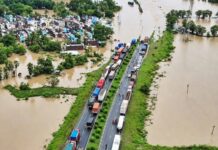






















Rising sea levels and warming oceans heighten coastal vulnerabilities, underscoring the need for stronger early warning systems, resilient infrastructure and community-led disaster preparedness across Odisha
Bhaskar Parichha
In recent years, there has been a noticeable increase in the frequency and intensity of cyclones in the region. This trend is believed to be linked to climate change, which is causing rising sea levels and warmer ocean temperatures. These changes create more favourable conditions for cyclones to form and intensify, posing a significant threat to the people of Odisha.
Climate change has a profound effect on Odisha’s disaster preparedness plans in a variety of ways. Rising temperatures and sea levels are contributing to more frequent and severe disasters such as cyclones, floods, droughts, and heat waves. This necessitates more robust and frequent evacuation drills, shelter maintenance, and emergency response planning. The prevalence of water- and vector-borne diseases like malaria and dengue fever is worsened by climate change. Consequently, the health sector must incorporate climate change considerations into health policies, enhance disease management, and implement measures to mitigate the impact of heat waves.
Changes in monsoon patterns and more frequent cyclones result in widespread food and nutrition insecurity. Disaster preparedness efforts should prioritise ensuring access to nutritious food and promoting sustainable agricultural practices. Rising sea levels due to climate change and the increased intensity of storms pose a threat to coastal infrastructure, including cyclone shelters and evacuation routes. Regular maintenance and improvement of these structures are essential to minimise the impact of climate change.
Raising awareness about climate change and ensuring preparedness require ongoing community involvement and capacity building. This involves training volunteers, promoting safe migration practices, and increasing media coverage of climate change issues. Climate change can negatively impact economic growth and exacerbate poverty. Disaster preparedness strategies need to address these economic risks by encouraging sustainable industries, renewable energy, and climate-resilient infrastructure.
Given the changing impacts of climate change, Odisha’s disaster preparedness strategies must evolve to ensure effective response and mitigation measures. This requires ongoing investment in disaster preparedness and response measures, as well as efforts to address the underlying causes of climate change.
By taking proactive steps to mitigate the impact of cyclones and adapt to changing climatic conditions, Odisha can better protect its coastal region and ensure the safety and well-being of its people. Financial investment in measures to reduce disaster risk and adapt to climate change is essential for the east coast of India. This includes funding for the development and maintenance of early warning systems, the construction of resilient infrastructure, and community preparedness initiatives.
Investment in research and development of new technologies and strategies for cyclone mitigation is crucial in building a more resilient and adaptive east coast community.
As climate change continues to influence weather patterns, the frequency and intensity of cyclones in this region may increase, further highlighting the need for effective disaster management strategies and resilient infrastructure to protect the vulnerable populations of Odisha.
In the face of a cyclone, communities must come together to prepare for and respond to the impending disaster. Early warning systems and evacuation plans can help minimise the impact of a cyclone, saving lives and reducing property damage. In the aftermath of a cyclone, communities must work together to rebuild and recover, demonstrating resilience in the face of adversity.
(This article draws on excerpts from ‘Cyclones in Odisha – Landfall, Wreckage and Resilience’, a book by senior journalist and columnist Bhaskar Parichha, published by Pen In Books. Views expressed are personal.)