













Over half of adult women in Odisha are anaemic, rising to 59.6% among those above 60, according to the ICMR-NIN SAMPADA 2023–25 nutrition and health survey
OdishaPlus Bureau
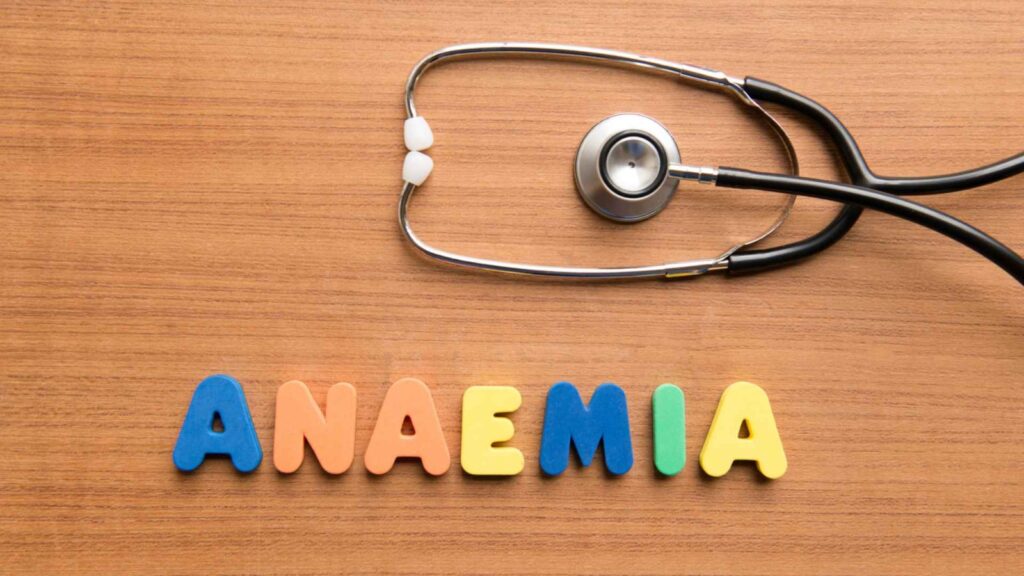
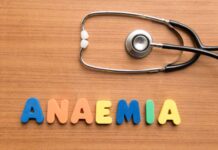
More than half of adult women in Odisha suffer from anaemia, with the prevalence rising to nearly 60 per cent among women aged above 60, according to the SAMPADA survey 2023-25 conducted by the Indian Council of Medical Research (ICMR)-National Institute of Nutrition (NIN).
The findings highlight the persistence of anaemia across age groups and point to a significant nutritional challenge in the state.
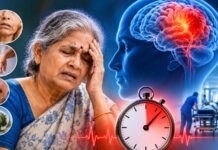
According to the survey, 53.4 per cent of women aged 20-59 years are anaemic, while the prevalence among adolescent girls aged 10-19 years stands at 45 per cent. Women aged 60 and above are the worst affected, with 59.6 per cent suffering from anaemia, higher than the national average of 55.7 per cent.
Children are also affected. The survey found anaemia in 35.8 per cent of children aged 12-59 months and 21.5 per cent of those in the 5-9 years age group.
The data also reveals a considerable gender gap. Among men aged 20-59 years, 22.7 per cent were found to be anaemic, compared with 53.4 per cent among women in the corresponding age group. The prevalence among men aged 60 and above, however, was 46.2 per cent.
Among adolescents, 17.5 per cent of boys were anaemic, substantially lower than the 45 per cent recorded among girls.
The report cautions that anaemia cannot be attributed solely to iron deficiency. Iron deficiency accounts for only a proportion of the overall burden, affecting 27 per cent of adolescent girls and women of reproductive age, compared with overall anaemia prevalence rates of 46 per cent and 56 per cent, respectively.
The survey also found that a substantial proportion of cases were mild. Around half of the affected children, adolescent girls and women, including pregnant and lactating women, had mild anaemia. Among adolescent boys, adult men and the elderly, nearly three-fourths of anaemia cases were classified as mild.
“This indicates that most cases are at a less severe stage and provide an important opportunity for early and timely intervention. Severe anaemia is less than 2 per cent in the majority of the age groups,” the report said.
The findings underline the need for sustained nutritional interventions, wider screening and timely treatment, particularly among women and older people.