





















Odisha approves an automated video-based beach monitoring system starting in Puri and a regional INCOIS centre to detect rip currents and boost coastal safety
OdishaPlus Bureau
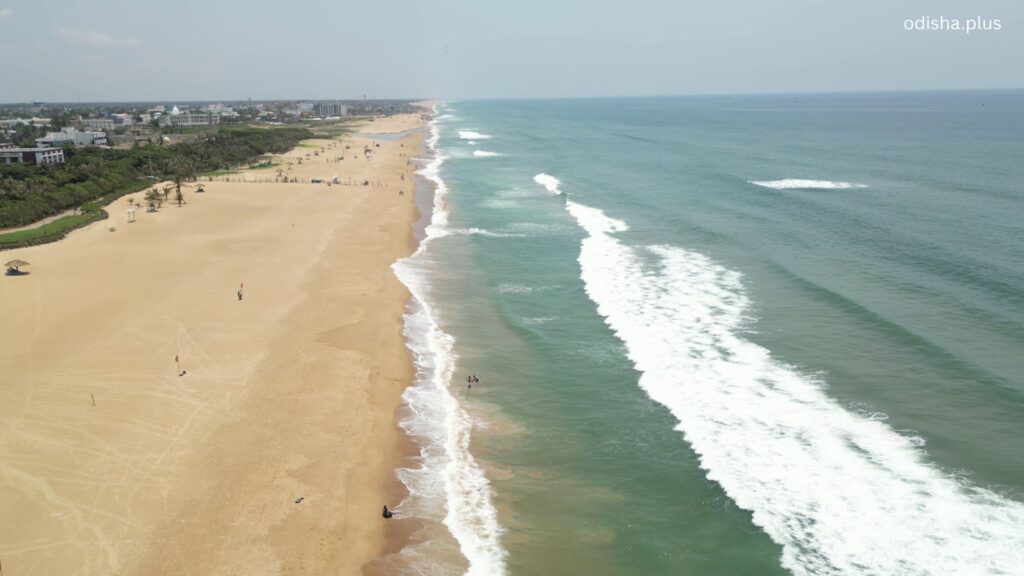
In a major initiative to strengthen coastal safety and disaster preparedness, Odisha will set up a regional centre of the Indian National Centre for Ocean Information Services (INCOIS) and introduce an automated video-based beach monitoring system to detect dangerous sea currents and prevent drowning incidents.
Chief Minister Mohan Charan Majhi has approved the proposals aimed at improving ocean information services, providing accurate weather forecasts and issuing early warnings about marine hazards along the state’s coastline.
According to an official statement issued by the Chief Minister’s Office, a memorandum of understanding is expected to be signed shortly between INCOIS, functioning under the Union Ministry of Earth Sciences, and the Odisha government’s Science and Technology Department.
Under the proposed arrangement, the state government will provide land for the regional centre, while the Centre will be responsible for its operation.
The beach monitoring system will use high-resolution cameras, sensors and specialised software to detect rip currents in real time. These powerful, narrow channels of water flowing away from the shore pose a serious threat to swimmers and are a major cause of drowning incidents at beaches.
Puri will be the first beach in Odisha to receive the automated monitoring system. Following the successful implementation of the pilot project, other important coastal destinations, including Gopalpur, will also be covered.
Officials said the technology would enable authorities to identify dangerous stretches of the coastline and issue timely warnings to tourists and local residents. The system is expected to strengthen beach surveillance, particularly during peak tourist seasons and periods of rough sea conditions.
INCOIS has already installed a similar automated video-based beach monitoring system in Visakhapatnam on a pilot basis, with encouraging results.
In another initiative to strengthen ocean observation and disaster forecasting, a regional centre of the National Institute of Ocean Technology (NIOT), Chennai, will be established in Puri.
According to Science and Technology Department Deputy Director Sashikanta Dash, NIOT will install an ocean observatory to improve the early detection and prediction of tsunamis and other extreme marine weather events.
The two initiatives are expected to strengthen Odisha’s capacity to monitor ocean conditions, improve coastal warning systems and protect communities dependent on the sea.
With a coastline of around 575 km and a history of cyclones, storm surges and coastal hazards, Odisha has considerable stakes in developing advanced ocean-monitoring infrastructure. The proposed centres could also enhance scientific research and provide valuable information for fisheries, coastal planning and maritime activities.
The initiatives assume particular significance for Puri and other coastal tourist destinations, where the growing movement of visitors has increased the need for effective beach safety arrangements.
Beyond improving disaster preparedness, the projects could help Odisha move towards a more technology-driven approach to coastal governance, combining scientific observation, real-time monitoring and timely public warnings.