



















Timely recognition of brain stroke symptoms within the golden window saves lives, supported by stroke-ready hospitals, rehabilitation, and community empathy
Dr Aditi Panda
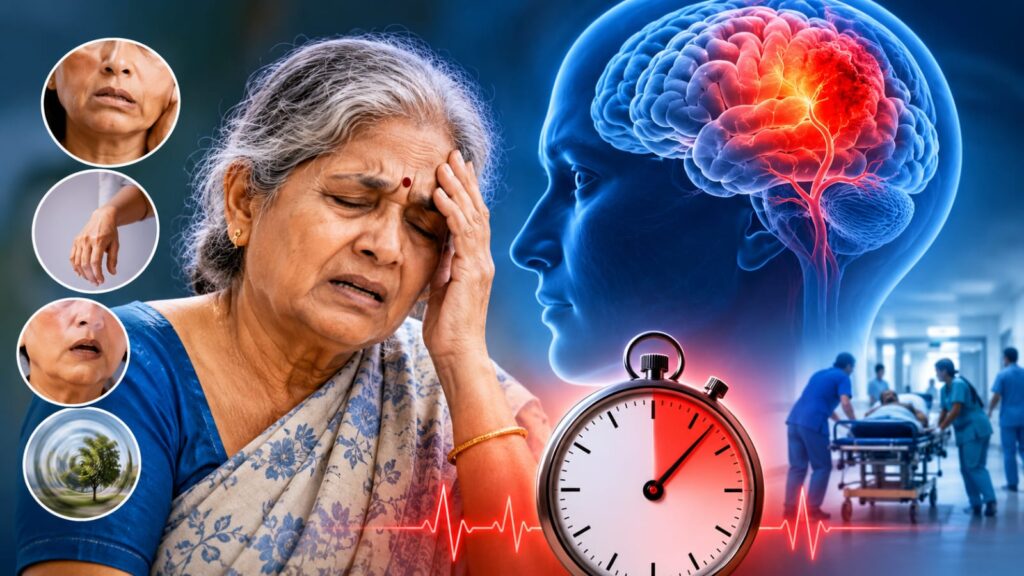
It may be any time of day or night, with everything going on around you as it always does, with regular conversations and people going about their daily lives. Then suddenly, something CHANGES. Suddenly, a familiar face appears different. One side of the body feels oddly weak, or the body becomes sluggish and incapable of moving without support. At times, words cease or become incomprehensible, followed by uncertainty about what is taking place. What seems to be a sudden health concern is a warning that every second counts, as it could possibly be a BRAIN STROKE.
When a stroke strikes, panic often takes over before understanding does. Family members and neighbours are unable to decipher what is happening or what they should do first. They might contemplate waiting to see if the symptoms get better, try home remedies, consult someone they know, or waste important time deciding which hospital to go to. Amid this confusion, valuable minutes can slip away. What is needed at that moment is not panic or hesitation, but awareness of how to recognise the warning signs and seek emergency medical help without delay.
When it comes to a brain stroke, time is brain, as the first few hours are extremely critical. The World Stroke Organization highlights a treatment window of up to four hours from the onset of symptoms for many eligible patients with ischaemic stroke to receive clot-busting treatment. The earlier the treatment is provided, the better the chances of a positive outcome.
This is often referred to as the golden window, a period when timely medical intervention can make a significant difference. Therefore, instead of freaking out or waiting for symptoms to disappear, families need to recognise the warning signs and seek emergency medical attention immediately. Remember, a stroke is not a condition to watch and wait for. Recognise the signs, act without delay, and let the doctors take over.
“That morning began like any other. After visiting my health club, plucking fresh flowers for my daily pooja and getting ready for the day, I suddenly experienced numbness in my legs, double vision, drooping and loss of sensation on one side of my face, and extreme weakness that left me unable to stand. It was around 10:30 AM. When our blood pressure monitor unexpectedly failed, my daughter-in-law rushed to our neighbours, Nilambar Rath and Pranati Parida, for help.
Drawing on her medical experience, she administered basic aid, and the couple rushed me to the nearest hospital. Examinations revealed that I had suffered eight strokes, two of them while undergoing an MRI scan. Thanks to prompt medical intervention and the dedicated care of the doctors and ICU team, I recovered without surgery. After three days in the ICU and two days of observation in the general ward, I was discharged, and today, I can walk independently without any lasting dysfunction,” shares Minati Patra, a brain stroke survivor, emphasising the positive impact of immediate action.
Creating awareness among people is only one part of the solution, as it is also important to make our healthcare facilities stroke-ready, particularly in rural areas, where a lack of awareness, limited diagnostic facilities and the absence of specialist doctors can result in precious time being lost.
Eminent neurologist Dr Maya Gantayet stressed that creating awareness about stroke symptoms and the importance of timely intervention are crucial factors in saving precious lives. “Families and communities must know how to Act FAST, while healthcare institutions need to strengthen training and emergency protocols for first responders to ensure better patient outcomes,” she said.
“Stroke recovery goes beyond medical treatment. Family support, continued rehabilitation and community acceptance are essential to helping post-stroke survivors overcome temporary or permanent disabilities, rebuild their lives and return to mainstream society with dignity,” Dr Gantayet adds.
Our district hospitals and community health centres need trained doctors and nurses, access to timely CT scans, clear emergency protocols and efficient referral arrangements with advanced stroke centres. Telemedicine can further help connect rural doctors with specialists in larger hospitals. Equally important is training frontline health workers, including ASHAs and ANMs, to recognise stroke symptoms and facilitate immediate referral. We need a healthcare system where a person experiencing a stroke does not have to struggle to find the right hospital or the right doctor. Stroke care should not depend on where a person lives, and timely and appropriate treatment must be accessible to everyone.
Emergency care and survival should not be the end of stroke education. Rehabilitation is essential to helping stroke patients restore their independence and quality of life, but recovery from a stroke can be a lengthy process. Sadly, many families are not aware that stroke rehabilitation may involve more than just medication and regular check-ups.
Survivors may require occupational therapy to assist them in returning to daily activities, speech and language therapy to address issues with speaking, understanding or swallowing, and physiotherapy to restore movement and balance, depending on the effects of the stroke. To cope with emotional and behavioural changes, psychological support may also be essential. Many people erroneously think that rehabilitation is optional or that speech problems will go away on their own. We must shift this perception and make sure that rehabilitation is a crucial component of stroke care, with resources and support made available to survivors, especially in remote areas where access to healthcare is still a matter of concern.
“My body recovered faster than I had expected. However, the impact of the stroke on my speech was far more difficult to overcome. The injury to my auditory nerve affected the clarity of my speech, and since we were in Sambalpur for a few days following the stroke, I could not access speech therapy immediately. For someone who had spent years as a Marketing Head and had been appreciated for their communication and speaking abilities, this was an extremely difficult setback for me. Speech had been one of my greatest professional strengths, and suddenly, I struggled to express myself clearly. What made it even harder was people’s response. Not everyone had the patience to listen, understand or try to comprehend what I was trying to communicate,” shares Guru Sharan Panda, another stroke survivor who experienced a brain stroke and was forced to retire early.
“I gradually realised that there is a very thin line between empathy and sympathy. While people may genuinely wish to express concern, excessive sympathy or constant comparisons with one’s earlier abilities can be deeply uncomfortable. I did not want to be remembered for what I had lost; I wanted people to recognise that I was still the same person, with the same thoughts, experiences and abilities, even if expressing them had become more difficult. This experience was more challenging in my professional life. I felt that my workplace ignored the incidents and stress I had experienced before the stroke, which I believe contributed to my health crisis. The professional expectations and comparisons with my earlier performance added to the emotional burden of rebuilding my confidence,” adds Mr. Panda.
The need of the hour is to create greater awareness that the consequences of a stroke extend far beyond physical disability. Whether it is a brain stroke or a heart attack, the impact of a major health crisis can extend into a person’s emotional well-being, relationships, confidence and professional life. Survivors need more than medical treatment; they also need patience, dignity, understanding and an environment that allows them to rebuild their lives without being constantly judged against who they were before. Recovery is not simply about getting one’s body back to normal. It is also about reclaiming one’s confidence, individuality, dignity and identity in society.
Preparing our healthcare system to properly respond to brain stroke, which is slowly becoming a significant cause of mortality and long-term disability, must become a public health priority. To improve the accuracy, affordability and accessibility of stroke care, the government and the medical community must take responsibility. This calls for strengthening emergency stroke services at district hospitals, equipping healthcare facilities with essential diagnostic facilities, training doctors, nurses and frontline health workers to recognise and respond to stroke symptoms, and establishing effective referral networks between rural health centres and specialised hospitals.
“With a projected 1-in-4 lifetime risk, brain stroke has quietly become a household reality across India. Mitigating this escalating public health burden demands immediate, coordinated investment from the government and all key stakeholders in community-level awareness, preventive care and rapid response systems. Unless we act decisively now, the resulting disability and loss of life will severely impact India’s workforce and economic productivity,” says Nilambar Rath, Co-Chair, IFI Foundation, public health communication specialist, and brain stroke awareness advocate.
“While the government must strengthen policies to leverage last-mile healthcare infrastructure and community outreach mechanisms for stroke management, private healthcare providers must also step up to make their facilities stroke-ready and train their frontline workforce on priority. Currently, both sectors remain inadequately prepared to handle the scale of this crisis,” adds Nilambar.
Equally important is ensuring access to post-stroke rehabilitation, including physiotherapy, speech therapy, occupational therapy and psychological support. Government-led awareness campaigns, particularly in rural and underserved communities, can help families recognise the warning signs and seek immediate medical attention. Stroke care must not end with saving a life; it must also focus on helping survivors regain their independence, dignity and ability to participate in society.
(The author is a development sector professional. Views expressed are personal.)