





















Housing and Urban Development Department asks municipal bodies to coordinate with police and district authorities, conduct regular inspections, rescue vulnerable children and strengthen rehabilitation measures
OdishaPlus Bureau
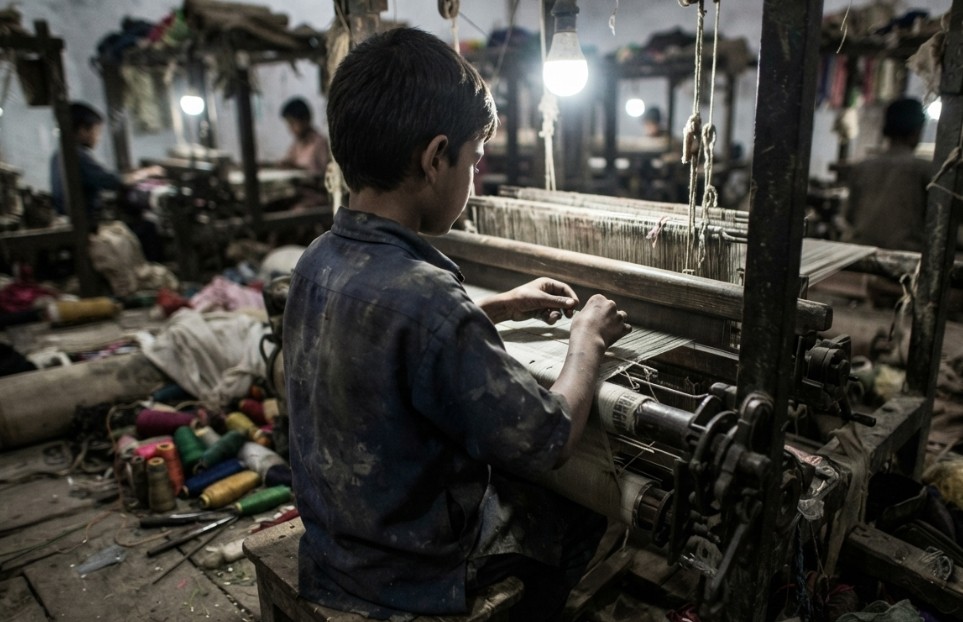
The Odisha Housing and Urban Development Department has directed all municipal corporations, municipalities and notified area councils to take immediate and coordinated steps to prevent child labour, begging and the exploitation of children in urban areas.
The directive follows an advisory issued by the Odisha State Commission for Protection of Child Rights, asking urban local bodies to work closely with district administrations, police, the Labour Department and District Child Protection Units to identify and prevent such cases.
Municipal commissioners and executive officers have been instructed to request district collectors to convene meetings of the District Task Force and prepare city-specific action plans to tackle the problem.
As part of the enforcement drive, joint inspections and rescue operations will be conducted regularly at traffic junctions, streets, markets, bus stands, railway stations, commercial establishments and work sites. Anti-Human Trafficking Units and Investigative Units for Crime Against Women will also participate in the operations.
Children rescued during these drives will be treated as Children in Need of Care and Protection and produced before the respective Child Welfare Committees. Where necessary, they will be placed in suitable Child Care Institutions and provided with access to formal education, healthcare, nutrition and counselling in accordance with the Juvenile Justice Act.
The department has called for stringent legal action against organised begging rackets and individuals found exploiting children. Urban local bodies have also been asked to launch awareness campaigns to discourage child labour and the practice of giving alms to children.
Citizens will be encouraged to report instances of child labour, begging and exploitation to the authorities to facilitate timely intervention.
Municipal commissioners and executive officers have been directed to monitor the implementation of the measures and submit regular progress reports to the Directorate.