






















An analysis of neo-surrealism in Shantanu Acharya’s novels Nara Kinnara and Shakuntala, exploring myth, psychology, and modern Odia literature
Pradeep Kumar Biswal

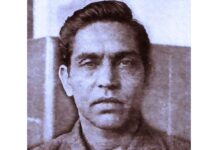
Shantanu Kumar Acharya is a prominent Odia novelist and short story writer. His works represent a new trend in Odia fiction. He introduced neo-surrealism in her novels, which distinguished him from his predecessors and contemporary writers. Neo-surrealism in his novels is best understood through close reading of his novels, such as Nara Kinnara and Shakuntala, where he blends psychological depth, symbolic narration, and social commentary through surreal and dream-like literary techniques.
His debut novel, Nara Kinnara (1962), is one of his most striking examples of neo-surrealistic narrative introduced in Odia literature. The novel explores the duality between human reality and mythical or symbolic existence. The title itself reflects the fusion of Nara (human) and Kinnara (a mythical celestial being). Acharya uses this symbolic duality to show the divided consciousness of modern individuals, the conflict between instinct and morality, and the tension between spiritual aspiration and physical reality. The characters in this novel often appear grounded in ordinary social settings but simultaneously carry symbolic and almost supernatural psychological dimensions.
The story in this novel frequently shifts between reality, memory, and imagination. Events do not always follow logical progression. Instead, here the past and present merge, the characters experience symbolic visions, and psychological conflicts are externalised through surreal imagery. This reflects neo-surrealism by using imaginative distortions to expose deeper emotional and existential crises.
The author uses surreal elements to critique modern society, particularly the loss of ethical values, alienation in modern urban life, and the collapse of traditional cultural harmony. The transformation between human and mythical states metaphorically represents moral and cultural fragmentation.
In one of his novels, written at a later stage, named Shakuntala (1980) , the author reinterprets mythological and classical cultural memory through a modern psychological and surreal framework. Here, he attempts to reinterpret myth and memory strikingly. Rather than traditionally retelling a classical myth, Acharya reconstructs it through fragmented recollections, emotional symbolism, and psychological reinterpretation of relationships. The narrative transforms myth into an exploration of human loneliness, memory, and identity crisis.
The novel demonstrates neo-surrealist structure through non- linear storytelling, overlapping layers of past experiences and present reality, and blurring between personal memory and collective cultural memory. This fractured narrative style reflects the instability of modern identity.
The characters in this novel experience internal emotional struggles expressed through surreal symbolic spaces such as illusory environments, symbolic natural imagery, and psychological visions representing suppressed emotions. Through these techniques, the writer creates an internal, surreal world that mirrors social and emotional isolation.
Both works share several defining elements of Acharya’s neo-surrealism. There’s a fusion of myth and modern reality in both novels. Traditional mythological symbols are used to interpret contemporary social issues. He has used psychological symbols to describe the inner conflicts of the characters. Surreal imagery represents subconscious fears, desires, and identity conflicts. Readers are confronted with narrative fragmentation in his works. Discontinuous storytelling reflects unstable human experiences. One would come across existential and social anxiety in these novels. The characters struggle with alienation, moral decline, and cultural transformation.
Both Nara Kinnara and Shakuntala are considered modern classics in Odia literature. The author reshapes surrealistic techniques into a modern Indian literary context. His neo-surrealism is not merely stylistic experimentation but rather a philosophical tool that explores psychological conflict, cultural memory, and social transformation in contemporary society.
Science and spirituality go side by side in his narratives. He tries to reinvent the world from the perspective of history, mythology, and psychoanalysis of the human mind, and delves into the deeper meaning of life through his creations. This makes him different from others and gives a complex view of the world.
(Pradeep Kumar Biswal, retired IAS Officer, is a bilingual poet writing both in Odia and English. His poems are widely anthologized. He is also an editor and translator of repute. Views expressed are Personal)

Amazing interpretation of two modern classics. These two Odia novels by Shantanu Kumar Acharyae , depicts the modern urban society in a great depth with symbolic representation of society in large. The visionary Novelist holds the globe in his stories line with mythical and symbolic representation. Kudos to U Sir, for the in-depth analysis of these two classics. 🙏💐