



















Citizens are urged to reject plastic national flags this Independence Day, highlighting environmental damage, the Flag Code, and the Har Ghar Tiranga campaign
Dr Aditi Panda
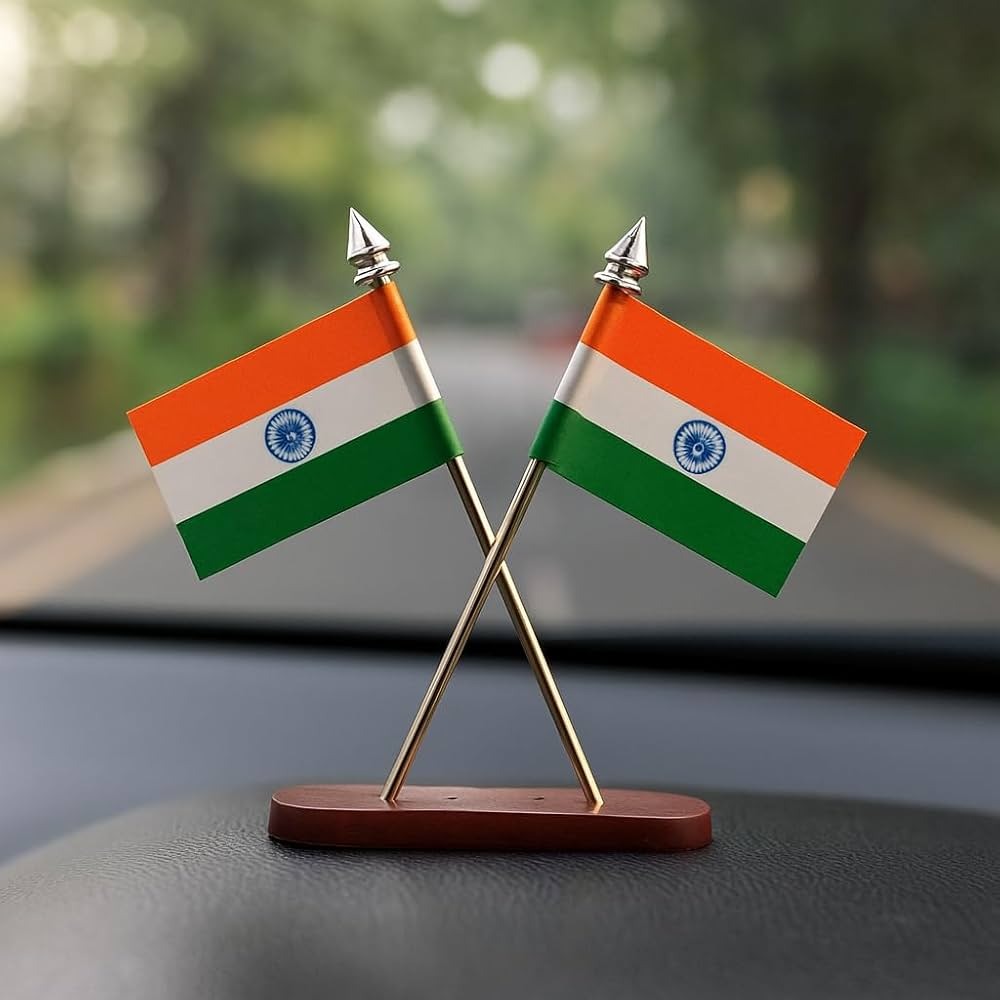
As Independence Day gets closer, patriotism is at its peak all over the country, especially on the day before August 15. To honour the sacrifice, tenacity, and unwavering spirit of those who gave their lives for independence, streets are decorated with flags, houses reverberate with patriotic songs, and hearts beat in rhythm with the spirit of unfettered liberty.
The exuberance of patriotism is at its peak as people scurry to buy small plastic flags that start appearing next to fuel pumps and traffic lights as an act of showing their love for the nation, only to throw them away the very next day as the zeal fades. The roadways, trash cans, and public areas are strewn with plastic flags that were once proudly displayed. The flags that had been positioned as eye-catching displays the day before to get the most likes on social media are scattered on the floors, ripped and damaged, without a second thought.
It’s a cliché, but it’s a fact that demonstrating patriotism doesn’t mean proudly waving the flag only for a day on windowpanes or car windshields, only to discard it the following day. Patriotism can be fostered through exemplary words as well as actions. Although it is a plastic flag, it symbolizes our national flag and ought to be respected.
To refresh your civics lesson from school, the Indian tricolour evolved into a living symbol of struggle and solidarity from its earliest iterations in the Calcutta Flag of 1906 and Madam Cama’s flag of 1907 to Pingali Venkayya’s design in 1921. The spinning wheel represented independence, and the 1931 tricolour gave saffron, white, and green their timeless meanings – courage, peace, and prosperity. Eventually, on July 22, 1947, the Constituent Assembly approved the current flag, which has the Ashoka Chakra at its centre and stands for justice and perpetual progress. As a result, the Tiranga’s journey is about far more than simply changing patterns; it’s about a nation’s spirit discovering its identity, which is proudly embedded into every house and heart.
To bring flag hoisting closer to each citizen, the Har Ghar Tiranga campaign, which was initially launched in 2022 as part of the Azadi Ka Amrit Mahotsav programme, encouraged citizens to hoist the national flag at their homes as proud residents of India. This year, its fifth edition began on August 9, 2026, and goes until August 17, 2026, which is the 150th anniversary of Vande Mataram, allowing every Indian to proudly show their patriotism by putting up the Tiranga on their balconies or terraces for a longer period.
At home, the national flag, our cherished Tiranga, must always be flown with honour and dignity. To keep the saffron at the top when horizontal or to the left when vertical, it can be raised on the rooftop or set on the balcony. The flag can proudly welcome visitors at the main door if installed at the proper height, and it can be flown freely and unhindered on a tall pole in the garden or courtyard. If there is no place, then it can be prominently and respectfully hung on a wall indoors. The flag cannot be used as apparel or decoration, nor should it touch the ground or water. It must be properly illuminated if it is to be displayed at night. In urban settings where apartments are small and have less open space, windows can be used to display your flag respectfully.
The flag needs to be carefully folded and kept in place after proper use. Citizens are encouraged to use cloth flags rather than plastic ones to honour the country and the environment.
Every year, sales of tiny plastic flags rise during Independence Day celebrations, which also indirectly encourages child labour because most of the vendors are young children who are used as a lure to draw in more customers. They may seem festive and inexpensive, but there are serious disadvantages to using them.
Plastic flags are often thrown away after Independence Day, but because plastic does not naturally decompose easily, the discarded flags can remain in the soil or water for many years, causing pollution and harming the environment.
The national flag is also disrespected by careless disposal, as many flags wind up floating in sewers, mixed with trash, or trampled on highways. Plastic flags, in contrast to cloth flags, cannot be disposed of with dignity, which goes against the spirit of the Indian Flag Code.
Additionally, their extensive production damages ecosystems and wildlife by adding to plastic waste. What starts off as a patriotic gesture frequently turns into a careless act, turning the Tiranga from a beloved symbol of sacrifice and solidarity into a discarded symbol. Selecting eco-friendly fabric flags assures us that our festivities will continue to be respectful of the country and the environment while protecting the Tiranga’s dignity for future generations, thus setting good standards.
Since patriotism is deeply embedded in our culture, it is not necessary to observe it on a particular day.
The government should ideally penalise those who make plastic flags severely, but with so many crucial matters that require attention, it is difficult to track them. As patriotic citizens, let’s respect our country and the planet we live on by committing to and encouraging others to reject Plastic Patriotism this Independence Day.
(The author is a development sector professional. Views expressed are personal.)