















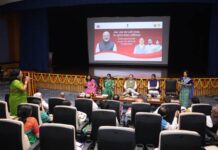

Central University of Odisha strengthens its research ecosystem with new scholarly books and academic journals on economics, Sanskrit, Odia literature, biodiversity, and sustainability
OdishaPlus Bureau
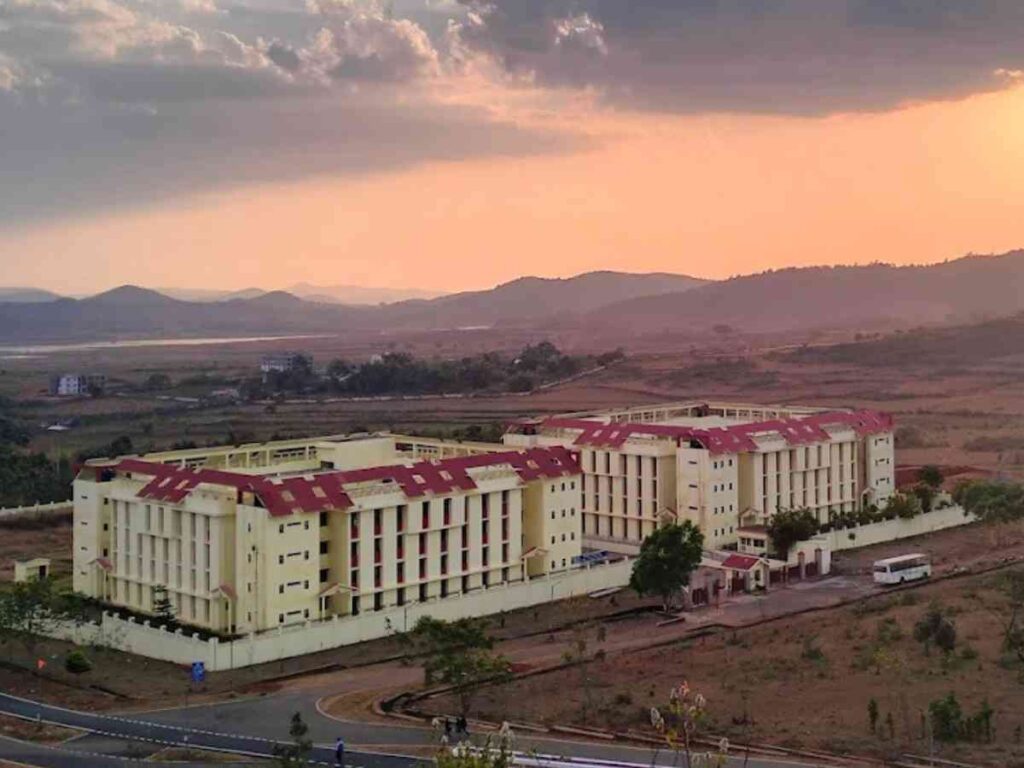
The Central University of Odisha (CUO) has witnessed a remarkable surge in academic publishing activity, with multiple departments and faculty members contributing a series of research-based books and scholarly journals, marking a significant stride in its pursuit of academic excellence and knowledge dissemination.
As the university approaches the end of its academic session, CUO has unveiled a diverse collection of publications spanning economics, Sanskrit studies, Odia literature, biodiversity, and forestry—each reflecting the institution’s growing emphasis on interdisciplinary research and societal relevance.
A major highlight of the recent releases is the e-book titled “An Introduction to Socio-Economic & Cultural Aspects of Millets for Vision Viksit Bharat @ 2047”, published by the Department of Economics. Authored by Minati Sahoo of the Department of Economics and Sourav Gupta of the Department of Journalism & Mass Communication, the work is rooted in an ICSSR Special Call Research Project on Viksit Bharat @ 2047. The publication offers a comprehensive socio-economic and cultural analysis of millets, positioning them within India’s long-term developmental vision.
In the realm of language and heritage studies, the Department of Sanskrit has released “Amrtavidya (Amritvidya)”, a curated collection of research papers from an international seminar on “Prachin Bharatiya Sahitya Me Vigyan aur Pradhyogiki”. The volume, edited by Prof N. C. Panda, Dean of the School of Languages and Head of the Sanskrit Department, alongside Debasish Karmakar, Nabin Kumar Pradhan, and Dr Sanjib Sarkar, brings together scholarly contributions from eminent academicians including Prof Krishnamohan Pandeya, Prof Kishore Chandra Padhi, and Prof Subhas Chandra Das.
Adding to the literary scholarship, the Department of Odia has published “Kabi Vidyutprabha Debinka Kabita: Nabamulyayan”, a critical anthology of papers presented during a national seminar commemorating the centenary of the poet Vidyutprabha Devi. Edited by Pradosh Kumar Swain, the volume also includes contributions from Alok Baral, Ganesh Prasad Sahoo, and Raghunath Ojha, reflecting a collective academic engagement with Odia literary heritage.
The university’s focus on sustainability and ecological research is reflected in “Biodiversity & Agriculture for a Sustainable Future”, edited by Debabrata Panda, Prof S. K. Palita (Retd), and Kakoli Banerjee from the Department of Biodiversity & Conservation of Natural Resources. The Department of Forestry has also contributed significantly with “Oyster Mushroom Cultivation: A Sustainable Agro Forestry Opportunity for Koraput Highlands”, edited by Subhasmita Parida, Ramendra Parhi, and Jyotiraditya Das, emphasizing sustainable livelihood opportunities for the region.
Alongside these books, CUO has also launched two academic journals—Aranya Pragyan, published by the Department of Sanskrit, and Shabari, published by the Department of Odia. Aranya Pragyan, edited by Prof N. C. Panda with Debasish Karmakar as Working Editor, features contributions from leading scholars of Sanskrit and Indology, including Prof Arun Ranjan Mishra and Prof Braja Sundar Mishra. Meanwhile, Shabari, edited by Pradosh Kumar Swain, showcases scholarly works from notable academics such as Prof Santosh Tripathi, Prof Babruvahan Mohapatra, Prof Debashish Patra, Rudranarayan Mohapatra, Nalini Kumar Pani, and Indramani Sahu.
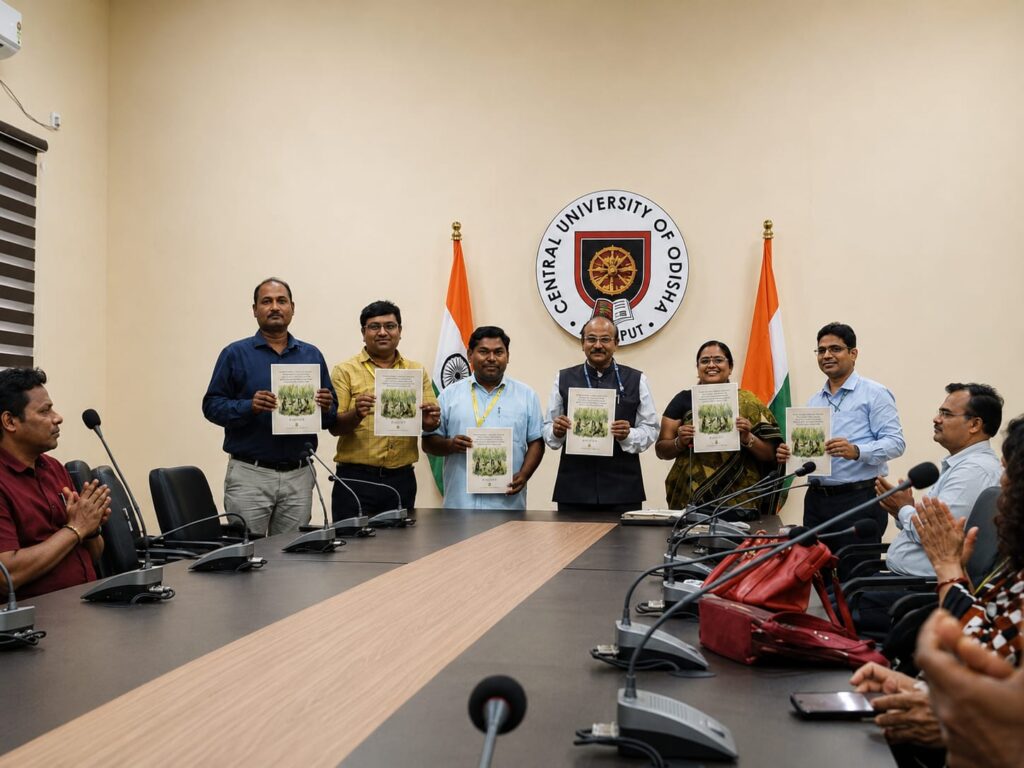
Speaking at the book and journal release ceremony, Vice Chancellor Prof N. C. Panda lauded the collective efforts of faculty members and departments, emphasizing that sustained publication output is a vital indicator of academic excellence and institutional growth. He encouraged continued scholarly productivity and indicated that several more publications are in the pipeline for the upcoming academic session.
With this robust publishing initiative, the Central University of Odisha is steadily reinforcing its position as a growing hub of research, cultural scholarship, and academic innovation in Eastern India.