



















Odisha has reduced hydroelectric power generation due to El Nino-induced rainfall concerns, prioritising water conservation for drinking, irrigation and ecological needs
OdishaPlus Bureau

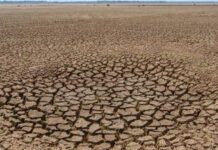
In light of increasing worries regarding significantly deficient rainfall attributed to the El Nino phenomenon this year, Odisha has markedly reduced hydroelectric power generation to conserve water for drinking and agricultural purposes.
Although the state possesses an installed hydropower capacity of 2,099.5 MW, the Odisha Hydro Power Corporation (OHPC) has been managing the reservoirs with caution, producing merely about 25 percent of its installed capacity. The average hydro generation over the past week has fluctuated between 500-520 MW, with a decline to 341.58 MW on June 23 from 365.25 MW the previous day.
According to sources within OHPC, this is a strategic choice to prioritize water conservation rather than maximizing electricity output. While the state has the potential to generate approximately 1,500 MW, the average production has been kept between 350 MW and 550 MW to safeguard reservoir levels for drinking water, irrigation, and downstream ecological needs.

“Failures in hydrology, shifts in climate patterns, and siltation in reservoirs have diminished reliable inflows into key reservoirs. This situation has led OHPC to request formal adjustments to its design energy standards from the Water Resources department,” stated a senior engineer at OHPC.
The pressure is particularly evident at the Hirakud reservoir, where the water level is recorded at 600.85 feet, compared to a full reservoir level (FRL) of 630 feet and a minimum drawdown level (MDDL) of 590 feet. The live storage currently constitutes only 16.07 percent of the available capacity and is on a downward trend. Nevertheless, water availability in other significant reservoirs, such as Balimela, Upper Indravati, and Machkund, remains generally consistent with levels observed during the same timeframe in previous years.
In order to protect essential reserves, OHPC has significantly curtailed generation at the Burla (Hirakud) and Rengali hydropower stations, producing only the necessary output to ensure grid stability while preventing excessive depletion of reservoir storage. As reported by the State Load Despatch Centre (SLDC), the average electricity demand in Odisha is approximately 6,000 MW, with peak demand reaching 6,900 MW. The instantaneous peak demand peaked at 6,931 MW at 6:28 am on June 27, while the morning peak on June 28 was recorded at 5,598 MW.
The state’s own electricity generation from thermal plants, hydropower, independent power producers, captive generating facilities, and renewable energy sources averages approximately 4,000 MW. The remaining demand is fulfilled through Odisha’s share from central generating stations, along with nearly 200 MW obtained through power banking agreements, according to an SLDC official.
A senior representative from GRIDCO, the state’s bulk power trading entity, stated that the power supply in the state remains stable despite a decrease in hydro generation. He noted that coal-fired thermal power stations constitute nearly 90 percent of the state’s total installed capacity.