























Explore ‘A Child of Grace’ by Madhusudan Mishra. A heartfelt memoir of rural Odisha that celebrates traditional values, community spirit, and cultural heritage
Bhaskar Parichha
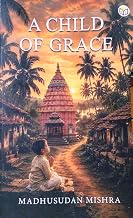
Book Name: A CHILD OF GRACE
Author: Madhusudan Mishra
In a time when urbanization and technology often overshadow traditional lifestyles, A Child of Grace by Madhusudan Mishra serves as a touching reminder of India’s lasting rural culture. This book is more than just an autobiography or a coming-of-age story; it honors the values, customs, and community spirit that have influenced generations in rural Odisha. Through the life of the main character, Mohan, Mishra brings to life a world where simplicity, discipline, faith, and human connections shape daily life.
Set in the village of Haripur, the story vividly illustrates a community that is deeply connected to its cultural and spiritual roots. The village itself is not just a setting; it feels alive, filled with festivals, farming cycles, temple ceremonies, and shared joy. Mishra’s writing is so descriptive that readers can almost hear the deep beats of the mridanga, see the flickering oil lamps during celebrations, and feel the warmth of village life together. These moments add both emotional richness and cultural insight to the book.
At the core of the narrative is Mohan’s upbringing, guided by parents who exemplify humility, integrity, devotion, and generosity. Without being preachy, the author shows how family is the first place where character is built. Mohan’s growth is influenced by these values, making his journey both relatable and motivating. His education is depicted not just as a way to achieve success but as a means to develop responsibility, discipline, and social awareness. His involvement in the Bharat Scouts movement further highlights the significance of well-rounded personal growth.
Essentially, the book celebrates community life. Whether it’s bringing electricity to the village, working together during emergencies, or engaging in farming activities, the villagers show a strong sense of cooperation and shared responsibility. These moments highlight a key message: the power of society comes from working together, not just from individual success. In a world that feels more divided, these reminders are both relevant and important.
Another major theme in the story is spirituality. Mishra portrays faith not just as the observance of rituals but as a vital part of everyday life. The village’s gods, temple customs, and a deep trust in divine help blend seamlessly with the daily struggles of people, showing a perspective where the material and spiritual aspects of life are closely connected. This subtle spirituality adds a layer of authenticity and emotional depth to the story.
The author’s writing style is straightforward, clear, and engaging, making the book easy for readers of all ages to enjoy. Instead of relying on shocking plot twists, Mishra lets ordinary experiences uncover deep insights about life, relationships, and identity. This simple storytelling is one of the book’s greatest strengths.
The book also acts as a crucial record of a quickly fading rural culture. It captures memories, traditions, and social customs that modernization often overlooks. For younger readers, it provides a meaningful introduction to the values that once held village communities together. For older readers, it brings back memories of a lifestyle characterized by harmony, resilience, and a sense of shared purpose.
A Child of Grace is a warm, thoughtful, and culturally vibrant piece that greatly adds to modern literature about rural India. Madhusudan Mishra has created a work that is not only personal but also resonates with everyone, showing us that we can move forward without losing our memories, traditions, and humanity.
(The author is a senior journalist and columnist. Views expressed are personal.)

My heartfelt gratitude to Shri Bhaskar Parichha for his thoughtful and generous review of A Child of Grace. I am deeply humbled that the book’s celebration of rural Odisha, its timeless values, and its enduring human spirit has resonated so meaningfully with you and the readers of OdishaPlus.