











Discover the remarkable journey of Banshidhar Mishra, an Odisha freedom fighter who went underground, became Surat Ali, and worked with Indian labor networks in London
Bhaskar Parichha
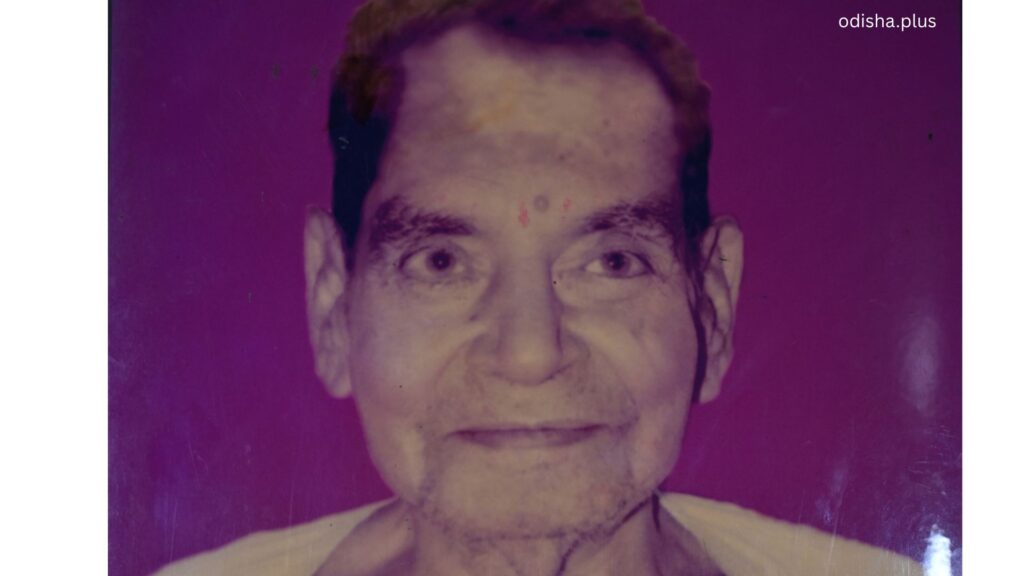
Banshidhar Mishra is not a familiar name in Odisha. Nor is the name by which he was known for much of his life—Surat Ali. Yet his life took him from the nationalist movement in Odisha to the Indian workers’ movement in London and brought him into contact with people involved in the wider struggle against British rule.
Mishra was born in 1905 at Khandasahi in the Cuttack region. As a young man, he became involved in the nationalist movement. He worked with Rajakrishna Bose to organise youth groups and was associated with Yubak, a publication carrying nationalist ideas.
The British authorities began to watch him. When a warrant was issued for his arrest, he went underground and eventually left India for Burma. It was during this period that he began using the name Surat Ali.
He later went to Britain and settled in London. There, he became involved with Indian seamen, many of whom worked on British ships in difficult conditions. Ali worked for their rights and was associated with the Colonial Seamen’s Association. He was also connected with Indian workers’ organisations and the wider labour movement in Britain.
His work brought him into the network of Indian political activists in London. British authorities monitored several of these groups because of their opposition to colonial rule.
There is also a connection with Udham Singh. Records indicate that Udham Singh was associated with Surat Ali and stayed with him in London. After Singh’s arrest in 1940 for the killing of Michael O’Dwyer, British authorities searched premises connected with Ali. There is no evidence from these records to establish that Ali was involved in the killing. But the association places him within the Indian political circles in London at the time.
Ali remained in Britain for many years. He worked among Indian seamen and continued his political and trade-union activities.
He returned to India in 1952. By then, India had been independent for five years. Despite his long involvement in the freedom movement and his political contacts abroad, he did not pursue a prominent political career. He returned to Odisha and became a teacher. He later founded a primary school in his village. He died in 1988.
There is little doubt that Surat Ali’s life deserves a closer look. His story is also a reminder that Odisha’s participation in the freedom movement extended beyond the province. Some of its young activists travelled abroad, worked with Indian communities, and became part of the political movements that challenged British rule. Ali was one of them.
What makes his story unusual is not only where he went but also what he did after returning. A man who had spent years in political activity in India and Britain chose to spend his later years teaching in his village.
His name may have disappeared from public memory, but his life remains part of Odisha’s history. It is time that story was better known.
(The author is a senior journalist and columnist. Views expressed are personal.)