






















A CRY assessment reveals that seven in 10 children missed school due to extreme heat, highlighting the impact of climate change on education and health
OdishaPlus Bureau
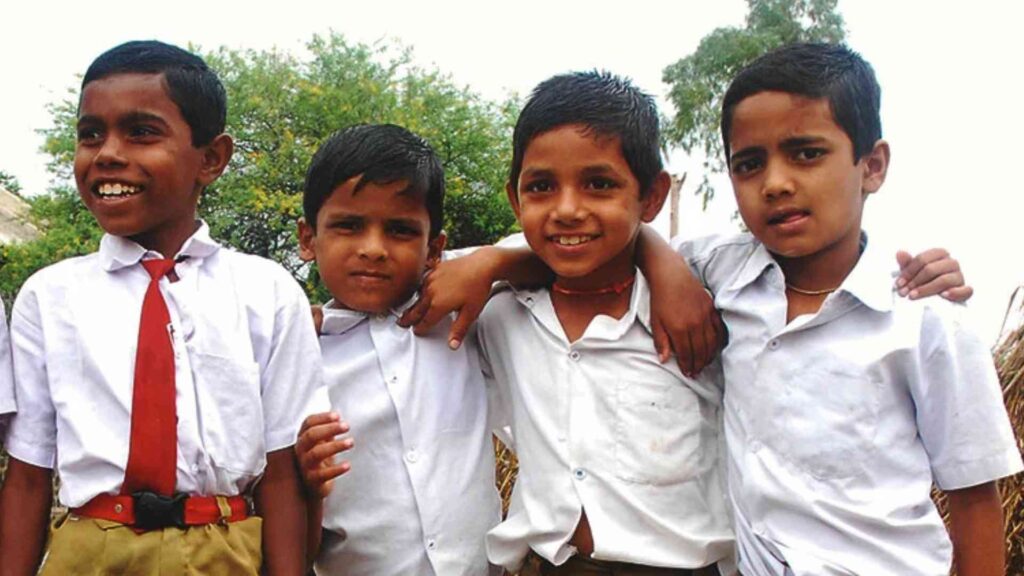
Extreme heat is increasingly disrupting children’s education, health and family life across India, with nearly seven in 10 school-going children reporting that they missed school or routine activities because of heat-related distress, according to a rapid assessment conducted by child rights organisation CRY – Child Rights and You.
The assessment, titled ‘Feeling the Heat: Children’s Voices on Heat, Well-Being and Learning in India’, surveyed 3,096 children aged 10 to 17 years across 27 states and Union Territories during May and June 2026. The findings suggest that rising temperatures are affecting not only children’s physical well-being but also their ability to learn and participate in daily activities.
According to the survey, 88 per cent of respondents felt the summer of 2026 was hotter than previous years. Nearly 68 per cent said they had missed school or routine activities due to heat-related discomfort, while 76 per cent reported difficulty concentrating on their studies because of the heat.
The survey found that afternoons were particularly challenging, with 47 per cent of children identifying them as the most difficult part of the day. Around 45 per cent said school hours were especially uncomfortable, highlighting the challenges of attending classes during prolonged periods of high temperatures.
The health impacts reported by children were significant. Nearly 63 per cent experienced dehydration, 51 per cent suffered headaches and 44 per cent reported extreme fatigue during periods of intense heat. More than half of the respondents also said frequent power cuts or overheated homes affected their daily lives, while nearly three in 10 experienced water shortages.
The assessment indicates that children from economically vulnerable households are bearing a disproportionate share of the burden. About 71 per cent of children from families dependent on daily-wage or manual labour reported severe heat-related distress, compared with 46 per cent of children from other households. The findings suggest that limited access to cooling, stable electricity and adequate living conditions increases children’s exposure to heat-related risks.
Children also described how extreme heat was affecting their families. Nearly 59 per cent said rising temperatures had made work more difficult for their parents, while 58 per cent noticed changes in their parents’ mood or behaviour. Another 43 per cent reported increased stress or irritability at home, indicating that the effects of extreme heat extend beyond schools and into household livelihoods and family well-being.
Several respondents shared personal experiences of coping with the heat. A 17-year-old student from Jharkhand described struggling to concentrate in a hot classroom and becoming tired and thirsty during lessons. An 11-year-old girl from Delhi recounted staying home to care for her father after he fell ill because of the heat and was unable to work, leaving the family unable to buy basic food items that day.
Commenting on the findings, Puja Marwaha, CEO, CRY, said that, “This assessment places children’s voices at the centre of the climate conversation, highlighting how extreme heat is affecting their learning, health and overall well-being. It also shows children are acutely aware of the pressures on their families and the practical changes needed to stay safe. These insights should help shape stronger Heat Action Plans and climate adaptation strategies.”
The assessment also documented children’s suggestions for coping with rising temperatures. Many called for earlier school timings during heatwaves, access to safe drinking water, functioning fans in classrooms, more shaded public spaces and greater understanding from teachers when extreme heat affects their ability to focus.
During the summer of 2026, several states recorded temperatures above 45°C, prompting schools in many areas to alter schedules, suspend outdoor activities or temporarily close. According to the India Meteorological Department’s Annual Climate Statement 2025, 2024 was India’s warmest year since records began in 1901, while the decade from 2016 to 2025 was the warmest on record.