


















Explore student suicides & mental health in India, Manorama’s 100th birth anniversary, and Janmashtami 2025 celebrations with cultural reflections
Mrinal Chatterjee

Students’ Suicide
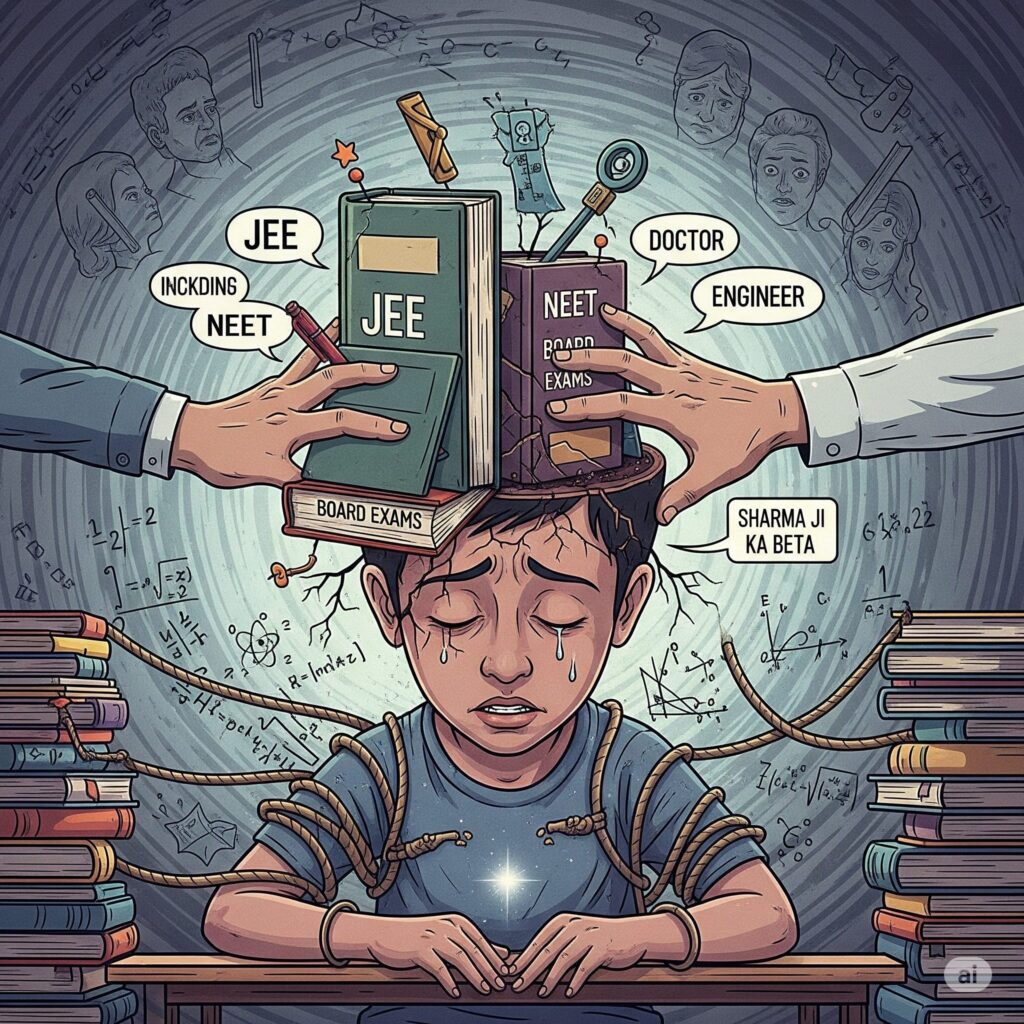
India’s education system, long hailed for its rigour, is increasingly under scrutiny for the psychological toll it takes on its students. With relentless competition, high parental expectations, and institutional indifference, mental health has become a silent casualty in the pursuit of academic excellence.
Consider this: according to the National Crime Records Bureau, over 13,000 students died by suicide in 2022 alone—a grim statistic that reflects systemic failure more than individual despair. As the race to outperform intensifies, support systems remain woefully inadequate, especially in coaching centres and higher education institutions.
Parents, please note- excessive pressure on children to excel academically can be counter-productive. Please allow children to engage with education at their own pace, and chose their career which they want.
Manorama@100
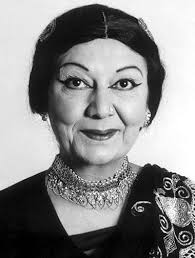
Remember MANORAMA, the ‘expression queen’ of Hindi film industry, celebrated for her portrayal of the comical tyrant aunt in “Seeta Aur Geeta (1972) “and her notable roles in films like “Johar Mehmood in Hong Kong,” “Mere Huzoor,” “Ek Phool Do Maali,” “Do Kaliyaan,” and many more.
Her birth centenary began on 16 August last.
She was born Erin Isaac Daniels on 16 August 1926 in Lahore, Punjab, British India. She had an Irish mother and an Indian Christian father who was a professor of engineering. She started her acting career as a child artist in the early 30s under the name Baby Iris. Director Roop K. Shorey, who saw her talent in a school concert, was the one who changed her screen name from Iris to “Manorama.”
Manorama was a trained classical singer and dancer; she also performed in the Red Cross’s charity shows in Lahore in the 1940s. Her first adult role was in the movie Khazanchi (1941), where she played Hero S. D. Narang’s sister. Soon she became a popular and highly paid actress with hit films like Sehti Murad (1941), Mera Mahi (1941), Khandaan (1942) with Noor Jehan, Zamindar (1943), Koel (1944), Hamrahi (1945) directed by Bimal Roy, Rehana (1946), Shalimar (1947), and Lacchi (1949).
After the partition of India in 1947, she moved to Mumbai with her husband, Rajan Haksar, also an actor and producer. After her marriage, the offer of roles as a lead declined so she had to accept character roles. In 1948, she was praised for playing Dilip Kumar’s sister in “Ghar ki Izzat.”
Manorama experimented with villainous and comedy roles and got great acclaim for her caricatures, voice modulations, and expressions. She was known for her versatility, comic timing, and expressive face. Her exaggerated expressions become so iconic that people say, “She is the original emoji inspiration.”
She worked with many prominent actors and directors of Hindi cinema, such as Dilip Kumar, Kishore Kumar, Madhubala, Guru Dutt, Raj Kapoor, Dev Anand, Meena Kumari, Rajesh Khanna, Hema Malini, and Amitabh Bachchan.
Some of her memorable films include Parineeta (1953), Jhanak Jhanak Payal Baaje (1955), Half Ticket (1962), Mujhe Jeene Do (1963), Janwar (1965), Dus Lakh (1966), Ek Phool Do Maali (1969), Do Kaliyaan (1968), Bombay to Goa (1971), Mehboob Ki Mehndi (1971), Caravan (1971), Bombay To Goa (1972), Seeta Aur Geeta (1972) and Lawaris (1981).
In the early 80s, after doing Akbar Khan’s Haadsa (1983), she took a break from films and did very few roles in the 80s and 90s. Later, she came back to TV and did a few serials like Kkutumb, Kundali, and Kahani Ghar Ghar Ki.
Her final film was Deepa Mehta’s “Water” (2005), a film where she captivated Hollywood critics with her compelling performance.
Manorama passed away on 15 February 2008 in Mumbai due to multiple organ failure. She was 81 years old. She left behind a legacy of laughter and joy for millions of her fans who adored her.
Janmastami
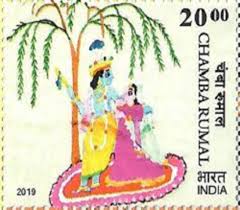
Krishna Janmashtami, also known simply as Krishnashtami, Janmashtami, or Gokulashtami, is an annual Hindu festival that celebrates the birth of Krishna, the eighth avatar of Vishnu. In certain Hindu texts, such as the Gita Govinda, Krishna has been identified as supreme God and the source of all avatars. Krishna’s message in the Gita reminds us – we are born for a purpose, find it and live it with love.
This year Janmashtami was celebrated on 16 August.
Of late, there has been a trend of dressing up kids as ‘Bal Krishna’ with crowns and bead-garlands and matching dhoti Kurta. I do not know who enjoy the show more- the kids or their parents!
Tailpiece
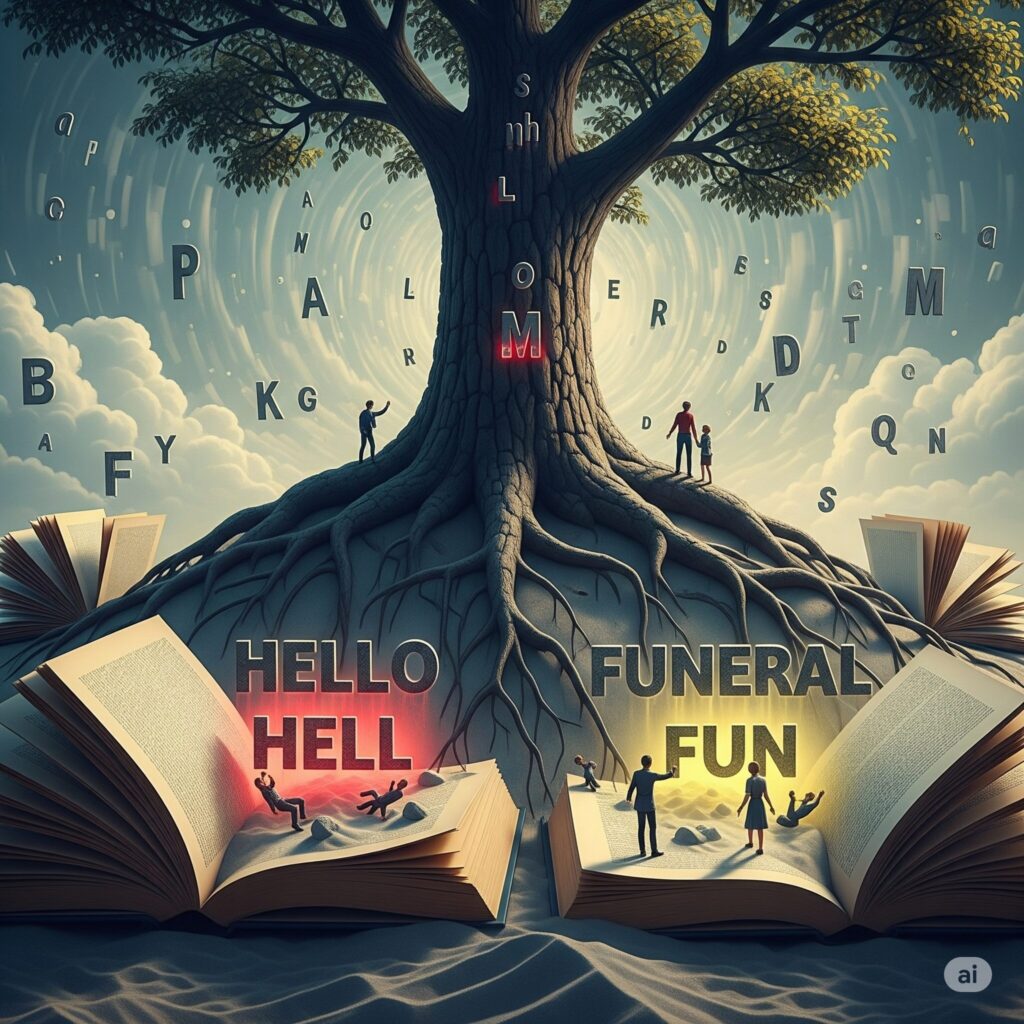
There’s “hell” in hello,
“good” in goodbye,
“lie”in believe,
“over” in lover,
“end” in friend,
“ex” in next, “if” in life,
and fun in funeral
(Courtesy: Social Media)
(The author is Professor at Indian Institute of Mass Communication, IIMC Dhenkanal. Views expressed are personal.)