









Mrinal Chatterjee’s Window Seat covers Coping with Cancer, 100 years of Pather Dabi, journalist Sankarshan Thakur, samosa history & dark humour
Mrinal Chatterjee

Coping with Cancer
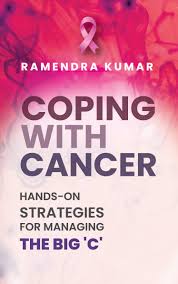
My friend Ramendra Kumar, who served as the Head of Corporate Communication at Rourkela Steel Plant, is a cancer survivor. After his long battle with cancer, he survived and wrote a book titled ‘Coping with Cancer’.
A cancer diagnosis can seem like the death knell for most. Patients and their caregivers experience confusion, anxiety, uncertainty, distress and morbid fear. What are the strategies they can use to cope with their feelings and emotions and navigate through the chaos caused by cancer? ‘Coping With Cancer’ is a research-based book which provides practical insights to manage the Big ‘C’. Each concept carries an introductory note, supplemented by real life case studies, almost all of which are based on Indian examples. Every strategy is easy to internalise and practise. The thread running through the narrative is the writer’s personal experience of battling cancer in its most dreaded avatar and emerging victorious. This is a must-have handbook which explores different mechanisms, beyond medical paradigms, to battle the ’emperor of all maladies’.
Sidhartha Mukherjee, a physician and practising oncologist wrote ‘The Emperor of all Maladies’, which won multiple awards including the Pulitzer Prize in 2011 , which is considered as the biography of cancer.
If you want to know about the ’emperor of all maladies’ read Mukherjee’s book; if you want to know how to cope with it- read Ramendra Kumar’s book.
100 years of ‘Pather Dabi’
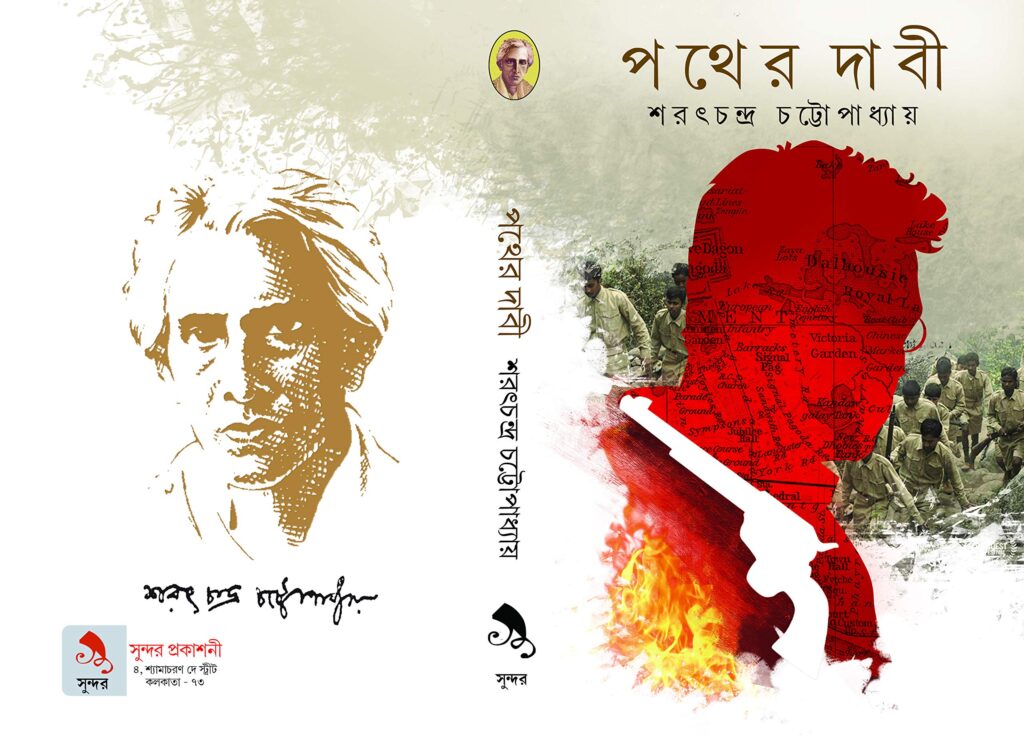
Pather Dabi (The Right of Way) is a Bengali novel written by Sarat Chandra Chattopadhyay (15.9.1876-16.1.1938), who is known for his novels like Srikanta, Devdas, Parinita, Pallisamaj, and Charitrahin. Many of his novels and stories have been made into films in several languages.
Pather Dabi was first published as a novel in August 1926, after having been initially serialized in the journal Bangabani.
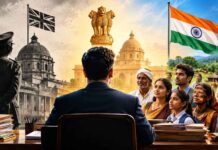
In the novel, ‘Pather Dabi’ is a secret revolutionary society of the same name dedicated to freeing India from British rule. Set in Burma, the story features Sabyasachi, a charismatic, larger-than-life leader with incredible skills, who inspires revolutionary zeal against colonial oppression.
The novel was banned during British rule for its anti-British tone.
It has been translated into English (titled ‘The Right of the Way’ by Prasenjit Mukherjee, Penguin, 1993) and several other languages.
A Bengali film titled Sabyasachi (1977), directed by Pijush Basu and starring Uttam Kumar, was based on this novel.
Sankarshan Thakur
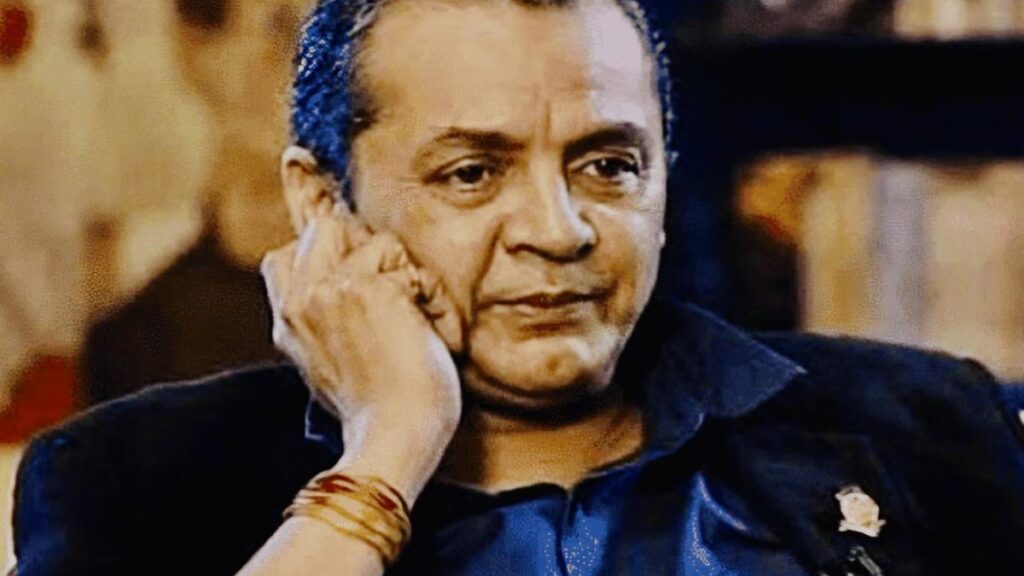
Sankarshan Thakur, Editor of Telegraph, passed away on September 8, 2025. He lost his battle with lung Cancer. He was 63.
He was known for his extensive ground reporting on major events, including the Kargil War, the Kashmir conflict, and Bihar’s complex political landscape and literary writing style. He began his career as a journalist in 1984 with ‘Sunday’ magazine, carved a niche in political journalism with depth and flair and went on to become the editor of The Telegraph, well-known English daily from the same publishing house. He also worked for Tehelka and Indian Express.
He received the Prem Bhatia Award for Excellence in Political Journalism in 2001.
He wrote several books including ‘Subaltern Saheb’, a political biography of Lalu Prasad Yadav and ‘The Brothers Bihari’, a political diptych on Lalu and Nitish Kumar.
Samosa
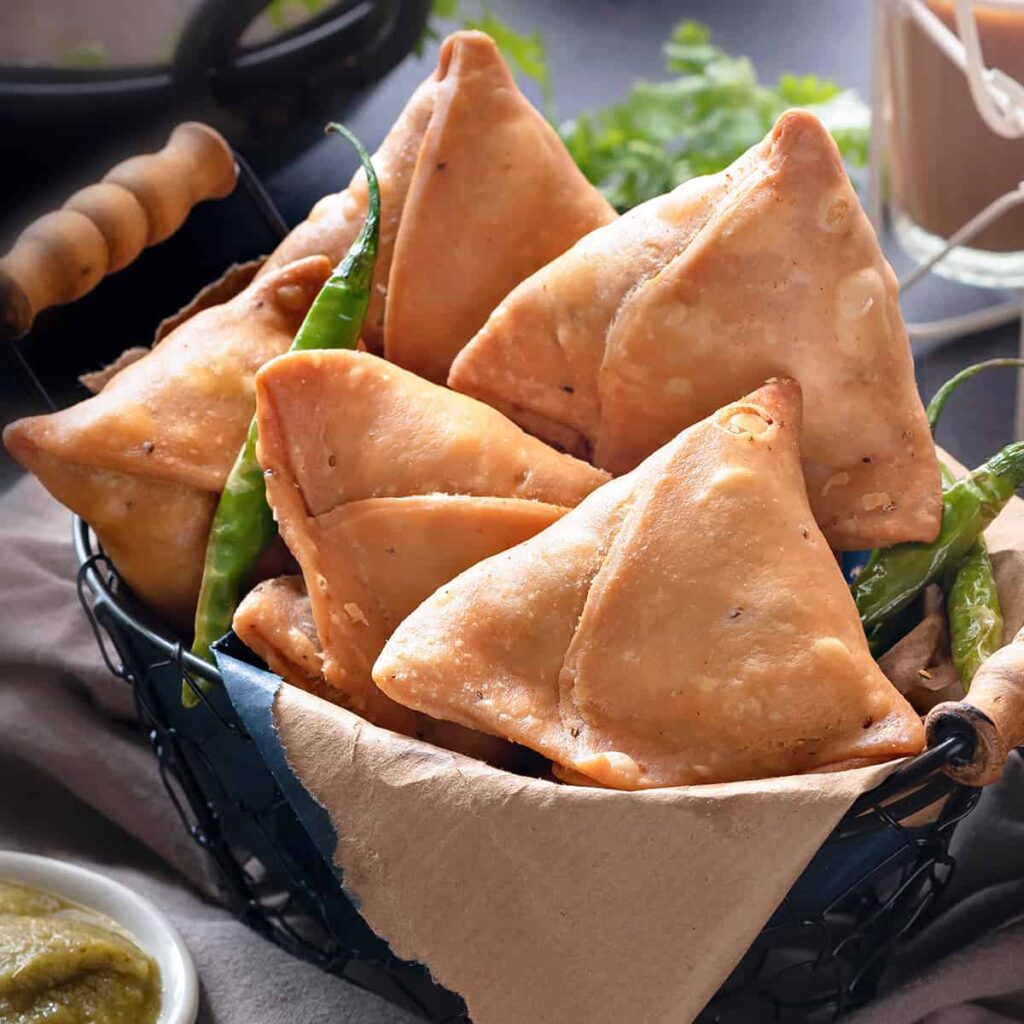
Samosa or Singada is a popular snack across India. Known for its distinctive triangular shape, and taste, depending on the filling- it has a long history.
The origin of samosa can be traced to the 10th century in the Middle East region. The fillings used to be meat. It came to India with the invaders, who ultimately settled down in India.
Why is it known as samosa in some places and singada in others? Singada is a regional name for samosa in eastern parts of India and Nepal, such as West Bengal, Bihar, and Odisha, and is derived from the local word “Shingara” or “Singhara”. The snack is called singada as its triangular shape resembles the water caltrop, a local fruit also known as shingara; in Odia it is called ‘Pani (water) Shingada. The term “samosa” is the more widely known name that evolved from the Persian word “sanbosag” and is used in other regions where the snack travelled.
Non-vegetarian Samosa is an Indian creation. After potato was introduced to India by Portuguese sailors in the early 17th century and became popular by the late 18th or early 19th century, ‘alu’ was used as filling of samosa (singada). Gradually more variations of fillings were tried, tasted and adopted including noodles.
Just for additional information- 5th September is celebrated as World Samosa or Singada Day.
Tailpiece: Dark Humour

A study from the Medical University of Vienna found that people who enjoy dark humour often have higher IQs and greater emotional stability. Understanding dark jokes requires strong cognitive skills and balanced emotions. So, laughing at dark humour might actually reveal more about your brain and personality than you think.
(The author is Professor at Indian Institute of Mass Communication, IIMC Dhenkanal. Views expressed are personal.)