




















Explore digital colonialism in India, Bahadur Shah Zafar’s 250th birth anniversary, Kannauj’s perfume legacy, and the beauty of Indian winter
Mrinal Chatterjee

Digital Colonialism

By the time you read this column, Bihar assembly elections is over; and you know the results.
However, you must have noticed that the battle for votes is no longer fought in dusty maidans or through blaring loudspeakers. It’s unfolding instead on screens—on Facebook, Twitter, WhatsApp, and countless other digital spaces where millions of voters now spend their days scrolling, liking, and sharing.
Political campaigns have gone high-tech, using sophisticated data analytics to understand, predict, and influence voter behaviour. Every click, share, emoji, or comment adds to a growing ocean of personal data. Campaign strategists mine this data to craft hyper-targeted messages—ones that tug at the heart more than they appeal to reason.
But this digital revolution comes with a darker side. Algorithms designed to boost engagement don’t distinguish truth from falsehood; they favour whatever sparks outrage. As a result, misinformation travels faster than ever before, deepening divides and stoking tensions. In a state like Bihar—where caste, religion, and regional loyalties remain deeply woven into the political fabric—these online tactics risk turning social media into a weapon of polarisation.
There’s also a growing unease about who controls this new arena of democracy. Much of India’s digital infrastructure is in the hands of global tech giants, raising fears of “digital colonialism.” When the tools that shape public opinion—and potentially election outcomes—are governed by companies headquartered outside India, questions about sovereignty and fairness become unavoidable.
In the end, the question isn’t just who won the vote—but who controls the narrative in the digital age.
250 Years of Bahadur Shah Zafar
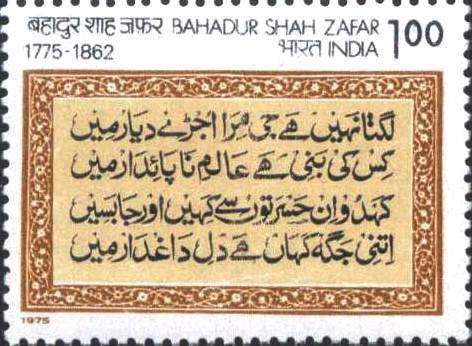
As Bihar went to polls, ‘Vande Mataram’ turned 150 and Delhi bore the brunt of pollution and a terror attack, the 250th birthday of Bahadur Shah Zafar, the last Mughal emperor went largely unnoticed.
Bahadur Shah Zafar (full name Abu Zafar Siraj-ud-din Muhammad Bahadur Shah II; 24 October 1775–7 November 1862) was the twentieth and final Mughal emperor, a noted Urdu poet, and a symbolic figure during the Indian Rebellion of 1857. A reluctant leader of the 1857 Revolt, he became a symbol of resistance against British rule. After the rebellion’s failure, he was exiled to Rangoon, where he died in 1862, ending the Mughal dynasty.
This postage stamp containing a couplet of his poem was released on the occasion of his 200th birthday.
It reads:
Lagta nehi hai ji mera ujde diar me
kis ki bani hai Alam -e- napayedar me
(“I don’t feel like I belong in this ruined place;
whose success has been achieved in this transient world?”)
Perfume Capital of India
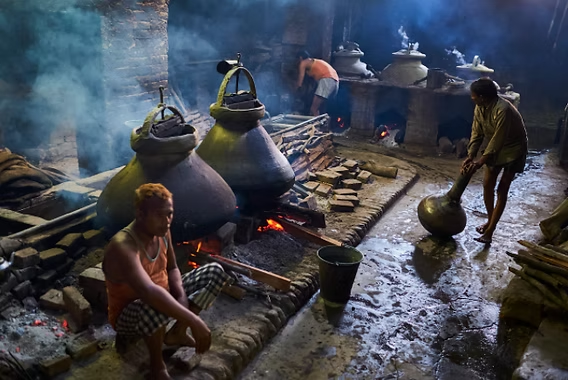
Kannauj, a historical city in Uttar Pradesh, about 90 kms from Kanpur is called the “Perfume Capital of India” due to its centuries-old tradition of making attar, an alcohol-free perfume using the ancient deg-bhapka (steam distillation) technique. The city is known for its artisanal perfumes, which are made from natural ingredients like roses and vetiver, and its industry has a history that flourished during the Mughal and traces its origin from Harshavardhan era, which lasted from 606 to 647 CE and even earlier.
Kannauj Attars got GI tag in 2022.
The city’s location on the fertile banks of the Ganga River is ideal for growing aromatic plants like roses, jasmine, and vetiver, which are the primary ingredients for its perfumes.
The city is a destination for those interested in fragrance, with its narrow lanes featuring numerous distilleries and shops selling attars and essential oils.
Winter
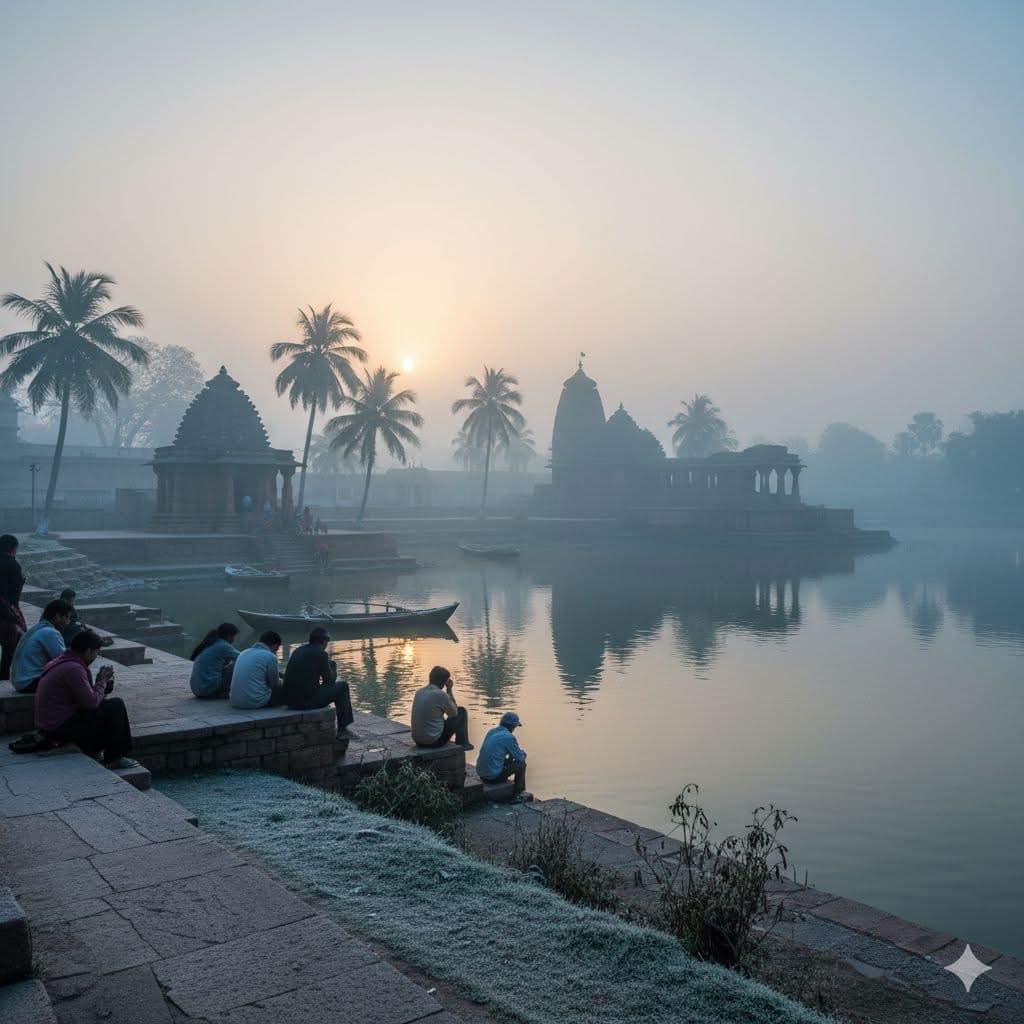
Winter in India, especially the part of the vast and varied country I live in arrives quietly, without the stark severity of a European country but with a gentler transformation of mood and landscape. From November to February, the air turns crisp, mornings grow misty, and the sun softens into a mellow warmth. The rhythm of life changes — people linger longer in the sun, tea and bonfires become companions, and woollens reappear with the nostalgia of memory.
Fog wraps the fields in mystery, and the aroma of roasted peanuts and jaggery fills the streets. Across India, the season brings both stillness and celebration: harvest festivals like Pongal and Makar Sankranti, weddings, and literary fairs turn the cold months into a time of warmth and community.
Yet winter also reminds us of fragility — the homeless seeking shelter, the elderly braving the cold. It is a season that teaches balance: between comfort and compassion, solitude and togetherness.
Indian winter, in its diverse moods, is not merely a climate; it is a state of reflection — a pause before spring, a reminder of the beauty of transience.
(The author is Professor at Indian Institute of Mass Communication, IIMC Dhenkanal. Views expressed are personal.)