







Bargarh Dhanuyatra transforms Odisha’s town into mythical Mathura, blending Krishna–Kansa lore, community theatre, culture, and living tradition
Rabindra Kumar Nayak
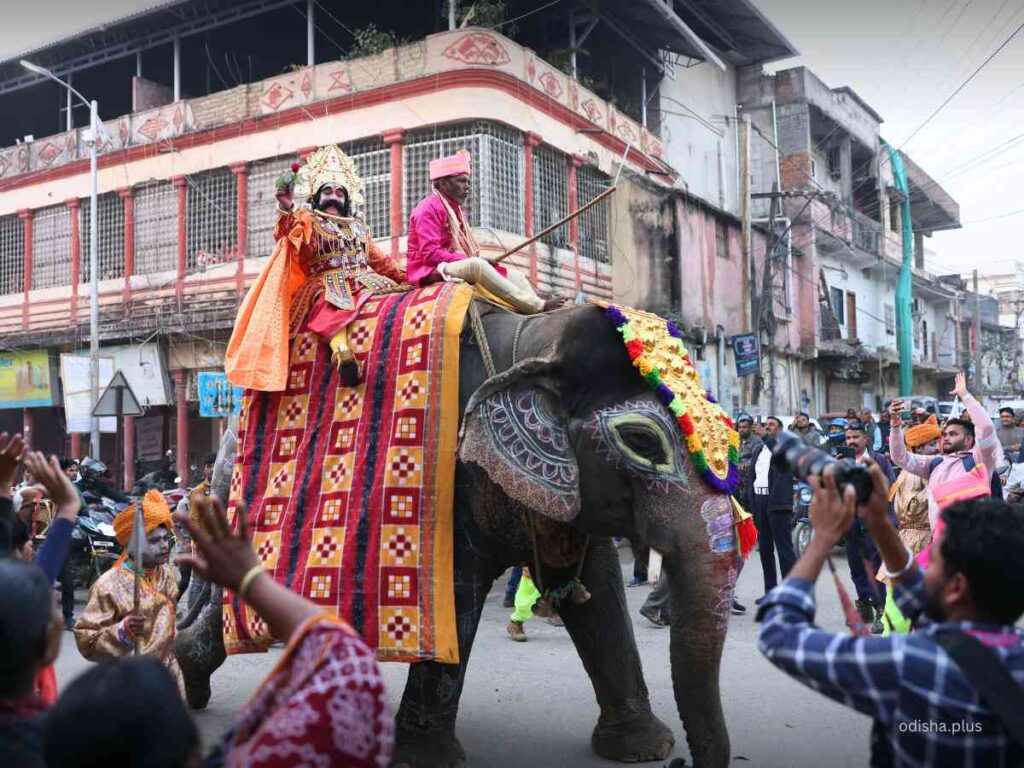
Every year, with the arrival of Paush Purnima, the town of Bargarh in western Odisha undergoes a remarkable transformation. A modest agrarian and market town is transfigured into the mythical city of Mathura—not on a confined stage, but across streets, lanes, riverbanks, bridges, and neighbouring villages. This metamorphosis marks the beginning of Dhanuyatra, the world’s largest open-air theatre, performed continuously for eleven days.
More than a festival, Dhanuyatra is a collective dramatic re-enactment of the Krishna–Kansa narrative rooted in Krishna Leela and culminating in the slaying of King Kansa. What distinguishes it from conventional theatrical traditions is its vast social reach and geographical sweep. The river Jeera becomes the Yamuna; the village of Ambapali transforms into Gopapura, Krishna’s pastoral abode; marketplaces and town squares turn into royal courts and dramatic sites. The entire region becomes the stage, and its people the performers.
The origins of Dhanuyatra lie in the early years of post-Independence India, around 1947–48. Conceived during a time of cultural self-assertion, the festival was not merely a sacred retelling of myth but a community’s collective expression of freedom and identity. Unlike theatre confined to prosceniums, Dhanuyatra disperses performance across lived spaces. Residents become actors, narrators, guides, and witnesses—participants in a shared cultural act rather than passive spectators.
In a nation rediscovering its indigenous voices after colonial rule, Dhanuyatra embodied myth as lived reality—rooted in local language, dialect, and performative tradition. Over the decades, while incorporating technology and wider outreach, the festival has retained its essential character as a people-driven cultural practice.
At the heart of Dhanuyatra lies its interactive theatrical form. There is no single stage and no rigid demarcation between actor and audience. Scenes unfold simultaneously across locations; performers move freely, and thousands follow them, becoming part of a continuous mythic journey. Town squares turn into Kansa’s durbar, riverbanks echo Krishna’s childhood exploits, and ordinary spaces acquire sacred resonance.
The festival also defies fixed scripting. While the narrative arc—from Kansa’s tyranny to Krishna’s triumph—remains intact, daily enactments are often extemporaneous, drawing on popular memory, local idiom, and spontaneous interaction. Performed largely in the Sambalpuri dialect, Dhanuyatra emerges not merely as theatre but as a manifestation of Odisha’s myth-ritual worldview, where storytelling, ritual, and everyday life merge seamlessly.
In an era of rapid modernisation and urbanisation, festivals like Dhanuyatra play a crucial role in sustaining local cultural identities. Participation cuts across age, caste, and class, fostering a sense of collective ownership over cultural heritage—something rare in commercialised, event-driven urban entertainment. The festival reinforces social cohesion by reminding the community of its shared narratives and lived traditions.
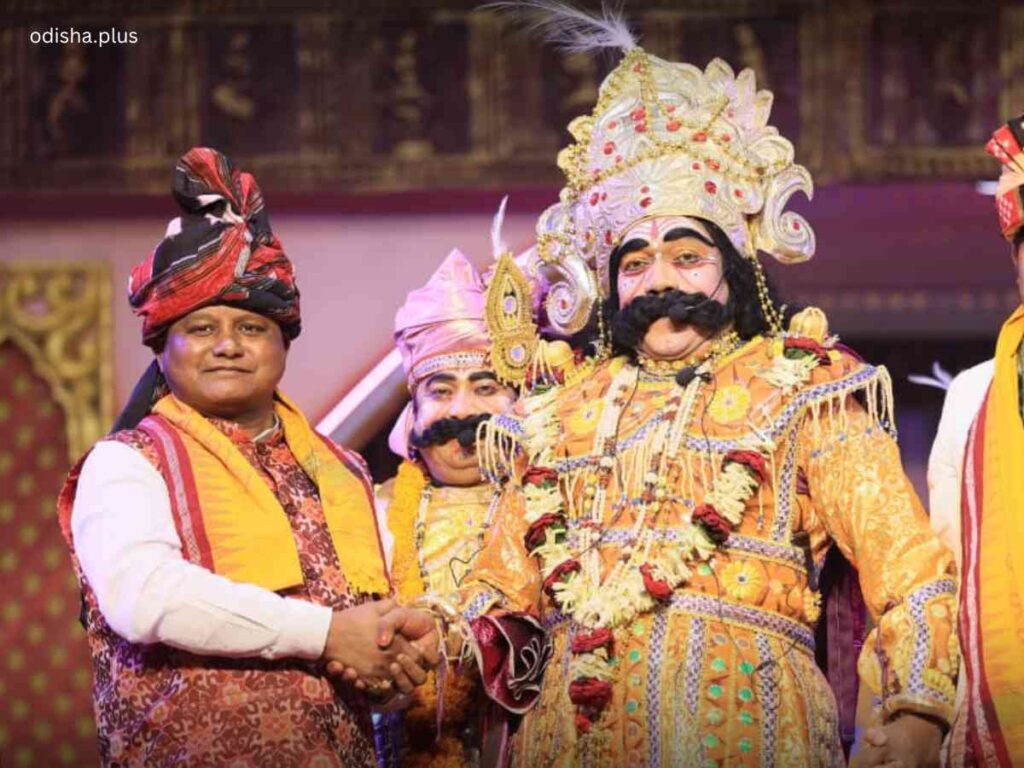
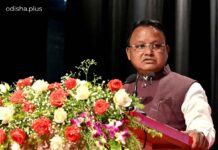
This contemporary relevance was visibly underscored by the visit of Odisha’s Chief Minister, Mohan Charan Majhi, to Dhanuyatra at Bargarh this year. By entering the festival space and proceeding ceremonially to Kansa’s court, the Chief Minister engaged not merely with an event but with a living cultural process. His announcements regarding enhanced infrastructural support, including plans for a permanent Ranga Mahal for Dhanuyatra and improved facilities along the Jeera riverfront, signal growing institutional recognition of the festival’s cultural and economic significance. Such engagement reflects how Dhanuyatra today operates at the intersection of community tradition and state-supported cultural policy.
For local artists, Dhanuyatra functions as an informal yet powerful cultural institution. Many performers inhabit their roles for decades, refining their craft and mentoring younger participants. This process of cultural apprenticeship, existing outside formal academies, ensures the continuity of oral and performative traditions at a time when mainstream media increasingly homogenises artistic expression.
Dhanuyatra’s significance also extends into the economic life of the region. The festival attracts large numbers of visitors, boosting local trade, hospitality, and small businesses. Associated events such as Meena Bazaar and handloom fairs provide vital platforms for Sambalpuri textiles and crafts, offering visibility and livelihood to artisans otherwise limited by narrow markets.
In an age of global media saturation and cultural standardisation, Dhanuyatra stands as a counter-current—a living tradition negotiating between ancient myth and contemporary sensibility. By situating myth within the everyday spaces of a working town, it dissolves the divide between sacred narrative and secular life, reminding us that culture is not distant performance but a lived, shared experience.
As Bargarh awakens each year to the rhythms of drums, dialogues, and devotion, Dhanuyatra reaffirms the enduring power of collective imagination. More than a festival, it remains a living myth in motion—an assertion of community, memory, and cultural resilience in changing times.
(The author is a former Reader in English. Views expressed are personal.)