




















Odisha signs ₹247 Cr MoA with WASSAN to revive forgotten foods and neglected crops. The 5-year project will protect traditional seeds across 15 districts
OdishaPlus Bureau

The Department of Agriculture and Farmers’ Empowerment has entered into a Memorandum of Agreement (MoA) with the Watershed Support Service and Activities Network (WASSAN) to rejuvenate forgotten foods and neglected crops in Odisha.
This initiative, which has a budget of Rs 247.024 crore, aims to safeguard and promote traditional crops and indigenous seed varieties across 25 biodiversity-rich blocks in 15 districts.
The primary goal of this program is to protect and promote traditional crops and indigenous seed varieties that are at risk of disappearing from contemporary agriculture. The scheme is set to be implemented over five years (2025-26 to 2029-30) with a total allocation of Rs. 247.024 crore.
Deputy Chief Minister Kanak Vardhan Singh Deo stated, “Food sustains our traditions; safeguarding it is tantamount to safeguarding our heritage.”
The project will concentrate on the conservation, documentation, and commercialization of neglected crops, thereby benefiting local farmers and communities.
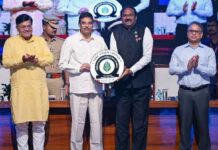
Present at the MoA signing were Commissioner-cum-Secretary of the Agriculture and Farmers’ Empowerment Department, Sachin Ramachandra Jadhav, Kalunge Gorakh Waman, Director of Horticulture, Subrat Kumar Panda, Director of Soil Conservation and Watershed Development, and Dr. Ganeshwar Jena, Additional Secretary.
This initiative is in line with Odisha’s commitment to fostering sustainable agriculture and preserving its rich biodiversity. The key objectives include the conservation and documentation of neglected crops, the multiplication of traditional and indigenous varieties, the revival of neglected crops, the establishment of State Resource Centers, the Kamala Pujari fellowship program, farmer field schools, nutrition profiling of traditional foods, and the value addition and commercialization of various food products derived from forgotten crops.