















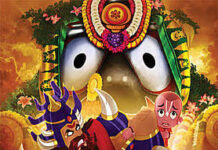







Celebrate Pakhala Dibasa! Explore the cultural significance, spiritual roots, and global celebration of Odisha’s famous fermented rice dish on March 20
OdishaPlus Bureau

Pakhala Dibasa, celebrated every year on 20 March, has evolved into a significant cultural food event for Odisha and the global Odia diaspora. Centered on pakhala—the traditional fermented rice dish—it represents not just a culinary practice but an emotional and cultural identity deeply rooted in Odia life. Although it is not an officially declared state festival, Pakhala Dibasa began as a grassroots initiative around 2011, driven by Odia food enthusiasts and social media activists. Over time, it has grown into a vibrant, widely embraced celebration of regional pride.
Across Odisha, the day is marked with enthusiasm in homes, hotels, and restaurants, many of which curate special pakhala thali menus. These typically include varieties such as saja pakhala (freshly prepared), dahi pakhala (with curd), and the richer ghia pakhala, inspired by temple traditions. In cities like Bhubaneswar, community events resembling pritibhojana (collective feasts) are organized, where pakhala is served in traditional kansa (bell metal) utensils, accompanied by delicacies like fried fish, badi chura, and seasonal vegetable sides.
The spiritual dimension of pakhala is also highlighted on this occasion. It is considered a part of the revered chappan bhoga offered to Lord Jagannath. Temples dedicated to Lord Jagannath, including diaspora institutions such as Shri Jagannath Mandir, often include pakhala in their offerings and organize communal feasts for devotees.
Beyond food, Pakhala Dibasa serves as a platform for cultural exchange and storytelling. Community-driven events frequently feature discussions on Odia culinary traditions, with chefs and food entrepreneurs sharing insights into regional variations of pakhala and its preparation methods.
Social media plays a crucial role in amplifying the celebration. Odias from across the world share photographs, recipes, and nostalgic reflections, portraying pakhala as both sustenance and sentiment. Cultural organizations, tourism bodies, and food startups leverage the occasion to promote Odia cuisine more broadly, presenting pakhala as a symbol of Odisha’s simplicity, sustainability, and traditional wisdom suited to the summer climate.
In essence, Pakhala Dibasa is more than a food festival—it is a celebration of identity, memory, and community, uniting Odias across geographies through a humble yet deeply meaningful dish.