





















An opinion on why the upcoming Lord Jagannath film should remain faithful to scriptures, temple traditions, and the living heritage of Jagannath culture
Mrinalini Padhi
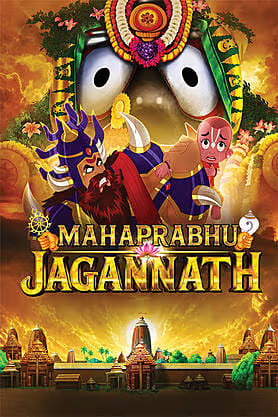
On 28 July 2026, an animated film titled ‘Jagannath Mahaprabhu’ is reportedly scheduled for national and international release. Introducing children to India’s spiritual heritage through quality animation is a welcome initiative. In an age when digital media shapes young minds more than books, cinema can become a powerful vehicle for preserving India’s civilisational legacy.
Yet, when the subject is Lord Jagannath – the presiding deity of one of India’s oldest and most revered living traditions – creative freedom must be guided by authenticity. The question is not whether filmmakers enjoy artistic liberty. It is whether that liberty should extend to fictionalising sacred narratives in ways that depart from accepted scriptures, temple traditions, and centuries of religious practice.
The answer should be no.
Successful animated films such as ‘Bal Ganesh’ and ‘Bal Hanuman’ demonstrate that compelling storytelling need not come at the cost of authenticity. Their creators drew upon established religious texts and traditions while using animation creatively to engage children. They enriched the presentation without inventing alternative mythology. A film on Lord Jagannath deserves the same standard.
The Jagannath tradition is far more than folklore. It is a living civilisational heritage preserved through scriptures, temple rituals, the Madala Panji, devotional literature, oral traditions, and uninterrupted worship over centuries. The annual Rath Yatra, the sacred tradition of Nabakalebara, and Lord Jagannath’s inclusive philosophy represent not merely religious observances but an enduring expression of India’s cultural identity.
Children often accept visual narratives as historical truth. For many, an animated film may become their first introduction to Lord Jagannath. Fiction created for dramatic effect today can easily become accepted history tomorrow. That is why films intended for young audiences carry a greater responsibility when portraying living religious traditions.
This is not merely a matter of sentiment. The Constitution itself recognises the importance of protecting religious traditions. Articles 25 and 26 guarantee the freedom to practise religion and acknowledge the rights of religious denominations to manage their own affairs in matters of faith. These constitutional protections underscore the need to respect traditions that remain central to the lives of millions.
Equally significant is the role of the Shri Jagannath Temple Administration (SJTA), constituted under the Shri Jagannath Temple Act to preserve the rituals, customs, and heritage of the Puri Temple. When such a statutory authority examines a film concerning Lord Jagannath and recommends modifications to safeguard authenticity, those recommendations deserve careful consideration and respect.
Indeed, it is understood that on 6 July 2026, the producer of Jagannath Mahaprabhu, along with members of the creative team, met representatives of the SJTA. During the meeting, several portions of the film, reportedly requiring modification, were discussed in detail. The minutes of the meeting state:
“The Chairman, Shri Gajapati Maharaja, elaborately explained the logic and rationale behind the above resolutions of the sub-committee to the Producer, Shri Durga Prasad Dalai. Shri Dalai expressed his willingness to abide by the decisions of the sub-committee and to release the movie ‘Mahaprabhu Jagannatha’ after appropriate modifications are carried out in accordance with the guidance and advice of scholars nominated by SJTA.”
If the film is now released without implementing those agreed modifications, the issue transcends artistic disagreement. It raises concerns about honouring the assurances given during a consultative process intended to protect one of India’s most cherished religious traditions. Consultation has value only when the commitments arising from it are respected.
This should not be portrayed as a contest between artistic freedom and religious faith. Cinema enjoys constitutional protection as an expression of creativity. However, constitutional freedoms coexist with constitutional responsibilities. The Supreme Court has repeatedly recognised that freedom of expression must be exercised with due regard for the rights and deeply held religious beliefs and sentiments of others. Where living religious traditions are concerned, sensitivity strengthens rather than weakens artistic expression.
The producer today has an opportunity that extends far beyond mere commercial success. A faithfully researched animated film based on accepted Jagannath literature, temple traditions, and scriptural sources could become the definitive introduction to Lord Jagannath for generations of children in India and across the world. Such a film would educate while inspiring, and preserve heritage while embracing modern storytelling formats.
There is still time to choose that path. If the changes suggested by the Shri Jagannath Temple Administration have not yet been incorporated, the producer should voluntarily defer the release until they are fully implemented.
Such a decision would not reflect weakness; it would demonstrate cultural responsibility and respect for millions of devotees. More importantly, it would ensure that children encounter Lord Jagannath through narratives rooted in history, scripture, and living tradition—not avoidable fictionalisation.
Great works of art endure because they earn society’s trust. A film that remains faithful to Lord Jagannath’s authentic tradition will not merely entertain children; it will educate them, inspire them, and become part of India’s enduring cultural inheritance.
The author is an advocate and former member of the Odisha State Consumer Disputes Redressal Commission. Views expressed are personal.