























Desi Bling is a shallow, hyper-stylised portrayal of ultra-rich Indian expats in Dubai, highlighting their obsession with wealth, stereotypes, and questionable cultural and gender representation
Dr Khusi Pattanayak
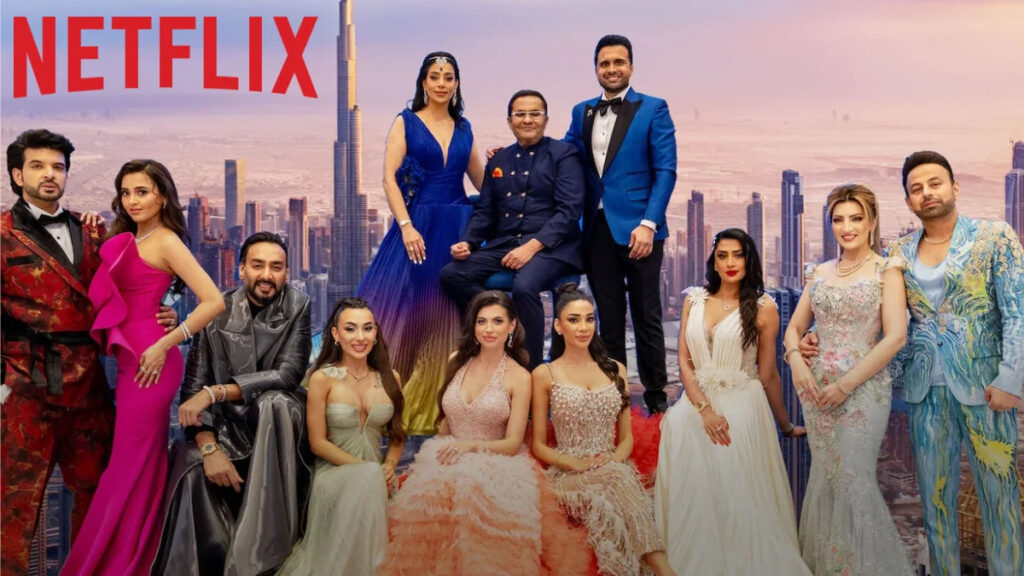
It feels absolutely surreal watching Desi Bling in 2026 amid the ongoing global tension that has jeopardised life in countless ways for a vast majority of the population; because clearly the characters-actors in the series are living in a world that is devoid of any crisis.
The vulgar display of wealth, regressive attitude, repressive environment is nauseating. Each scene in the series is hyper-stylised to accommodate glamour, aspiration, and wealth. People twirl around in brands and jewelleries while engaging in creation and propagation of a consumable cultural identity.

But in their defence, at least they don’t claim to live a humble middle-class life like the Indian billionaires who do so in the home country. The multi-millionaire/ billionaire Dubai expats are unabashedly proud of their money and they flaunt it with great gusto.
Desi Bling is the first cousin of Dubai Bling. The reality series revolves around a group of the ultra-rich Indians settled in Dubai, their luxurious lives, and their self-designed (melo) drama.
In one of the episodes, someone says: I don’t talk much; money speaks on my behalf- a narcissistic declaration of global belonging and power of economic prosperity. And that more or less sums up the heart and soul of the 7 episodes of Desi Bling.
In this picture-perfect world, the material possessions do not indicate their utilitarian value. They are status symbols, markers of social progress; they create a universe of infinite spectacle.
The citizens of Desi Bling live in a tone deaf hyper real world. They have access to best of the medical support, they enter and exit Dubai in a jiffy, and talk about renting wombs for surrogacy like they are going to the local market for procuring vegetables.
The Indian diaspora (along with people from other communities) that appears in the series are nothing more than products. Their sufferings, experiences, successes are curated for wider consumption, encoding a cultural legitimacy to tangible assets and intangible emotions which indicates social empowerment.
The women are continuously performing – from emotional labour to social identities, while ensuring their husbands are well taken care of. Any exception to the norm can get them ostracised. They are physically situated in a post-modern world, but their social and emotional position is similar to that of the medieval era. They are continuously judged, they remain forever under the shadow of their partners (even the professionally successful ones), they engage in petty nothingness, and they embody the male gaze. The women in the show remain perpetually under the fear of being abandoned by their husbands; and the ones who are without any male partners are stigmatised.
On the other hand, the husbands get to enjoy unlimited me time, boys’ evenings, company of women (to various degrees of proximity) without much explanation. The Indian families do what it does the best- keep judging the women their sons have married or planning to get engaged.
More than once, we are told the people of Desi Bling don’t go to Bollywood, but they bring Bollywood to them. Rightly so we see a good number of blink and you miss appearances of actors, sports stars, celebrated chefs. Most of them look like the camera has caught them in a moment of self-realisation and they should have never said yes to the project. They must have been compensated generously, for that is at the apex of all things that can buy the bling!
The series marries streaming platform economics and diaspora branding to create a globally marketable entertainment with the aim to get more subscribers and viewers engagement for Netflix. The involvement of high-end names and production house indicates that shows like this, that celebrates below average script, misogynist attitude, voyeuristic voice, and stereotypes everything that can take society years back are still palatable in 2026. And that is an extremely worrisome indication of audiences’ engagement pattern.
Desi Bling is similar in spirit to The Fabulous Lives of Bollywood Wives. If you are a fan of such content this is for you. Otherwise, this is for no one. Absolutely no one.
(The author is an internationally published writer & corporate communication specialist. Views are personal.)