























The debate over freebies in India goes beyond election promises, raising important questions about welfare, fiscal responsibility, poverty alleviation, and the future of democratic governance
Rabindra Kumar Nayak
In recent years, “freebies” have become one of the most debated issues in Indian public life. Free electricity, free water, subsidised food grains, free bus travel, laptops, and direct cash transfers have become common features of election manifestos. Supporters view these measures as essential support for vulnerable sections of society, while critics see them as vote-catching devices that weaken public finances and discourage self-reliance. The debate, however, is not as simple as welfare versus waste. The real question is what kind of freebies are being offered, to whom, and with what long-term consequences.
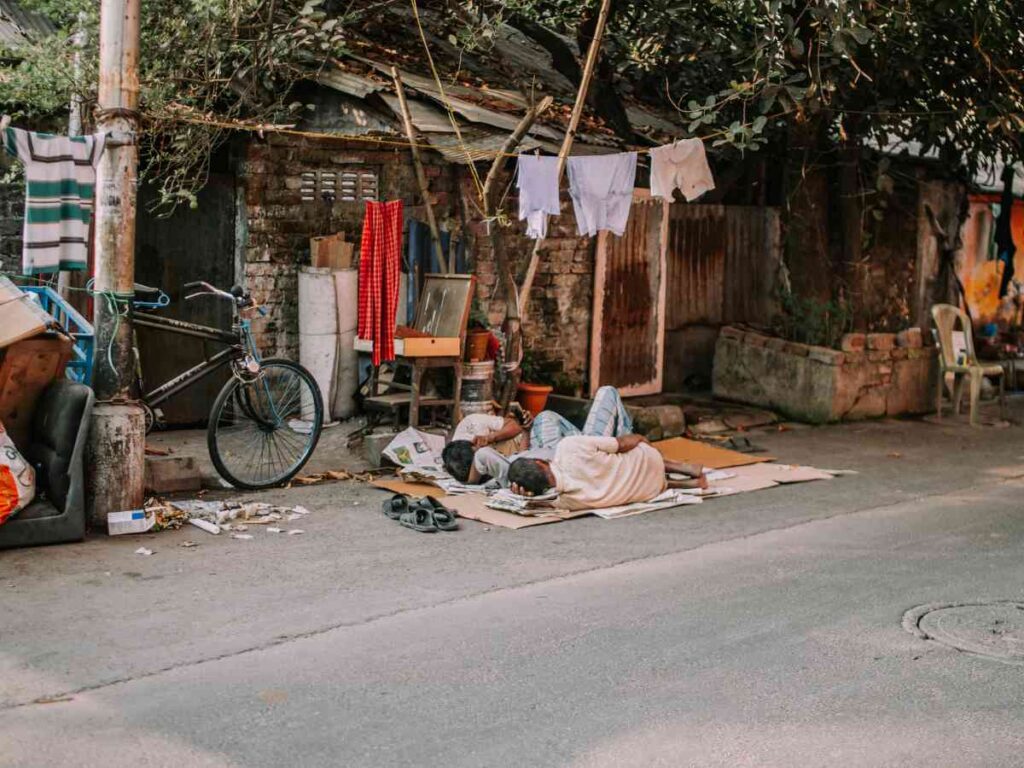
India continues to face deep and persistent poverty. Millions struggle with inadequate nutrition, poor healthcare, insecure employment, and limited access to education. In such circumstances, state support is not merely an act of generosity; it is a social and constitutional responsibility. Programmes such as subsidised food, free vaccinations, midday meals, and public healthcare have improved nutrition levels, reduced mortality, and enhanced human development indicators. These measures are not giveaways in the ordinary sense. They are investments in human capability. A hungry child cannot learn effectively, and a sick worker cannot remain productive. Welfare that strengthens health, education, and basic security creates the conditions necessary for individual growth and national development.
The problem arises when welfare becomes a tool of political spectacle rather than social transformation. Increasingly, parties compete to promise benefits that provide immediate electoral appeal but do little to address structural problems. Free electricity, water, or consumer goods may generate short-term satisfaction, yet they rarely create jobs, improve skills, or increase productivity. When benefits are distributed indiscriminately, they often reach those who do not need them while encouraging inefficient use of public resources. Welfare loses its developmental purpose and becomes an instrument of political marketing.
The common argument that freebies make people lazy deserves careful scrutiny. Poverty itself is far more damaging to human dignity and productivity than welfare support. Most poor households do not abandon work because they receive subsidised food or financial assistance. Rather, such support enables them to survive and continue working under difficult conditions. Studies from many countries suggest that welfare generally supplements income rather than replacing labour. The image of the “lazy beneficiary” is often based more on prejudice than evidence.
Yet there is another danger that cannot be ignored. When governments rely excessively on unconditional subsidies and cash transfers without simultaneously investing in education, skill development, entrepreneurship, and employment generation, welfare can create dependency. Instead of acting as a bridge out of poverty, it tends to become a permanent arrangement that keeps people trapped in vulnerability. Citizens may become accustomed to receiving benefits while opportunities for genuine economic advancement remain limited. Welfare should serve as a foundation from which people can build independent lives, not as a substitute for empowerment.
The fiscal implications of freebies are equally important. No benefit is truly free; every scheme is financed either through taxation or public borrowing. When governments spend beyond their means to fund politically attractive promises, public debt rises. The burden is eventually transferred to future generations through higher taxes, reduced investment, or cuts in essential services. Resources devoted to short-term giveaways are resources unavailable for schools, hospitals, irrigation projects, scientific research, public transport, and infrastructure. Excessive populism can therefore weaken the state’s ability to invest in long-term development.
There is also a deeper democratic concern. Democracy thrives when citizens evaluate governments on governance, accountability, and public outcomes. When elections become contests over who can distribute more benefits, political participation becomes transactional. Voters may be encouraged to think primarily as recipients rather than as active citizens with broader expectations from government. In such a climate, important questions about education quality, healthcare systems, employment opportunities, environmental sustainability, and institutional reforms receive less attention. Democracy becomes less about public reasoning and more about competitive distribution.
The answer, therefore, is not to reject all freebies nor to celebrate them uncritically. Welfare measures that are targeted, transparent, and linked to genuine social needs are indispensable. Support for nutrition, healthcare, education, housing, and social security strengthens both individuals and society. On the other hand, schemes designed primarily for electoral gain, lacking accountability or developmental purpose, often produce more political benefit than public good.
India needs a shift from the politics of dependency to the politics of dignity. Public support should help people learn better, work better, and live healthier lives. Investments in quality education, accessible healthcare, skill development, and employment creation yield far greater long-term returns than indiscriminate giveaways. Effective welfare creates empowered citizens capable of shaping their own futures.
Ultimately, the debate over freebies is not about generosity versus austerity. It is about vision. A mature democracy must ask whether a policy expands human freedom, capability, and opportunity, or merely secures short-term political loyalty. Freebies that serve as a bridge out of deprivation strengthen society; freebies that substitute for governance weaken it. The challenge before India is to ensure that welfare remains a pathway to empowerment rather than a tool of political convenience. The future of democratic governance may well depend on making that distinction.
(The author is a former Reader in English. Views expressed are personal.)