























Odisha Built lasting ties with Southeast Asia through trade, diplomacy, and royal alliances. These connections secured maritime routes and shaped cultural and political exchanges in the region
Netajee Abhinandan & Preet Bubna
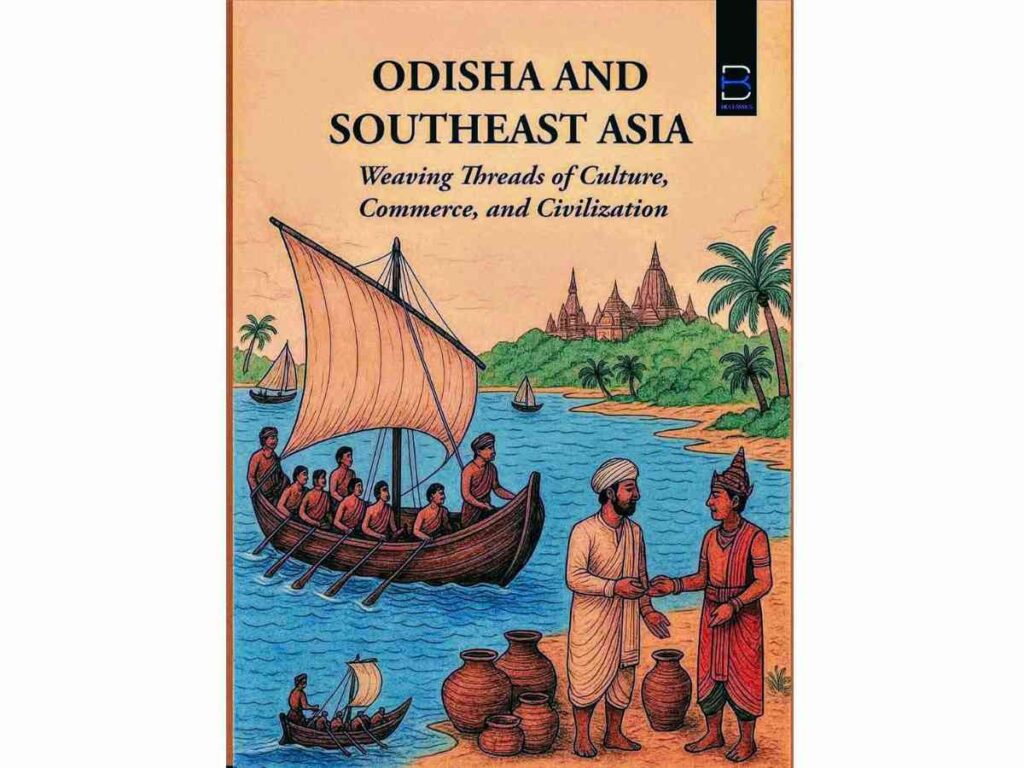
The historical relationship between Odisha (previously known as Kalinga) and Southeast Asia is multifaceted, with trade, culture, religion, and politics playing crucial roles. One of the often-overlooked aspects of these interactions is the political alliances and diplomatic ties between these regions.
These connections were vital in strengthening maritime trade routes, securing territorial control, and fostering cross-cultural exchanges. Through political marriages, treaties, and diplomatic missions, Odisha and Southeast Asian kingdoms established enduring relationships that left significant cultural and political legacies.
Odisha, with its extensive coastline along the Bay of Bengal, was a key player in maritime activities, connecting India with the rest of Southeast Asia. The early political history of Odisha, particularly during the time of the Kalinga kingdom, reveals its active engagement with overseas territories. The geographical proximity to Southeast Asia, combined with its strategic location on the Indian Ocean trade routes, made it a natural partner for political and diplomatic relations with the kingdoms of Southeast Asia.
From as early as the first millennium CE, kingdoms in Southeast Asia, such as Srivijaya, Funan, Champa, and later, the Khmer Empire, were influenced by Indian political ideas. The transmission of these ideas often involved direct political interactions with Indian states, especially those located along the eastern coast of India, like Odisha. These exchanges were not merely one-sided; Southeast Asian kingdoms actively engaged with their Indian counterparts in establishing alliances, seeking counsel, and adopting Indian models of kingship and governance.
Diplomatic missions between Indian states and Southeast Asian kingdoms were an essential tool for maintaining political relationships. These embassies helped secure trade routes and also played a part in spreading Indian culture, religion, and political institutions. Odisha’s diplomatic missions to Southeast Asia were largely driven by a desire to protect and expand its influence over key maritime routes in the Bay of Bengal.
At the same time, Southeast Asian kingdoms like Srivijaya and Majapahit were keen to ensure that their Indian Ocean networks remained secure and free from external threats. Envoys were sent from Odisha to various Southeast Asian courts, sometimes as part of formal treaties or as goodwill missions. These diplomatic missions helped reinforce political alliances and paved the way for cultural and economic exchanges.
Evidence of these diplomatic ties comes from inscriptions and historical texts that refer to formal relationships between Odisha and Southeast Asian polities. For instance, inscriptions in Southeast Asia reveal that Indian rulers were sometimes invited to settle political disputes or provide counsel to local kings. Such invitations suggest a deep respect for Indian political systems and rulers.
One of the key methods of securing political alliances in the ancient world was through marriage, and Odisha was no exception. Marriages between Indian royal families and Southeast Asian nobility helped cement political ties and foster closer cultural integration.
In the case of Odisha, several historical accounts suggest that political marriages occurred between Odishan rulers and Southeast Asian royal families. Such unions helped to secure alliances that were beneficial for both parties, particularly in terms of ensuring the safety of maritime trade routes. These alliances were crucial for controlling the flow of goods between India and Southeast Asia, and also in exerting political influence over key regions.
For example, the rise of the Kalinga kingdom as a maritime power meant that it had to maintain friendly relations with Southeast Asian kingdoms to ensure the smooth operation of its trade networks. Marriages between Odishan royals and Southeast Asian princesses, or vice versa, helped solidify these relationships. Although specific records of such marriages are scarce, the practice was common across the Indian Ocean countries, and Odisha likely engaged in similar strategies to secure its influence in Southeast Asia.
These marriages were not merely symbolic; they often came with real political benefits. Integrating Odishan and Southeast Asian royal lineages helped ensure loyalty and cooperation between the two regions. In some cases, Indian princes or princesses who married into Southeast Asian royal families played significant roles in the political affairs of their new homes, acting as intermediaries between their birthplaces and adopted countries.
The political cooperation between Odisha and Southeast Asian kingdoms was driven by shared interests in maintaining stability in the Indian Ocean region. During the first millennium CE, the rise of powerful maritime states in Southeast Asia, such as Srivijaya, created opportunities for Odisha to align itself with these kingdoms to dominate regional trade. Srivijaya, which controlled the Malacca Strait, was a particularly important ally for Odisha.
As a major hub in the Indian Ocean trade network, Srivijaya had extensive connections with both China and India. By forming political alliances with Srivijaya, Odisha was able to secure access to valuable goods, including spices, gold, and silk, and ensure that its ships could move freely through Southeast Asian waters. In return, Odisha provided Srivijaya with political support, helping to strengthen its position in the region.
This cooperation was mutually beneficial: Odisha’s maritime expertise and strong navy were useful to Srivijaya, while Odisha benefited from access to Southeast Asia’s lucrative markets. Another example of political Cooperation between Odisha and Southeast Asia can be seen in the kingdom of Champa, located in modern-day Vietnam. Champa, like Odisha, was a significant player in the maritime trade of the Indian Ocean, and it maintained close diplomatic ties with Indian states. Odisha’s political alliances with Champa were based on mutual economic interests, as both kingdoms sought to control key trade routes and protect their maritime assets.
(Excerpts from the book ‘Odisha and South-East Asia – Weaving Threads of Culture, Commerce and Civilization’ by Netajee Abhinandan and Preet Bubna. With permission from publishers, BK Classics/ Bhubaneswar)