






















With BJP-led governments in both Odisha and Chhattisgarh, the long-standing Mahanadi river water-sharing conflict may soon see a peaceful and collaborative resolution
OdishaPlus Bureau
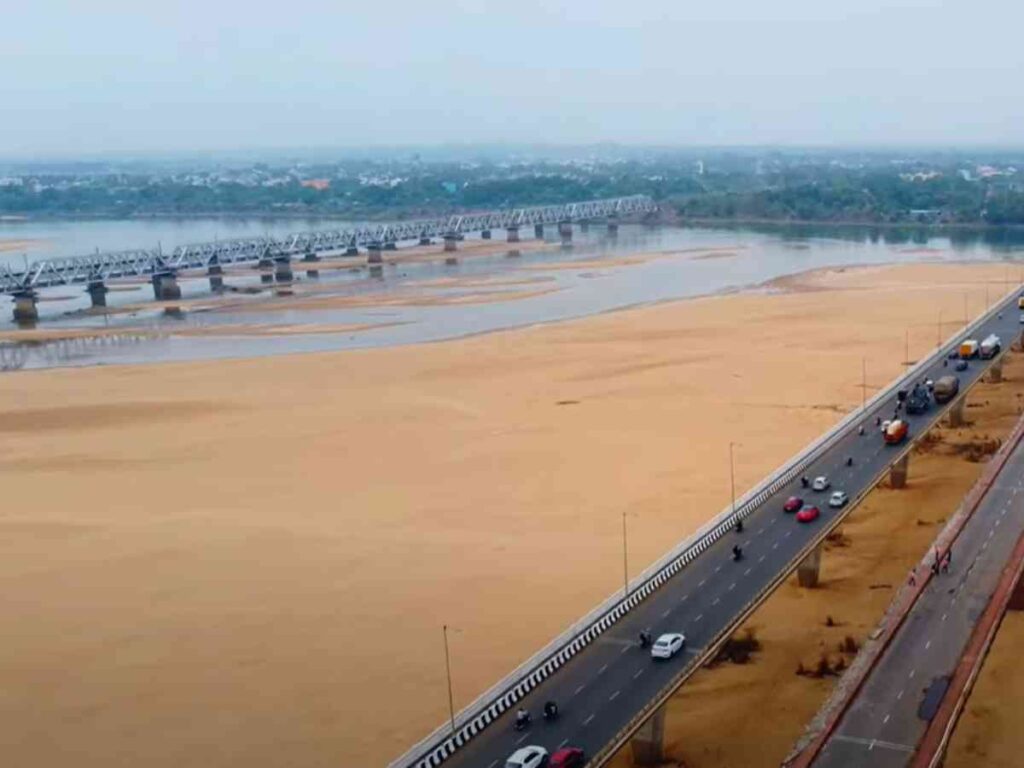
With the BJP governments in Odisha and Chhattisgarh, both states are expected to pursue an “amicable solution” regarding the long-standing dispute over the sharing of Mahanadi water. This issue is currently pending with the Mahanadi Water Disputes Tribunal, which was established by the Centre in March 2018 following a directive from the Supreme Court.
Odisha Chief Minister Mohan Charan Majhi, who presided over a meeting concerning this matter on July 23, sent a letter to his Chhattisgarh counterpart Vishnu Deo Sai two days later, requesting a “mutually beneficial settlement.” Sai replied to Majhi on Friday, indicating that the proposal is under “active consideration.” In his correspondence, Majhi suggested the formation of a joint committee led by officials from the Central Water Commission, including representatives from both states, to promote dialogue and technical negotiations aimed at achieving a “mutually beneficial settlement.”
“Through our united efforts and the active collaboration of both states along with the Central Water Commission, we can attain a fair, equitable, and prompt resolution to this urgent matter. Such a resolution will not only establish peace and stability but will also enhance cooperation, trust, and goodwill between Odisha and Chhattisgarh, thereby laying the groundwork for future partnerships,” stated the Odisha Chief Minister in his correspondence.
Official sources indicated that the chief secretaries of both states have commenced preliminary discussions regarding the issue.
The Mahanadi River, which traverses through Chhattisgarh and Odisha, serves as a significant water source for agriculture, industry, and hydropower generation. Official sources reported that the Mahanadi encompasses a total catchment area of 141,600 square kilometers, with 53.9 percent located in Chhattisgarh, 45.73 percent in Odisha, and a minor portion in Madhya Pradesh.
In response to the river’s severe flooding, Odisha constructed a substantial 25-kilometer earthen dam at Hirakud in Sambalpur district in 1953 to store water for irrigation in the western part of the state and for power generation. In 2016, Odisha asserted a minimum flow of 12.28 million acre-feet of Mahanadi water at the Hirakud dam.
The recent proposal put forth by the Odisha government for a peaceful resolution to the issue is particularly noteworthy given that the BJP holds power in both neighboring states as well as at the national level. A senior bureaucrat remarked, “The existing political framework in both states and at the Centre presents a favorable opportunity to achieve an amicable resolution to the river water conflict.”
Since 2016, the neighboring states have been at odds over Mahanadi water after Odisha accused Chhattisgarh of ‘unilateral’ construction of several barrages in the upper catchment areas, which led to a decrease in water flow into Odisha, the lower riparian state, during the non-monsoon periods.
Although the Centre initially sought to address the matter through mutual agreement, with the then Union Water Resources Minister Uma Bharti convening a tripartite meeting that included the then chief ministers Naveen Patnaik and Raman Singh in September 2016, the BJD government at that time insisted on the establishment of a tribunal to settle the dispute. Additionally, in November 2016, it filed a petition with the Supreme Court against Chhattisgarh’s “unilateral construction” of barrages on the Mahanadi. Following a Supreme Court directive in January 2018, the Centre established the three-member Mahanadi Water Disputes Tribunal in March of that year.
Officials have stated that Odisha has already notified the tribunal regarding the current efforts aimed at achieving a peaceful resolution to the dispute through dialogue and negotiations.