





















The Election Commission of India faces allegations of bias and voter roll manipulation, deepening a trust deficit in its credibility
Pradeep Kumar Biswal
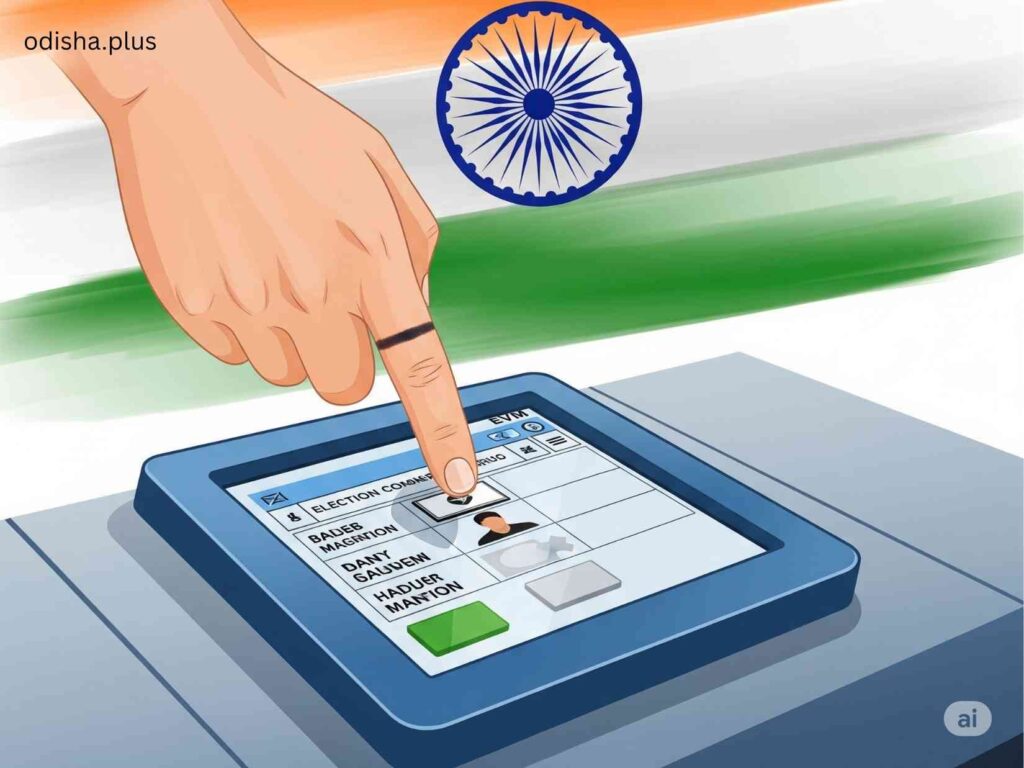
While the Election Commission of India ( ECI ) is a constitutional body designed to be independent and ensure free and fair elections, it’s facing growing criticism and allegations of bias from opposition political parties during last few months. This has seriously damaged the credibility of the Commission in the public at the face of a false (?) narrative created by the opposition.
Of course the ECI has strongly refuted the allegations one by one in a press conference; but it will take time to restore its reputation as a constitutional body.
Arguments against the ECI’s Impartiality are many. Appointment Process is one of them. A major point of contention is the process of appointing Election Commissioners. Critics argue that the government’s role in the selection committee, which gives it a majority, raises concerns about the ECI’s independence and can lead to a perception of bias. This has led to calls for a more transparent and independent selection process, as suggested by the Supreme Court in the past.
Allegations of Voter Roll Manipulation is another .Opposition parties have repeatedly raised serious allegations of irregularities in the electoral rolls, including duplicate entries, bulk deletions, and manipulation of voter lists. The ECI’s response to these claims, particularly its resistance to providing machine-readable voter lists and its reliance on self-declarations for verification, has triggered a “trust deficit.”
Enforcement of the Model Code of Conduct (MCC) is yet another. There have been accusations that the ECI is not consistent in its enforcement of the MCC, with some critics suggesting that ruling parties are treated more leniently than opposition parties. The lack of statutory backing for the MCC limits the ECI’s enforcement powers and adds to the perception of a lack of a level playing field.
Transparency and Communication comes next. The ECI’s actions and communication have also come under scrutiny. For example, its delays in releasing final voter turnout figures and its handling of complaints have been criticized for lacking transparency. Some critics argue that the ECI has become defensive and views criticism as an attack on the institution itself, rather than as an opportunity for reform.
Voter Verifiable Paper Audit Trail (VVPAT) Tallying is the next point of contention. The limited scope of VVPAT verification, which is statistically argued by the ECI to be sufficient, is a source of distrust for many political parties and a segment of the electorate who believe that a larger sample size is needed to ensure against potential tampering or malfunctions.
Admittedly, it may not be practical to tally all the VVPAT before declaring the results.
Dependency on Government Staff has been a sore. The ECI’s reliance on government employees, rather than a dedicated, independent staff, for administrative support and day-to-day operations is seen by some as a structural vulnerability that can affect its operational independence. Of course in a country like India it’s impossible to create a dedicated machinery to conduct elections.
Now for arguments against questioning the ECI’s Impartiality,
constitutional mandate and duty. The ECI asserts that it is a neutral constitutional body with a mandate to ensure free and fair elections. It argues that it treats all political parties equally and has no “ruling side or opposition.”
As for transparency and process ,the ECI maintains that its processes, such as the Special Intensive Revision of electoral rolls, are transparent and involve political parties and their agents at the ground level. It has dismissed allegations of “vote theft” as baseless and misleading.
The ECI has directly refuted the allegations of bias and manipulation, often challenging those making the claims to provide formal, sworn evidence. It also points out that many of the electoral roll issues were not raised by political parties during the appropriate claims and objections periods.
Previous Rulings and Legal Precedent: The ECI has defended its stance on issues like providing machine-readable voter lists by citing legal and cybersecurity concerns, and has stated that its decisions are in line with past Supreme Court judgments.
The ECI has a long history of successfully conducting complex elections in India and has earned a reputation for its institutional strength and professionalism over many decades. Even other countries recognise the impartiality and efficiency of ECI in conducting elections.
In sum,while the ECI maintains its neutrality and dismisses allegations of bias, the recurring and serious nature of the concerns raised by various political parties, civil society organisations, and some legal experts indicates a growing crisis of trust. A healthy democracy requires public confidence in its electoral processes.
Therefore, questioning the ECI’s actions and demanding greater transparency and accountability by political parties is not just a political tactic but a crucial part of a functioning democratic system. The ECI’s ability to restore this public trust hinges on its willingness to address these concerns head-on, enhance transparency, and, where necessary, support institutional and procedural reforms to strengthen its autonomy and credibility.
The future will depend upon the reforms in the election process and bringing greater accountability and transparency in the system.
(Pradeep Biswal, retired IAS Officer, is a bilingual poet writing both in Odia and English. His poems are widely anthologized. He is also an editor and translator of repute. Views expressed are Personal)
The whole problem lies with the defective selection process of the commissioners.It’s a balanced write up .Thanks for such a good review.