


















Odisha will conduct its first Special Intensive Revision of voter rolls since 2002 to update and clean the electoral database
OdishaPlus Bureau
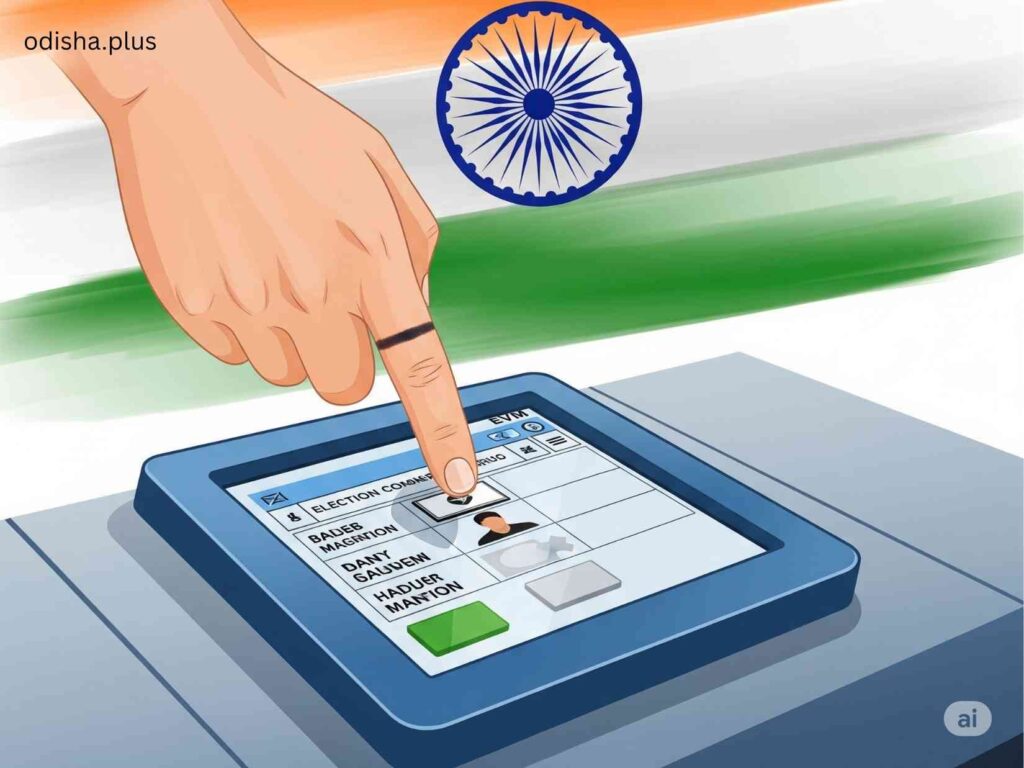
Odisha is set to commence the Special Intensive Revision (SIR) of the electoral rolls starting next month, marking the first such initiative in the state since 2002, as stated by the chief electoral officer, R Sant Gopalan, on Monday.
Gopalan indicated that the final voter list is scheduled for publication on January 7 of the following year. “The SIR will initiate next month, and the revised list will be released in January. However, the publication of the revised list may be postponed by the directives of the Election Commission of India (ECI),” he remarked.
The state’s chief election official further noted that the number of polling booths throughout the state will be increased from 38,000 to 45,000.
Since the last such exercise in 2002, the electoral rolls have been subject to annual summary revisions, which do not include door-to-door verification. The forthcoming SIR is anticipated to be a significant endeavor to guarantee that no eligible voter is excluded and that no ineligible individual remains on the rolls, he added.
The SIR process encompasses house-to-house visits, verification of voter eligibility, the rationalization of polling stations, and the enhancement of the voter list to rectify inaccuracies.
The announcement made on Monday occurs amidst an ongoing controversy in Bihar regarding the exercise, which is taking place before the state elections scheduled for later this year. This SIR initiative in Bihar, being conducted statewide for the first time in twenty years, has resulted in the exclusion of approximately 6.5 million names from the draft roll that was published on August 1.
Furthermore, this exercise faced legal challenges in the Supreme Court in July. On August 14, the Supreme Court instructed the Election Commission to disclose the details concerning the 6.5 million voters who were removed during the SIR process. The court emphasized the necessity of transparency and established August 19 as the deadline for compliance, with a review scheduled for August 22.
As per the 2024 voter list, Odisha has a total of 33.2 million voters, which includes 16.8 million men and 16.3 million women. Among these voters, there are 680,000 senior citizens, 9,060 individuals aged over 100 years, 457,000 persons with disabilities (PwD) voters, 754,000 voters who are 18-19 years old, and 3,380 voters identifying as third gender.
By the directives from the Election Commission (EC), individuals whose names were not included in the 2002 electoral roll must provide the necessary documentation as specified by the Commission to verify their eligibility for voter registration. In the case concerning Bihar, the Supreme Court has instructed the EC to accept Aadhaar cards as valid identification as well.
The state government has already directed all departments and district collectors to ensure that there are no vacancies in the positions of District Election Officer (DEO), Electoral Registration Officer (ERO), or Assistant Electoral Registration Officer (AERO) during the revision period. Furthermore, no transfers of officers occupying these roles will occur without prior consent from the Election Commission.
In response to the concerns expressed by the BJD regarding discrepancies in polling numbers for the 2024 Lok Sabha and Assembly elections, Sant Gopalan stated that responses have already been provided to the objections raised by both the Congress and the BJD.
“We must not erode public confidence. Groundless accusations may jeopardize the integrity of the Election Commission,” he remarked, further noting that comprehensive explanations were given to the BJD on two occasions regarding their claims.