

















Odisha fights anaemia with kitchen gardens, adolescent leadership, and community-led nutrition models like Mo Bagicha and Bal Bhojan
Mohua Chatterjee
Anita Bariha faced her first pregnancy with a haemoglobin level of just 7.2 — dangerously low for a mother-to-be. Poverty forced her and her husband to work long hours, leaving little space for rest or balanced meals. With encouragement from community groups, adolescent collectives, ASHA and ANM workers, Anita’s in-laws eventually gave the couple a small plot of land to grow vegetables. That single decision changed everything. The fresh produce not only improved Anita’s diet but also provided a small income. Over time, her haemoglobin rose to 11.1 — enough to carry her through a safe delivery.
From Sadanandpur village in Bargarh to countless others across rural Odisha, Anita’s journey is not just personal. It points to a larger truth: the fight against anaemia and malnutrition often begins in the soil beneath our feet.
Reviving Mo Bagicha
Kitchen gardens, once both nutritionally and culturally significant, are rapidly disappearing due to seasonal migration and changing lifestyles of communities. In their absence, families rely increasingly on market produce and processed foods — convenient perhaps, but devoid of the nutrition that locally grown crops once provided.
This is where community-led models matter. CRY’s work with families like Anita’s shows that reviving the tradition of household kitchen gardens, or Mo Bagicha, is not just desirable but absolutely necessary. The state government’s Poshan 2.0 has rightly prioritized such initiatives, but unless they are treated as central to nutrition planning, the state risks falling behind on critical health indicators.
Anaemia to Awareness
Take the story of Sarathi Nag from Balangir. At 12, she was painfully shy, severely anaemic with an HB level of 6.8, and reluctant to even talk about menstruation or diet. Yet, with repeated sessions at her Anganwadi Centre and the encouragement of children’s collectives, Sarathi’s health began to improve. More importantly, her confidence grew. She started sharing her learnings with peers and gradually emerged as a voice of change in her community.
Her journey proves a crucial point: when adolescents are given safe spaces, information, and leadership roles, they are just not passive beneficiaries — they become powerful participants in shaping healthier communities.
Reality Check
The challenge remains sobering. NFHS-5 data shows progress in some areas — the percentage of mothers consuming IFA tablets /folic acid during pregnancy rose by almost 24 percentage points. Yet, anaemia among pregnant women aged 15–49 years increased by 14 percentage points.
This contradiction is telling. Supplements alone cannot solve anaemia. If adolescent girls continue to grow up stunted, they are more likely to become stunted women, who then give birth to low birth weight babies. The cycle is intergenerational, and breaking it demands more than pills — it requires a holistic approach that blends government provisioning with community ownership.
Community Nutrition Initiatives
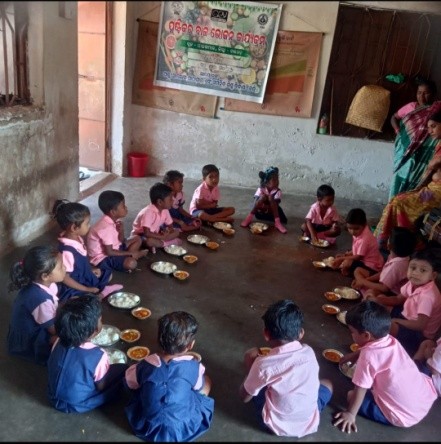
The Bal Bhojan programme in Paikmal, Bargarh, offers an inspiring model. Here, families take turns to bring produce from their kitchen gardens to the Anganwadi Centre every month. Mothers cook and serve hot meals, creating not just nutritional diversity but also a sense of shared responsibility.
What began as a CRY-facilitated intervention is now run entirely by the community. The mothers’ group plans the menu, divides responsibilities, and ensures that children benefit from meals that go beyond staples. Beyond nutrition, Bal Bhojan has created spaces for social and emotional development — a reminder that food is never only about calories, but about dignity, culture, and community.
When Adolescents Lead Change
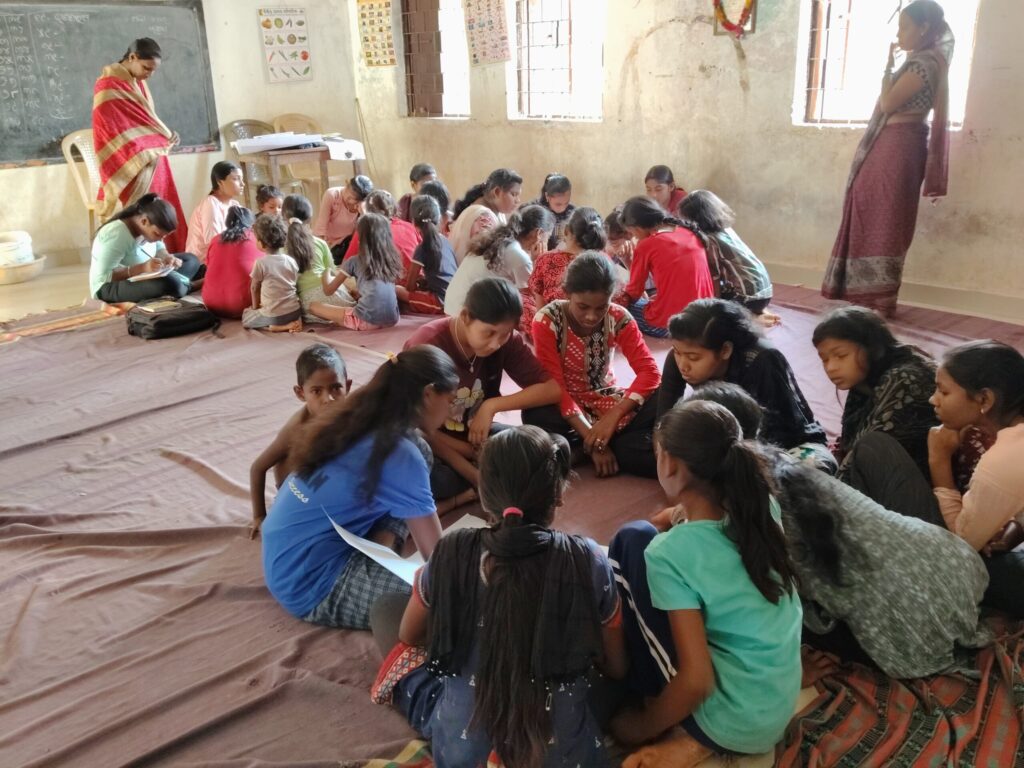
Adolescence is a decisive phase of growth, and empowering young people is critical. The formation of adolescent groups across Odisha has shown that when given knowledge about health, hygiene, nutrition, and the risks of early marriage, they quickly become role models in their own right. Working alongside frontline workers — ANMs, ASHAs, AWWs — these groups help identify cases of severe anaemia, ensure that at-risk girls receive supplementation and counselling, and support follow-up. Pregnant and lactating mothers are also mobilised, closing the loop of care.
This proves that adolescents are not a challenge to be managed, but an untapped solution to be nurtured.
Convergence and Local Ownership
The lesson is clear: government schemes like Poshan 2.0 succeed only when they are rooted in community ownership. Behaviour change, cultural practices like kitchen gardens, adolescent leadership, and the collective role of mothers all create an ecosystem where interventions actually last.
Way Forward
Anaemia and malnutrition remain among India’s deepest public health challenges, threatening not just individual health but the future of entire communities. We must stop treating them as problems solvable by supplementation alone. The real solutions are community-driven and culturally rooted: kitchen gardens that put nutritious food back on the plate, adolescents who take charge of their health, and mothers who collectively nurture children through initiatives like Bal Bhojan.
Breaking the intergenerational cycle of under-nutrition will not be easy. But it is possible if models like these do move from the margins to the mainstream of Poshan 2.0. The fight against anaemia cannot be won by tablets alone. It must be grown, shared, and sustained in our own backyards.
The author is the Program Head, CRY (East). Views Expressed are Personal