



















Odisha plans to make 15 airports fully operational by 2047, boosting aviation infrastructure, connectivity and investment to become an eastern aviation hub
OdishaPlus Bureau

The government of Odisha has set an ambitious goal to ensure that at least 15 airports are fully operational by 2047, coinciding with India’s centenary celebration of independence, as stated by an official on Sunday.
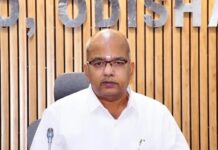
The initiatives undertaken to meet this target were deliberated upon during the 4th Meeting of the High Power Committee on Aviation, chaired by Chief Secretary Manoj Ahuja on Saturday, according to the official.
With a focus on enhancing Odisha’s aviation ecosystem in alignment with the Vision of Vikshit Odisha 2036–47, the committee evaluated the emerging opportunities within the aviation sector and discussed strategies to expedite infrastructure development, improve connectivity, and foster a supportive policy environment. Odisha will mark its 100th year of formation in 2036.
Currently, Odisha has 19 airports or airstrips, of which 12 are owned by the state. However, only five civilian airports are operational at this time – Bhubaneswar, Jharsuguda, Jeypore, Utkela, and Rourkela, as mentioned by the official.
Bhubaneswar is presently the sole international airport in the state, offering connectivity to destinations such as Dubai, Singapore, and Bangkok. The state is actively pursuing the development of an additional international airport in Puri, which will include special zones for aviation, logistics, and more.
The progress regarding the development of airports and airstrips, including the proposed greenfield international airport at Puri, was thoroughly reviewed, he stated.
The government anticipates generating an annual revenue of ₹5,000 crore from aviation-related services by the year 2047, according to the officials.
The meeting highlighted the necessity for a dedicated policy to encourage the establishment of Flight Training Organisations in Odisha, to cultivate a robust talent pool for the aviation sector.
The operational status of the aviation centre at Dhenkanal was also assessed, focusing on its potential to become a central hub for flight training and capacity enhancement.
Additionally, the state is planning to develop a comprehensive aviation policy to streamline regulatory processes, attract private investments, and ensure uniform growth throughout the sector.
Moreover, the Committee deliberated on the recognition of aviation manufacturing and MRO facilities as a priority sector under the Industrial Policy Resolution, aimed at fortifying Odisha’s aviation value chain and attracting new industries to the state.
The chief secretary emphasized the importance of maintaining effective inter-departmental coordination, ensuring timely project execution, and engaging in proactive planning to establish Odisha as a premier aviation hub in eastern India, thereby unlocking new opportunities for tourism, trade, and investment.