









From inequality and gender gaps to cinema, books, and winter traditions, Window Seat captures India’s cultural landscape
Mrinal Chatterjee

Inequality in India is growing
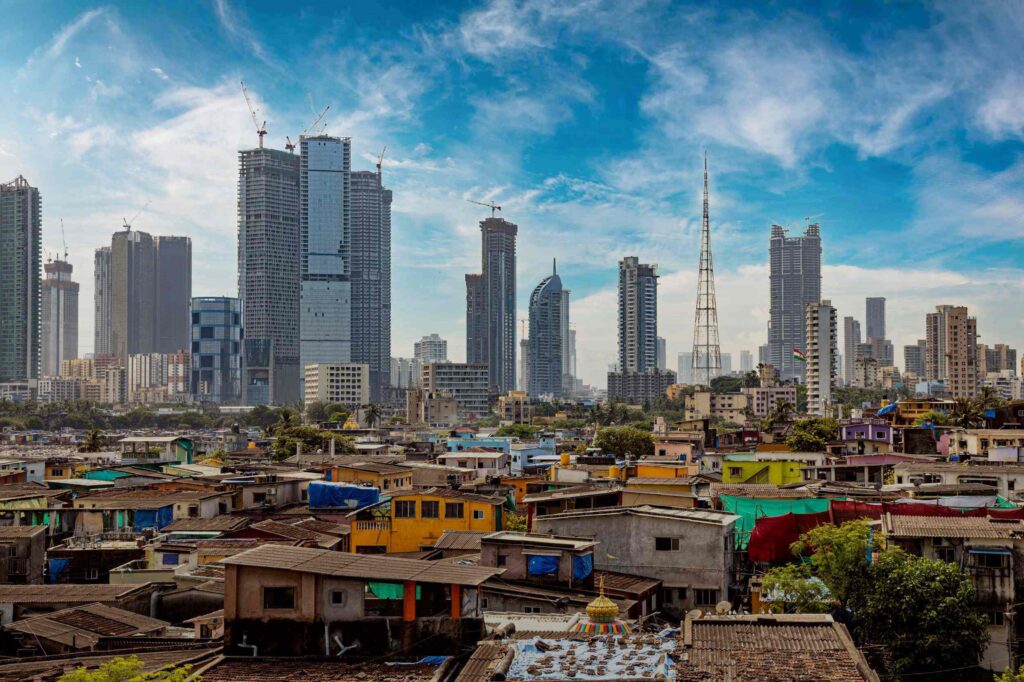
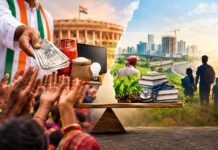
Inequality in India, among the highest in the world, is growing according to the latest World Inequality report released recently. According to the report, the top 10% of earners capture a disproportionate 58% of the national income. In contrast, the bottom 50% of the population receives only 15%. The richest 10% hold around 65% of the nation’s total wealth. The top 1% alone holds about 40% of total wealth.
Another worrisome fact is low Female Labour Force Participation. The female labour force participation rate is only 15.7%, one of the lowest in the world.
Inequality in India has been growing since the 1980s. Presently there are extreme concentrations of income and wealth at the top, while the bottom half struggles, highlighting widening gaps in wealth, income, and gender participation in the workforce, making India one of the most unequal countries globally.
100 years of Battleship Potemkin
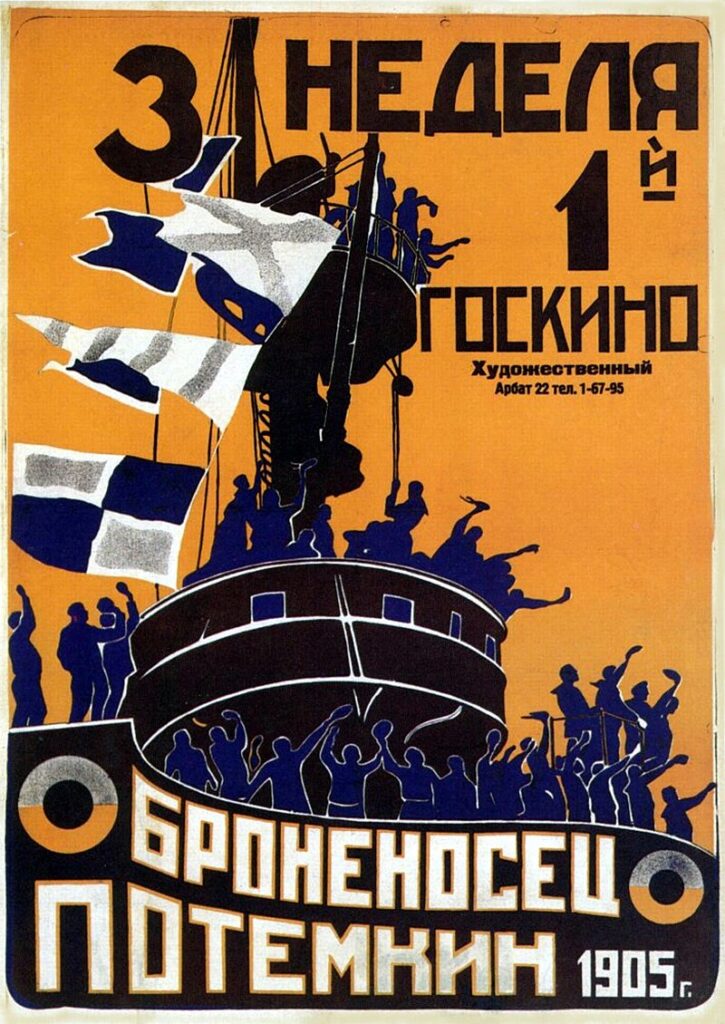
Battleship Potemkin, the iconic silent era Soviet Film directed by Sergei Eisenstein was released on 21 December 1925.
It is a highly influential work of propaganda that dramatizes the 1905 mutiny of the crew of the Russian battleship Potemkin against their oppressive Tsarist officers. The film is celebrated for its innovative use of montage editing to evoke powerful emotional responses from the audience. It influenced countless movies and inspired contemporary screenings with modern scores. It is a ‘must-see’ for all cinema lovers and scholars.
Book Fair
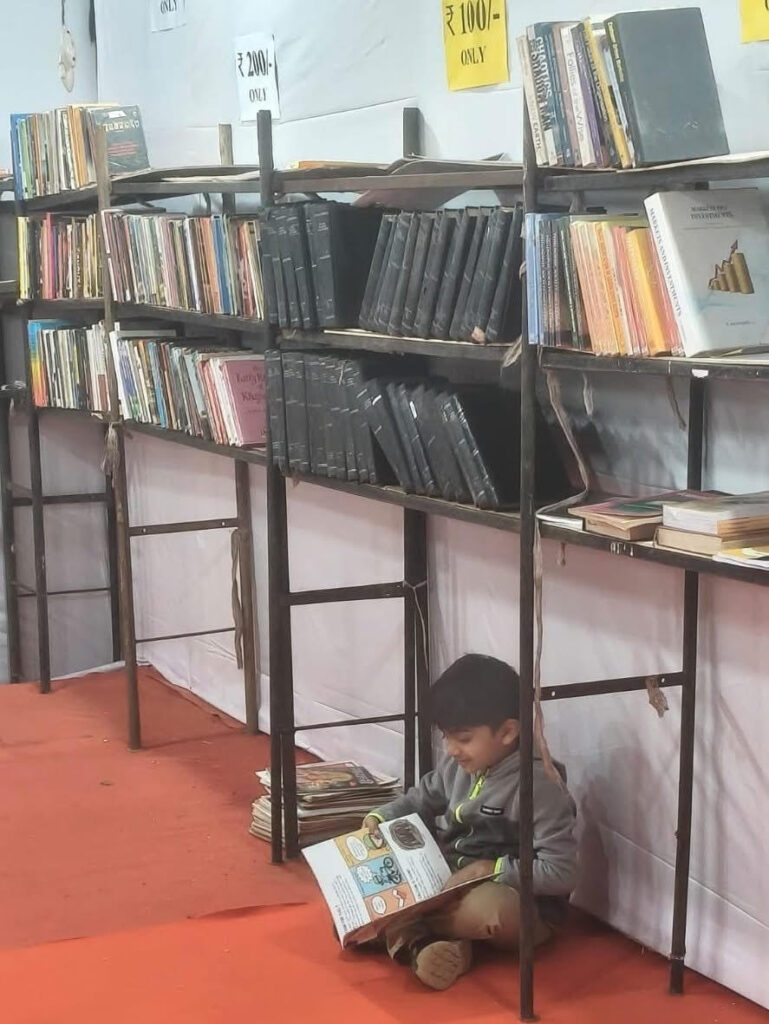
Winter in India – except probably the coldest parts of the country – is also the season for book fairs. Presently book fairs are organised in all parts of the country including rural areas by local initiative or by publishers and booksellers or by the government.
Book fairs have ancient roots, evolving from medieval book markets like the Frankfurt Book Fair, Germany, which began in 15th century. In India Kolkata (then Calcutta) hosted India’s first-ever book fair in 1918 at the College Street. Organized by the National Council of Education as part of the nationalist movement, featuring luminaries like Rabindranath Tagore and Lala Lajpat Rai, it marked a significant early effort in promoting national education and publishing. Post-independence, New Delhi hosted a big book fair in 1972. The International Kolkata Book Fair started in 1976 followed by several book fairs across the country. In Odisha the first book fair was organised by National Book Trust in early eighties followed by Bhubaneswar Pustak Mela organised by Lekhaka Sansad.
Though in recent years book reading habits are waning, book fairs are still popular. It is a place where people come to look and engage with books. Children, particularly, should be encouraged to visit book fairs. As Frank Serafini, an educator and presently Associate Professor of Children’s Literature and Literacy Education at the University of Nevada, Las Vegas has said, there is no such thing as a child who hates to read; there are only children who have not found the right book.
Magis Mantra
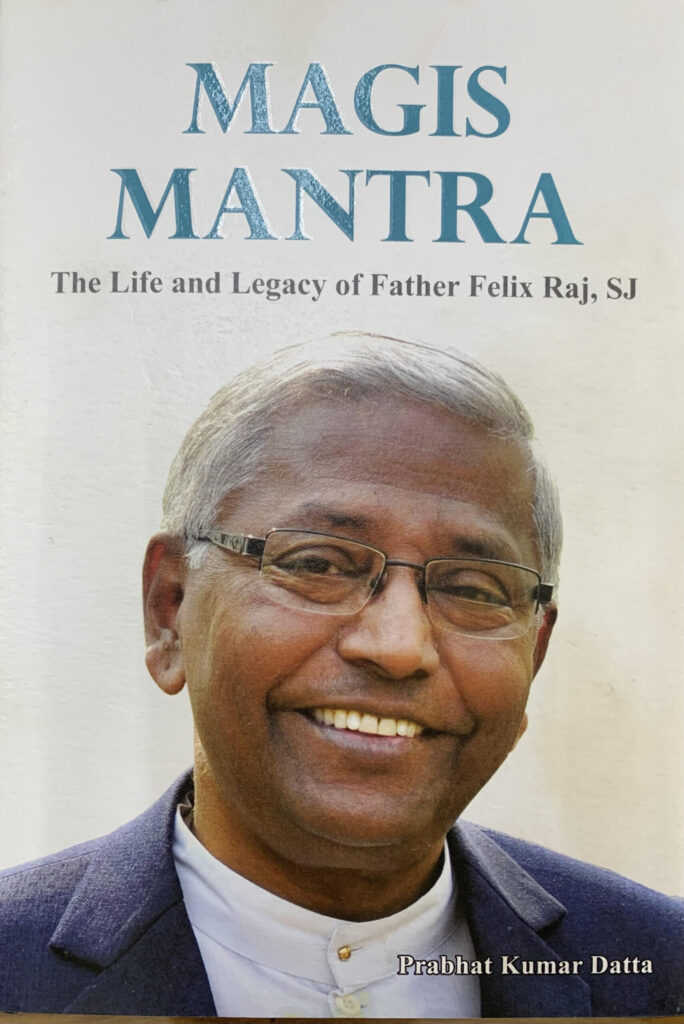
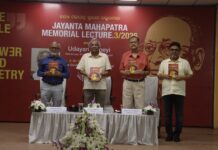
I have known Father Felix (Rev. Dr. John Felix, S.J.) for over one and a half decades. He was the Principal of St. Xavier’s College, Kolkata and then founder Vice Chancellor of St. Xavier’s University, Kolkata.
A Jesuit priest of the Calcutta province, he is known for his multifaceted contributions to education, administration and philanthropy. He has authored and co-authored twelve books.
His achievements have been recognised with several awards including ‘Banga Bibhushan’ and ‘Siksha Ratna’ by the Govt. of West Bengal.
Recently his biography titled ‘Magis Mantra’ authored by Prabhat Kumar Datta, a distinguished scholar in Political Science and Public Administration has been published.
The title of the book summarizes Father Felix’s life. Magis, a latin word, means ‘more’ or ‘greater’. It embodies the Jesuit ethos of selfless dedication to the divine and humanity. Paired with ‘mantra’, a Sanskrit term for guiding principle- it sums up the persona of Father Felix.
Read about the remarkable man, who was born in a small village in Tamil Nadu, and devoted his life for education and philanthropy.
Date Palm Jaggery
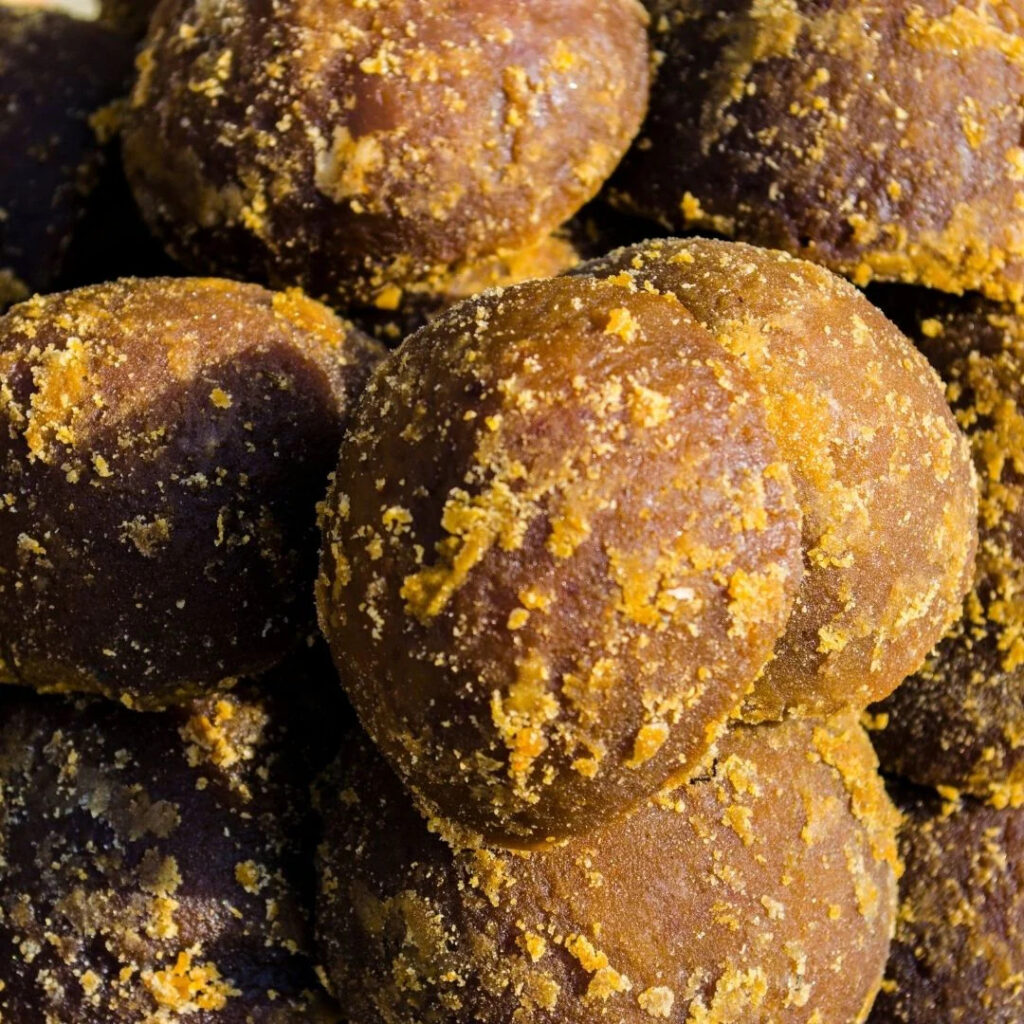
Khejur (Khajuri, in Odia) Gur (Date Palm Jaggery) is a beloved, iconic winter delicacy, known for its rich, smoky, caramel flavor.
Though it is also made in Odisha and parts of undivided Bihar, Bengal has elevated it into an iconic position. Not only it is used in traditional sweets like Payesh and Pitha, it is also used in ‘sandesh’ and various other sweets.
Made from the boiled sap of date palm trees, available in soft (Nolen) and solid (Patali) forms, Date Palm Jaggery is something a Bengali will die for.
My mother ordered me to get some as I went to Santiniketan recently. My driver, a local young man, took me to a place in which it is actually made. The gud-seller insisted I should first taste the sap, and then buy.
I did, and liked it.
(The author is Professor at Indian Institute of Mass Communication, IIMC Dhenkanal. Views expressed are personal.)