















Community support, frontline health workers, and family counselling are transforming newborn care and exclusive breastfeeding in Bargarh, Odisha
OdishaPlus Bureau
When Aruna (name changed) gave birth to her daughter, she was happy but also worried. The baby weighed just 1.9 kilograms at birth, putting her in the low birth weight category and making her more vulnerable to infections and poor growth.
Aruna, a daily wage worker from Paramanandapur village in Bargarh district, had also grown up hearing several traditional beliefs about feeding a newborn. Families around her believed that babies should be given honey or water before breast milk, that colostrum should be thrown away, or that a mother may not have enough milk for a small baby.
“I was frightened that my baby would not survive because she was so small,” Aruna recalls. “The health workers kept telling me to trust my breast milk, feed her only breast milk and not listen to the old myths. Today, when I see my daughter growing well, I tell every new mother that a mother’s milk is the best gift she can give her child.”
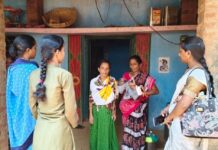
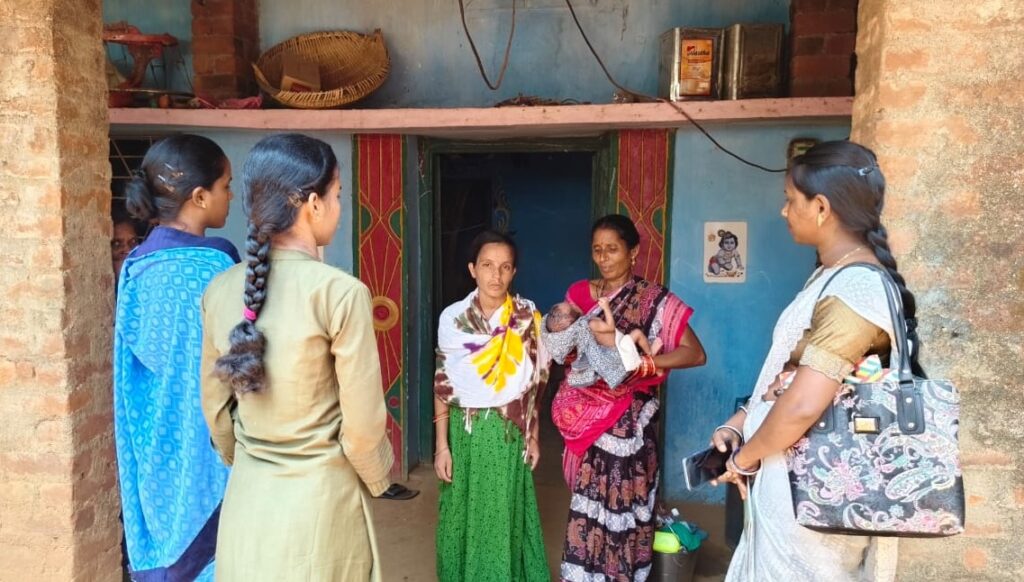
The regular visits by the local ASHA, ANM and community facilitators helped Aruna and her family understand the importance of colostrum, early initiation of breastfeeding and exclusive breastfeeding for the first six months.
Six months later, Aruna’s baby weighed 6.2 kilograms.
Aruna’s daughter’s story is one of several from 36 villages in Bargarh where families are being supported to improve feeding and newborn care practices.
The need for this support is clear. According to NFHS-6, while 95.6 percent of infants below six months in India are breastfed, only 55.8 percent are exclusively breastfed. This is a decline from 63.7 percent in NFHS-5. Odisha is ahead of the national figure, with 66.7 percent of infants exclusively breastfed, but this too has fallen from the previous survey.
Early initiation of breastfeeding is another concern. Only about half of newborns in India are breastfed within the first hour after birth. Odisha does better than the national average, but the state has also seen a decline in this practice.
In this context, the experience of 168 mothers in Bargarh stands out: every infant tracked under the intervention was exclusively breastfed for the first six months.
During the past year, 215 pregnant women across 36 villages were counselled, and 168 mothers were followed through pregnancy and after childbirth. Of these, 34 babies were born with low birth weight. More than 430 home visits were made by frontline workers. They helped families prepare for delivery, encouraged immediate breastfeeding and spoke to fathers, grandmothers and mothers-in-law as well as mothers.
A big part of the work was also about addressing beliefs that had been passed down through generations. Some families believed that colostrum was impure or that a newborn needed honey, water or animal milk soon after birth. Many mothers also worried that they did not have enough breast milk.
Regular conversations, breastfeeding demonstrations during Village Health, Sanitation and Nutrition Days, quizzes, sharing of success stories and repeated home visits helped families look at these practices differently. The result was that all 168 infants—100 percent—were exclusively breastfed for the first six months.
The figure is particularly significant because 34 of these babies were born with low birth weight and needed closer attention.
For some of these babies, the change in weight has been significant.
Meera’s (name changed) son weighed 2.1 kilograms at birth. With exclusive breastfeeding and regular follow-up, he reached 3.2 kilograms. Aaru (name changed) was born weighing 1.9 kilograms. His parents initially had to overcome traditional beliefs and outside advice, but with continued counselling, they followed exclusive breastfeeding. He now weighs 4.5 kilograms. Sumi (name changed), who weighed 2 kilograms at birth, has also shown steady growth and now weighs 4.6 kilograms.
“The biggest fear for parents of low birth weight babies is whether the child will survive,” says a frontline health worker associated with the programme. “Once families understand the importance of immediate and exclusive breastfeeding, they become much more confident in caring for their newborns.”
Hiralal Mishra, Project Coordinator, Palli Alok Pathagar, has seen this change among families. “Earlier, parents of low birth weight babies were anxious and uncertain. Through regular counselling by ASHAs and ANMs on exclusive breastfeeding and Kangaroo Mother Care, families have gained confidence. We have seen children gain weight steadily and parents become more proactive in seeking healthcare,” he says.
For Mohua Chatterjee, Program Head (East), CRY, one of the important lessons is that breastfeeding cannot be left to mothers alone. “Breastfeeding is often viewed as the mother’s responsibility alone. Our experience shows that it is a community effort. When frontline workers, families and communities come together to support a mother, even babies born with low birth weight can have a better chance of surviving and growing well. These experiences show why counselling and support at the community level are so important,” she says.
The intervention has focused on staying with families through pregnancy and after childbirth rather than limiting counselling to a single visit. Birth plans, home visits, breastfeeding discussions, demonstrations and family meetings have all been part of the process. For families living on daily wages or marginal farming, exclusive breastfeeding also has another advantage—it costs nothing. But what mothers often need is the confidence to continue, especially when family members or traditional beliefs tell them otherwise.
As the country moves from World Breastfeeding Week towards Poshan Maah in September, the experience of these families in Bargarh offers a simple lesson: good nutrition for a child can begin with helping a mother feel confident about doing what is best for her baby.
Sometimes, that support can start with something as simple as a health worker knocking on the door.