
















Renowned Odia painter and former Odisha Lalit Kala Akademi President Jagdish Chandra Kanungo passes away, leaving behind a rich legacy in modern art
OdishaPlus Bureau
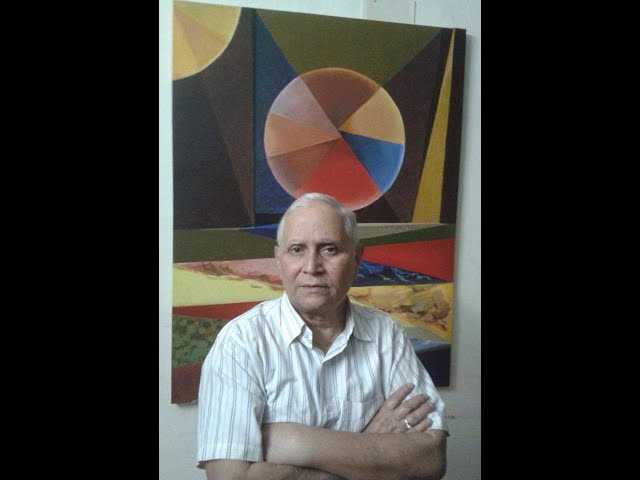
Renowned Odia painter, visual artist and art administrator Jagdish Chandra Kanungo, a pioneering figure in Odisha’s post-Independence contemporary art movement, has passed away. His death marks the end of a significant chapter in the evolution of modern art and art institutions in the State.
Kanungo belonged to the pioneering generation of Odia artists who helped move Odisha’s visual culture beyond its classical traditions into the vocabulary of modern Indian art. He studied at the historic Government School of Art and Craft, Khallikote, founded in 1957 and regarded as an important centre for the development of modern and contemporary art in Odisha.
He emerged from a generation that included artists such as Siba Panigrahi, Dinanath Pathy and Kashinath Jena, who came under the influence of modern masters including Ajit Keshari Ray and Sarat Chandra Deo. Together, this generation negotiated between Odisha’s rich artistic inheritance and the emerging idioms of modernism.
Kanungo’s contribution, however, extended well beyond his own artistic practice. He was deeply involved in building institutions and creating opportunities for artists in the State. He served as President of the Odisha Lalit Kala Akademi, apart from holding important responsibilities as its former Secretary and Gallery Supervisor.
As an administrator and organiser, he worked consistently towards strengthening Odisha’s art infrastructure, promoting exhibitions and galleries, documenting the work of artists and preserving the legacy of the State’s masters. His editorial contribution was also significant. In 1986, he edited the fifth volume of Rangarekha, the Odisha Lalit Kala Akademi publication devoted to documenting the history, lives and contributions of important Odia artists.
As a painter, Kanungo’s work reflected the changing currents of post-Independence Indian modernism while retaining a strong connection with Odisha. Local culture, landscapes, human forms, and social realities informed his artistic vision. His practice demonstrated an engagement with both tradition and contemporary expression.
Kanungo was equally passionate about ensuring that Odisha’s senior and often under-recognised artists received their due place in art history. He frequently spoke about the contribution of master artists and sought to bring their work to wider public attention. On one occasion, he described painter Muralidhar Tali as the “Rembrandt of Odisha”, a tribute to Tali’s emotional realism and command of oil painting.
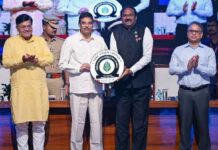
His contribution to Odisha’s art world was recognised with several major honours. In 2018, the Odisha Lalit Kala Akademi conferred on him the Dharmapada Samman, the State’s highest honour for lifetime achievement in fine arts and visual media. The award carried a cash prize of ₹5 lakh, besides a citation and shawl.
In 2021, he received the Ila-Banshidhar Panda Kala Samman from the Indian Metals Public Charitable Trust (IMPaCT) for excellence and lifetime contribution to the field of art.
For Kanungo, art was not confined to the studio or the gallery. It was also about creating an ecosystem in which artists could work, exhibit, exchange ideas, and preserve their cultural memory. His long association with the Odisha Lalit Kala Akademi and his efforts to develop galleries and art infrastructure reflected that larger commitment.
His passing leaves behind not only a body of artistic work but also an institutional legacy. For generations of artists and art enthusiasts in Odisha, Jagdish Chandra Kanungo represented a bridge between the pioneers of modern Odisha and the contemporary art community that followed them.
His life and work will therefore be remembered not merely as those of a painter, but as those of an institution-builder, chronicler, mentor, and passionate advocate of Odisha’s visual heritage.