


























On World Heart Day 2026, cardiologists explain heart disease risks, warning signs and lifestyle measures that can help protect cardiovascular health
Sourav Prakash Das, Priyanka Sucharita & Sitansu Sekhar Sutar
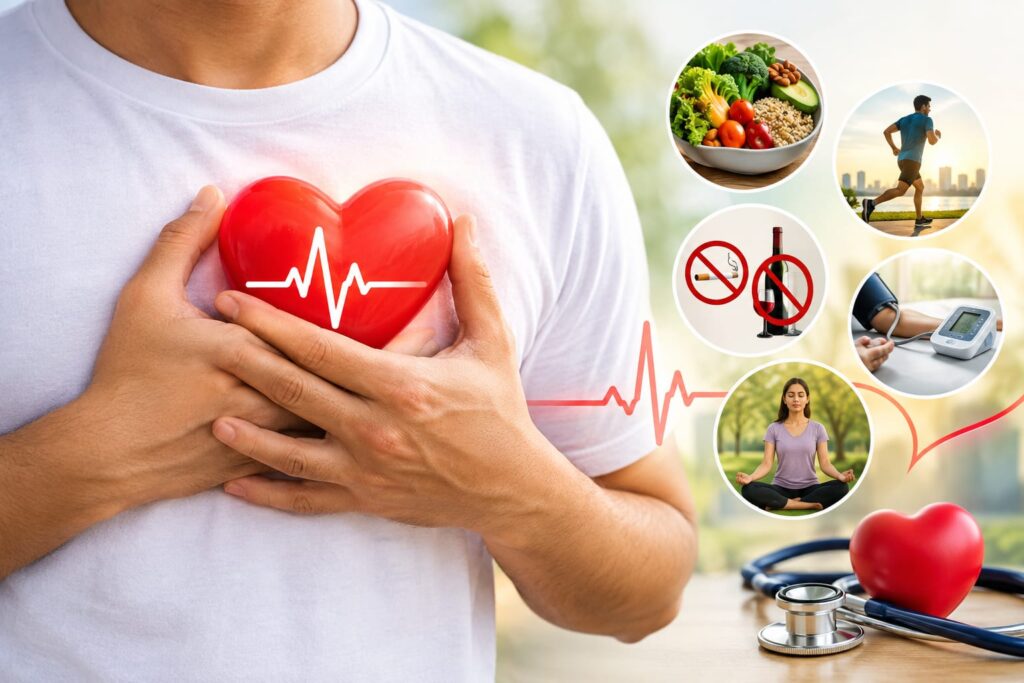
A healthy lifestyle starts with a healthy heart. Yet, cardiovascular diseases (CVDs) remain the world’s leading cause of death, claiming more than 20.5 million lives annually, according to the World Heart Federation. Around 85% of these deaths are caused by heart attacks and strokes, underscoring the importance of prevention, early detection and timely treatment.
The burden is particularly significant in India. The World Heart Federation’s latest country profile records more than 3.16 million annual CVD deaths in India, highlighting the scale of the country’s heart-health challenge. The Indian Council of Medical Research (ICMR) has also reported that CVDs account for 28.1% of deaths in India, with ischemic heart disease and stroke contributing to a significant share.
Several CVD risk factors can be prevented or managed, including unhealthy diets, physical inactivity, tobacco use, high blood pressure, high cholesterol, diabetes and obesity. Regular physical activity, nutritious food choices, avoiding tobacco, and monitoring blood pressure, blood sugar and cholesterol can help protect heart health. Understanding these risks and their effects on the heart is an important step towards prevention.
Observed every year on September 29, World Heart Day raises awareness about cardiovascular diseases and encourages action for better heart health. In 2026, the World Heart Federation’s “Don’t Miss a Beat” campaign focuses on recognising CVD signs and symptoms, prevention and prioritising heart health, while encouraging physical activity, healthier nutrition and mindfulness in daily life. The focus on awareness and prevention is particularly relevant as several heart disease risk factors are increasingly linked to everyday lifestyle choices.
To provide greater insights for digital public awareness into heart health and cardiovascular risks, Swasthya Plus Network, South Asia’s largest multi-lingual health media network, interacted with some renowned cardiologists in Bhubaneswar.
Dr Subhasis Mishra identified high cholesterol, diabetes and high blood pressure as major risk factors for heart disease, while noting that unhealthy lifestyle habits are increasingly affecting younger people.
“High bad cholesterol can cause fat to accumulate inside the blood vessels and increase the risk of a heart attack, regardless of whether a person is overweight or thin. Diabetes can also alter blood fats and cause fat accumulation in the coronary arteries, even when cholesterol levels do not appear very high. High blood pressure is another important risk factor. We are increasingly seeing these problems among younger people due to sedentary lifestyles, lack of exercise, poor dietary habits, fast food and eating out. Smoking and alcohol consumption are also significant risk factors, and these habits are gradually becoming more common among younger women,” he said.
While managing risk factors can help prevent heart disease, recognising the warning signs of a heart attack and seeking timely medical attention are equally important. Cardiologist Dr J K Padhi emphasised that a sudden or unexplained decline in stamina or physical capacity should not be overlooked.
“One of the early warning signs can be a reduction in stamina or exercise capacity. If you are unable to perform your usual activities, such as climbing stairs or going for your regular morning walk, you should pay attention to it. Chest pain is one of the most common symptoms, although it does not occur in everyone. Heart-related chest pain can extend from the jawline down to the upper abdomen and should not simply be mistaken for acidity. If the pain persists even after taking an antacid, it could be heart-related. Cold sweating, extreme weakness, dizziness, breathlessness and rapid or strong heartbeats can also be warning signs. These symptoms should not be ignored,” he said.
Alongside recognising symptoms, it is important to understand which heart disease risk factors can be changed and which cannot. Dr Mahendra Prasad Tripathy explained that while age, sex, genetics and family history are non-modifiable, several other risks can be managed through lifestyle choices and timely medical care.
“There are several risk factors that we can control through our own efforts. These include maintaining healthy dietary habits, keeping cholesterol levels low, stopping tobacco consumption in any form and avoiding alcohol. Early detection and treatment of high blood pressure and diabetes are also very important. Managing obesity and getting regular exercise can further help reduce the risk of heart disease. However, some risk factors cannot be changed or controlled, including age, sex, genetics and a family history of coronary artery disease. Since we cannot modify these factors, it is important to focus on the risks that are within our control,” he said.
Taking the heart-health message to a wider audience, Bhubaneswar-based non-profit IFI Foundation, in association with Swasthya Plus Network and OdishaLIVE, conducted a digital awareness campaign from September 27 to 29 to mark World Heart Day 2026. The campaign focused on raising awareness about cardiovascular health, heart disease prevention and the importance of timely action. aml Communications served as the communications partner for the campaign.
As part of the campaign, multiple informative short videos and creative cards were produced and shared across various digital channels. The campaign aimed to create greater awareness about the warning signs and symptoms of a heart attack, cardiovascular risk factors and simple ways to maintain a healthy heart.
By encouraging people to recognise warning signs, make healthier choices and seek timely medical attention, such initiatives can help turn heart health awareness into everyday action.
(The authors are communications professionals specialising in content writing, digital journalism and public relations. Views expressed are personal.)