












Odisha Cabinet approves ₹2,995-crore MMJJM 2.0 to benefit 8 lakh tribal and PVTG households through livelihood support, DBT assistance and rural development
OdishaPlus Bureau
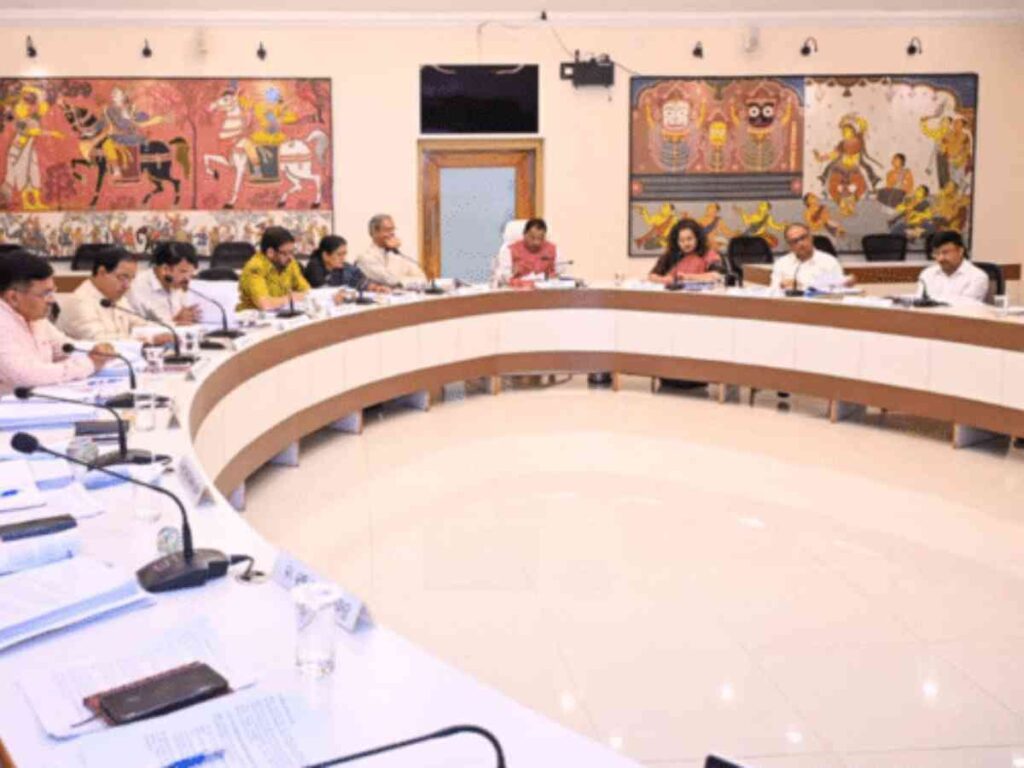
The Odisha Cabinet on Saturday approved the second phase of the Mukhya Mantri Janajati Jeevika Mission (MMJJM) 2.0, a ₹2,995-crore flagship programme aimed at strengthening livelihoods and improving the socio-economic conditions of around eight lakh tribal and Particularly Vulnerable Tribal Group (PVTG) households across the State.
The programme, chaired by Chief Minister Mohan Charan Majhi, will be implemented over five years from 2026-27 to 2030-31 and will be fully funded by the State government.
Briefing reporters after the Cabinet meeting, Chief Secretary Anu Garg said the mission will cover tribal families across 19 districts, 134 Tribal Sub-Plan (TSP) and micro-project area blocks, 23 Integrated Tribal Development Agencies (ITDAs) and 20 micro-project areas.
The first phase of the mission is currently being implemented in 13 districts, benefiting around 1.5 lakh tribal households.
Under MMJJM 2.0, each beneficiary household will receive ₹30,000 in financial assistance in two instalments through the Direct Benefit Transfer (DBT) system.
Garg said the scheme adopts a beneficiary-centric approach, allowing tribal families to select livelihood activities based on local resources, market opportunities and their own preferences.
The mission will support a wide range of livelihood activities, including agriculture, livestock rearing, fisheries, sericulture, forest-based enterprises, non-timber forest produce (NTFP) value chains, handloom, handicrafts, traditional arts and rural entrepreneurship. It also envisages the creation of irrigation facilities, post-harvest infrastructure, and storage, processing and marketing systems to strengthen the rural livelihood ecosystem.
A key feature of MMJJM 2.0 is its special focus on the welfare of Particularly Vulnerable Tribal Groups (PVTGs).
The Cabinet approved dedicated interventions, including nutritional support for children, pregnant women and lactating mothers, as well as crèche facilities in PVTG habitations.
To address critical infrastructure gaps in these areas, the government has also approved a ₹500-crore flexi fund, which will finance projects identified through a bottom-up planning process.
According to the Chief Secretary, MMJJM 2.0 aims to significantly enhance household incomes, promote scientific farming practices, strengthen community institutions and encourage entrepreneurship in tribal areas.
The programme is also expected to improve value addition, expand market access for tribal products and ensure inclusive and sustainable development of tribal communities across Odisha.