
























Latest NFHS-6 data reveals a mixed picture of child nutrition in Odisha, showing a decline in stunting alongside a worrying rise in wasting and underweight
OdishaPlus Bureau
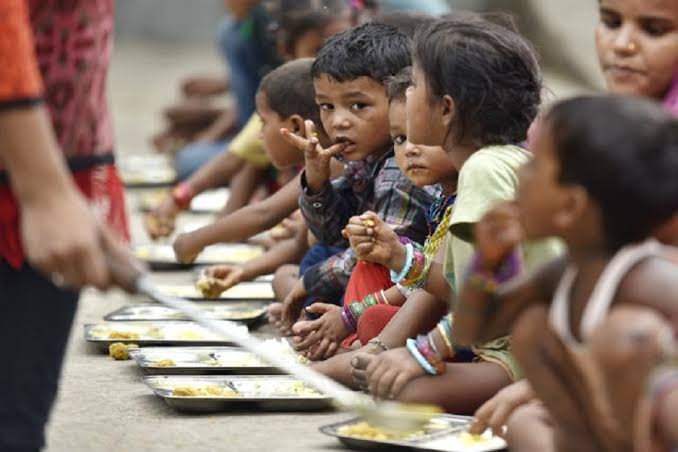
Odisha has made progress in reducing stunting among children under five, but the latest National Family Health Survey data point to a worrying rise in wasting and underweight, presenting a mixed picture of child nutrition in the state.
The comparison between NFHS-5 and NFHS-6 shows that the prevalence of stunting declined from 31 per cent to 26.8 per cent, an improvement of 4.2 percentage points. As many as 24 of the state’s 30 districts recorded a decline.
Sambalpur registered the most significant improvement, with stunting falling from 40.7 per cent to 24.3 per cent—a reduction of 16.4 percentage points. Bhadrak and Baragada also recorded substantial declines.
However, six districts reported an increase. Balangir witnessed the sharpest rise, from 32.7 per cent to 36.4 per cent. Rayagada recorded the highest level of stunting in NFHS-6 at 47.2 per cent, followed by Nuapada at 43.1 per cent, Koraput at 38.7 per cent, Malkangiri at 37.3 per cent and Balangir at 36.4 per cent.
The trend in wasting, which indicates acute undernutrition, is more concerning. At the state level, wasting increased from 18.1 per cent in NFHS-5 to 22.1 per cent in NFHS-6, a deterioration of four percentage points. Only nine districts recorded an improvement, while 22 saw an increase.
Malkangiri reported the largest rise, from 19.3 per cent to 30.7 per cent. Mayurbhanj recorded the highest level at 33 per cent, followed by Kendujhar at 31.6 per cent and Malkangiri at 30.7 per cent.
There was a marginal improvement in severe wasting, which declined from 6.1 per cent to 5.8 per cent at the state level. Fifteen districts recorded a decline while 15 reported an increase. Kandhamal registered the largest improvement, with severe wasting falling from 12.4 per cent to 3.1 per cent.
However, Gajapati saw a sharp increase from 4.3 per cent to 9.1 per cent. Mayurbhanj and Kendujhar recorded particularly high NFHS-6 levels at 10.8 per cent and 10 per cent, respectively.
The picture is also worrying on underweight children. The state-level proportion increased from 29.7 per cent to 31.6 per cent. Seventeen districts recorded deterioration, while 14 showed improvement. Baleshwar reported the largest increase, from 22.6 per cent to 33.7 per cent.
Rayagada had the highest proportion of underweight children at 46.8 per cent, followed by Malkangiri at 46.1 per cent, Kendujhar at 45.2 per cent, Mayurbhanj at 44.3 per cent and Koraput at 42.7 per cent.
At the same time, the proportion of children classified as overweight declined from 3.5 per cent to 2.1 per cent, with 24 districts recording a reduction. Yet relatively higher levels persisted in Kendrapada at 6.4 per cent, Jagatsinghpur at 5.8 per cent, Khordha at 5.2 per cent and Puri at 4.8 per cent.
The NFHS-5 and NFHS-6 comparison therefore underlines a complex nutritional challenge for Odisha. While the decline in stunting represents significant progress, the rise in wasting and underweight suggests that acute and broader forms of undernutrition remain major concerns. The wide district-level variations also point to the need for geographically targeted nutrition interventions rather than a uniform approach across the state.