



















A strong value chain is the lifeline of organic farming, connecting small farms to big possibilities, from soil to shelf
Sujitav Dash
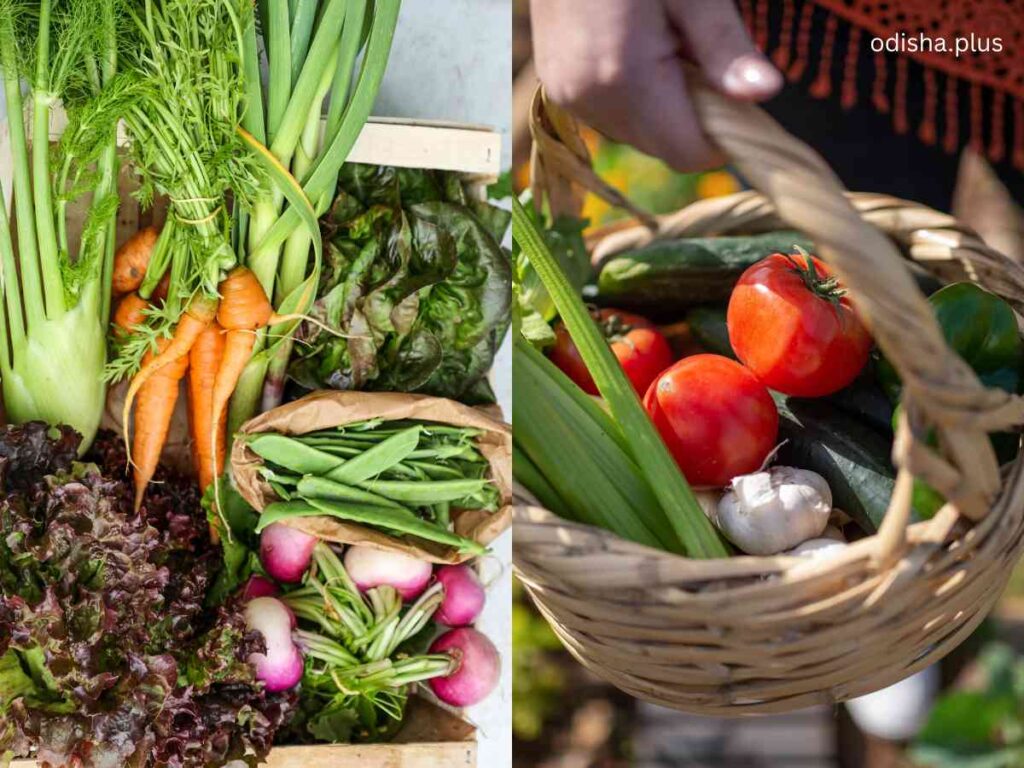
Organic farming presents a transformative opportunity for smallholder farmers in rural areas—boosting incomes, restoring soil health, and providing safe food to consumers. However, to realize its full potential, a well-integrated value chain from seed to market is essential.
It starts with access to organic-certified seeds and natural inputs like compost and bio-pesticides. Community-managed seed banks and training on organic methods can empower farmers at the grassroots. Once production begins, adopting traditional techniques such as crop rotation and intercropping helps maintain ecological balance and reduce costs.
Post-harvest handling is crucial—simple infrastructure like drying yards, pack-houses, and cold storage can preserve quality and reduce waste. Certification, either through the cost-effective Participatory Guarantee System (PGS) or third-party mechanisms, ensures traceability and market trust.
Farmer aggregation through Farmer Producer Organizations (FPOs) enables bulk processing and value addition, such as flour milling or cold-pressed oils. Reliable logistics, including shared rural transport, bridges the gap to local markets and consumers.
Marketing organic produce requires strategic branding, smart packaging, and digital platforms. Local organic haats, school canteens, and direct-to-consumer channels can generate consistent demand. Educating consumers through fairs, food festivals, and health campaigns enhances awareness and market uptake.
Cross-cutting support—training, digital tools, credit access, and government schemes—strengthens the value chain. By connecting each link effectively, we can build a resilient organic ecosystem that benefits farmers, consumers, and the planet.
Together, let’s empower smallholder organic farmers to grow, connect, and thrive—from seed to plate.
(The writer was with NIBM , Pune and an economist. Views are personal.)