
























The newly launched Odisha State Cooperation Policy 2026 promises a structural overhaul of the sector, blending a century-old legacy with modern digital and entrepreneurial ambitions to drive inclusive economic growth
Nilambar Rath
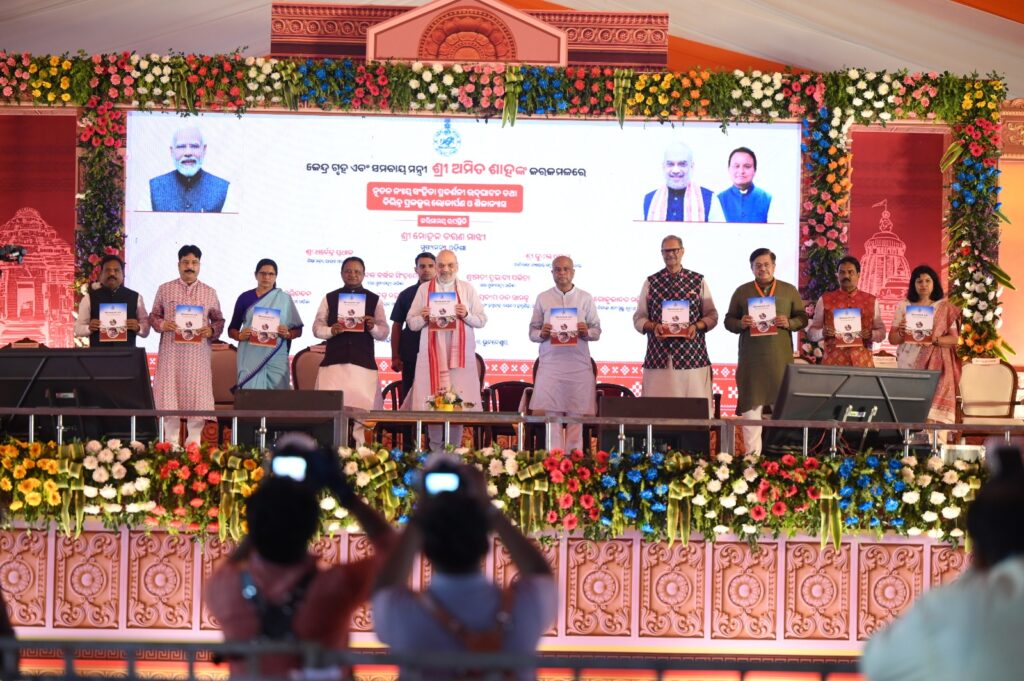
The spirit of cooperation is deeply woven into the socio-economic fabric of Odisha. The genesis of this movement in the state dates back to 1898 in Cuttack, spearheaded by Utkalgourav Madhusudan Das. Widely considered the father of the Indian Cooperative Movement, Madhu Babu was also the grand old man whose vision led to the formation of Odisha as India’s first language-based province in 1936.
As the state approaches the 100-year milestone of its existence in 2036—a timeline set by the present government for achieving a fully developed Odisha—the cooperative sector is once again being positioned as the prime engine for this historic transformation.
Aligning with the Union Government’s overarching vision of ‘Sahkar Se Samriddhi’ (Prosperity through Cooperation), the Government of Odisha has officially launched the comprehensive “Odisha State Cooperation Policy 2026”. Odisha becomes the first state in the country to adopt a dedicated State Cooperation Policy following the release of the National Policy.
During the recent launch of the policy in Bhubaneswar, Union Cooperation Minister Amit Shah emphasized the national significance of this move, stating: “I am fully confident that the Odisha State Cooperation Policy, 2026, will serve as an effective and forward-looking guide, energizing the State’s cooperative ecosystem, enhancing coordination among stakeholders, and accelerating the goals of inclusive development in the State. With firm resolve and effective implementation, this policy will also make a significant contribution towards the national goal of ‘Viksit Bharat @ 2047′”.
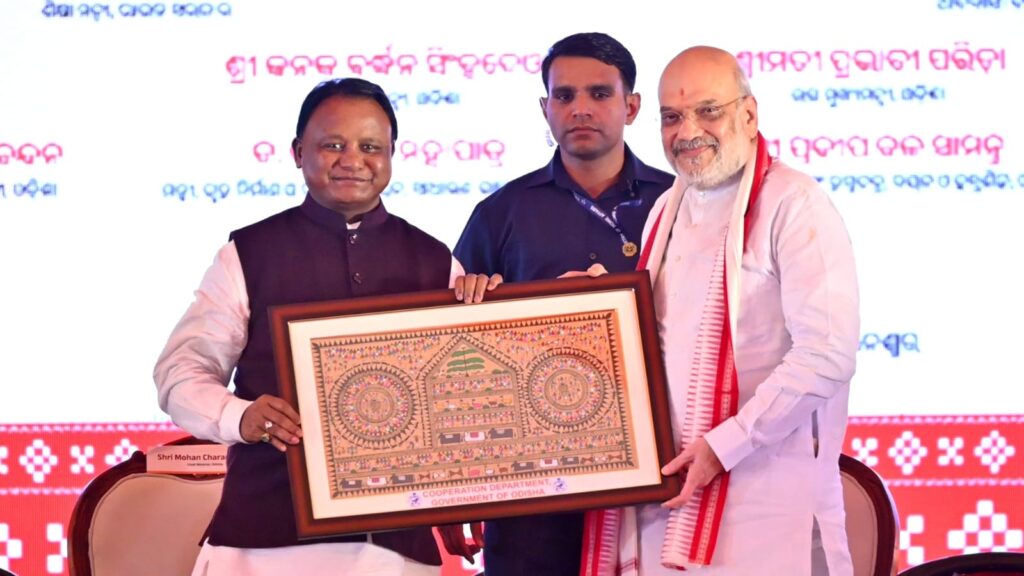
The Mission and Leadership Vision
The core mission of the 2026 policy is to achieve balanced, overall development by instilling good governance, promoting ease of doing business, encouraging youth and women, and adopting circular economic principles. It signals a shift from traditional models to a highly dynamic ecosystem.
Odisha Chief Minister Mohan Charan Majhi outlined this transformative expectation, stating: “Aligned with our long-term vision of Vision Odisha 2036/2047 – ‘Viksit Odisha for Viksit Bharat,’ the Policy seeks to empower cooperatives to play a leading role in rural transformation, employment generation, and social equity… I am confident that this Policy will usher in a new era of cooperative-led development in Odisha”.
This administrative focus on modernizing the sector is welcome. Odisha Chief Secretary Anu Garg, who brings a wide developmental experience having previously served as the state’s Development Commissioner, highlighted the structural shifts required: “The Policy emphasizes transparency, professionalism, digital enablement, and convergence across departments-elements that are essential for enhancing the credibility, efficiency, and service delivery capacity of cooperatives”.
Pradeep Bal Samant, Minister of the Department of Cooperation, further reinforced this proactive stance. In a message posted to policy document, he noted that as the first state to follow the National Policy, Odisha has demonstrated its “commitment to proactive reform and cooperative-led development” and that the framework “seeks to transform cooperatives into vibrant, self-reliant, and competitive institutions capable of responding to the aspirations of farmers, artisans, women, youth, and other stakeholders”.
The Seven Pillars: Summarizing the Outcomes
To turn this ambitious mission into reality, the policy is structured around seven strategic pillars. Rather than just making incremental updates, these pillars target massive modernization and structural overhauls:
- Strengthening the Foundation: Ensuring a cooperative presence in every village and establishing a District Central Cooperative Bank in all 30 districts by 2036.
- Promoting Vibrancy: Establishing a ‘State Cooperative Revival and Restructuring Fund’ and developing at least 30 Model Cooperative Villages to showcase resilient business practices.
- Making Cooperatives Future-Ready: Deploying the ‘Odisha Cooperative Digital Stack (OCDS)’ and establishing a ‘State Cooperative University’. The policy also mandates digital commerce integration via GeM, ONDC, e-NAM, and the upcoming ‘Odisha Mart’ portal.
- Promoting Inclusivity: Mainstreaming cooperative values into school and vocational curricula while mandating active representation for women and marginalized communities.
- Entering Emerging Sectors: Facilitating cooperative entry into renewable energy, waste management, and circular economy practices.
- Shaping the Young Generation: Formalizing career pathways by establishing the ‘Odisha Cooperative Employment Exchange (OCEE)’ portal and a dedicated recruitment board.
- Strengthening Cooperative Governance: Setting up a dedicated Cooperative Vigilance Unit (CVU) and grievance redressal systems to guarantee operational transparency.
Catalyzing Agri-Business and Rural Startups
While the policy spans multiple sectors, its most disruptive potential lies at the intersection of agriculture and the startup ecosystem. Historically, Primary Agricultural Credit Societies (PACS) focused heavily on input supply and credit. The new mandate pivots these institutions into tech-enabled “multi-service rural business centres”.
Cooperatives are now heavily incentivized to adopt climate-resilient agriculture, agroforestry, organic farming, and green financing.
Furthermore, the policy acts as a direct incubator for youth entrepreneurship. Recognizing the need for fresh perspectives, the government will deploy a ‘Cooperative Start-Up Fund’. By setting up incubation centers within identified Centres of Excellence and hosting dynamic ‘Coopathons’ at universities, the state aims to effectively merging the traditional, community-focused cooperative model with modern startup agility.
If implemented with the right spirit, the Odisha State Cooperation Policy 2026 can become an economic catalyst towards the holistic development of the state with a focus on rural empowerment. By integrating digital transformation, professional governance, and promoting startup culture and other rural enterprises, Odisha can position its cooperative sector as the ultimate engine for regional prosperity and a vital contributor to the broader vision of a Viksit Bharat.
(Nilambar Rath is the Founder Editor & CEO of OdishaLIVE Media Network and the Founder & CEO of aml Communications. As a senior journalist and strategic & development communication specialist, he is deeply involved in spearheading social impact initiatives and campaigns.)