






















Explore the staggering costs of modern conflict. From the Russia-Ukraine war to the 2026 SIPRI arms report, analyze how the “war economy” shapes our global future
Tejeswar Patnaik
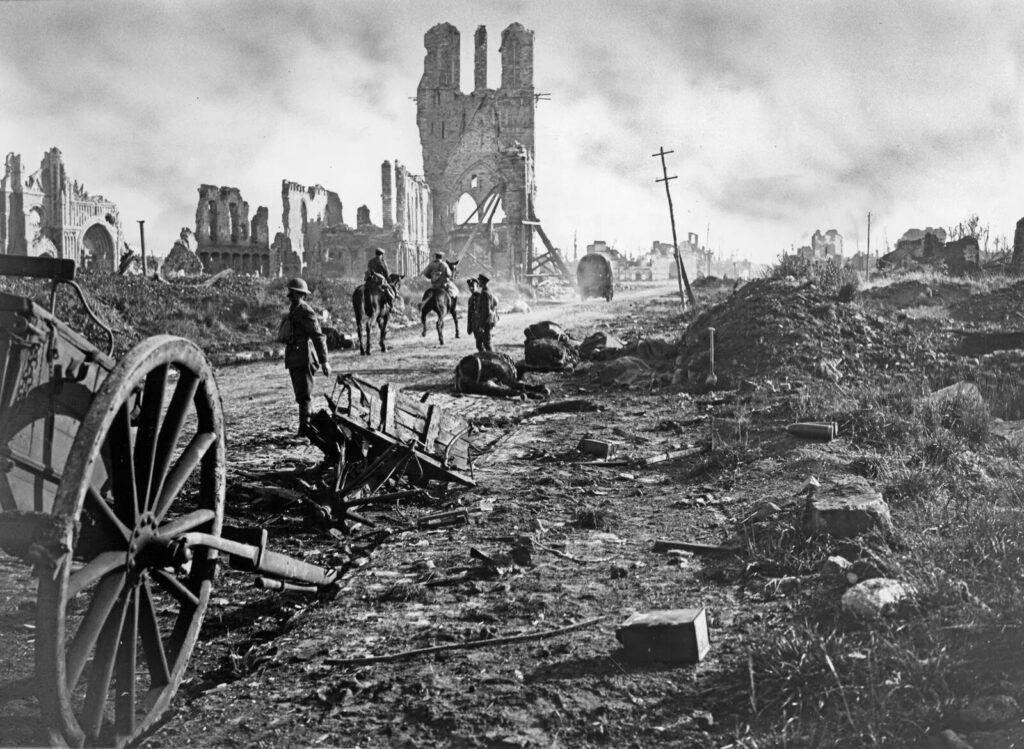
The world today is witnessing a surge in military conflicts across multiple regions. In West Asia, growing tensions have led to airstrikes by the United States and Israel on Iran, while the prolonged war between Russia and Ukraine continues to devastate Europe. In South Asia, India and Pakistan experienced a brief conflict in 2025, and tensions between Pakistan and Afghanistan have remained frequent this year. This evolving geopolitical landscape is increasingly described as a “war economy,” where ordinary people bear the financial burden of conflict, while arms manufacturers capture profits.
History offers sobering lessons about the consequences of war. The First and Second World Wars (1914–18 and 1939–45) were catastrophic global conflicts driven by the pursuit of dominance and territorial expansion. The First World War ended with the defeat of the Central Powers and marked the rise of the United States as a global power, but at the cost of millions of lives. The Second World War was even more destructive, resulting in an estimated 70–85 million deaths, including massive civilian casualties caused by genocides and bombings. Both wars left economies shattered and infrastructure in ruins, reshaping the global order.
Conflicts, often rooted in territorial disputes or competition for resources, extend their impact far beyond the battlefield. They disrupt supply chains, fuel inflation, reduce productivity, and lead to large-scale displacement of populations. Even in the post-World War II era, regional conflicts across continents have led to instability and humanitarian crises. In recent times, cyber warfare has added a new dimension, imposing significant economic and strategic costs on nations without conventional combat.
The economic burden of modern warfare is staggering. The ongoing conflict involving the United States and Israel against Iran is estimated to have cost over $12 billion within just the first two weeks. Similarly, the Russia–Ukraine war continues to drain both nations. Ukraine is projected to require nearly $588 billion over the next decade for reconstruction—almost three times its GDP—and needs around $5 billion per month to sustain military operations. Russia, too, faces heavy financial strain, with daily war expenditures estimated between half a billion and one billion US dollars.
These conflicts have had far-reaching global economic consequences. Rising inflation has become a common feature, exacerbated by disruptions in energy markets. As tensions involving Iran escalate, oil prices have surged to nearly $115 per barrel, placing additional strain on economies worldwide. While common citizens grapple with rising cost of living, major defence contractors—particularly in the United States—emerge as significant beneficiaries of prolonged conflicts.
Renowned thinker and author Noam Chomsky has argued that governments often shape public opinion in favour of war by invoking fear, nationalism, and perceived external threats. He has suggested that the United States, in particular, has historically amplified threats from countries like China and Russia to justify its military actions. Historical data indicates that between 1970 and 2000, the United States intervened in the internal affairs of over 70 countries. Chomsky has been critical of what he describes as a “paranoid style” in American strategic thinking.
Recent data from the Stockholm International Peace Research Institute (SIPRI), released in March 2026, provides further insight into global militarisation trends. The report reveals that global arms transfers increased by 9.2% during 2021–2025 compared to 2016–2020—the highest rise since 2011–2015. This surge has been driven largely by demand in Europe, where NATO countries have tripled their arms imports due to perceived threats from Russia. Europe now accounts for approximately 33% of global arms imports.
The United States continues to dominate as the world’s largest arms exporter, accounting for 42% of global exports. Other major exporters include France, Germany, and Russia, highlighting the competitive nature of the global arms market in an increasingly multipolar world. For the United States, arms exports are not merely economic transactions but also instruments of foreign policy, as reflected in strategies such as the “America First Arms Transfer Strategy.”
On the import side, Ukraine and India rank among the top arms importers globally, while Europe remains the largest importing region. Growing security concerns, combined with uncertainties over long-term strategic commitments—particularly regarding NATO—have prompted many countries to boost defence procurement and domestic production.
Throughout history, wars have imposed immense financial and human costs on nations. Yet, paradoxically, they have also created opportunities for a specific segment of the global economy—arms manufacturers and suppliers—to thrive. Hence the so-called war economy, underscore that conflict becomes both a political and economic enterprise.
The current global situation serves as a stark warning for humanity. The world appears to be entering a period marked by rising authoritarian tendencies, geopolitical instability, and deepening divisions. The words of the English writer H.G. Wells remain profoundly relevant: “If we don’t end war, war will end us.” His insightful message resonates strongly in the context of
Ongoing hostilities in the Middle East and Europe.
Similarly, the philosopher Jean-Jacques Rousseau once observed, “Man is born free, and everywhere he is in chains.” This insight captures the predicament of modern societies, where individuals find themselves entangled in complex global power struggles that shape their futures in ways beyond their control.
The persistence of conflict and the expansion of the war economy demand urgent global reflection. Without commitment to peace, diplomacy, and sustainable development, the cycle of violence and economic exploitation is likely to continue, with immense consequences that could prove dangerous for humanity.
Let peace not remain elusive, but become a shared global commitment, ensuring a safer and more stable future for all.
(The author is a Columnist and Former Banker. Views Expressed are Personal.)