









Utkal Divas highlights Odisha’s linguistic identity, rich culture, and development journey. Explore challenges of language preservation, migration, and inclusive growth
Rabindra Kumar Nayak

Every year on April 1, Odisha celebrates Utkal Divas, commemorating the historic formation of the state in 1936 on a linguistic basis. It was a remarkable achievement in India’s freedom struggle—an assertion that language is not merely a tool of communication but a vessel of identity, culture, and collective memory.
For the people of Odisha, this day is not just about political geography; it is about the triumph of a cultural consciousness that refused to dissolve into anonymity. The architects of this movement -visionaries, writers, and reformers -understood that a language binds a people more deeply than administrative convenience ever could. Odia, with its rich literary tradition and centuries-old heritage, became the unifying force behind the demand for a separate province.
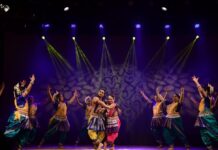
From the poetry of medieval saints to modern literary expressions, the language has always carried within it the rhythm of the land and the soul of its people. Yet, as Odisha celebrates Utkal Divas with parades, cultural programs, and official ceremonies, a quiet question lingers beneath the surface: how deeply are we connected today to the very ideals that gave birth to this state? Cultural pride is often most visible in symbols – traditional attire, music, dance, and language. On this day, there is a renewed emphasis on Odissi performances, folk traditions, and the recitation of patriotic songs. These are important markers of identity, and they evoke a sense of belonging. However, culture is not static. It lives and evolves in everyday practices, in the way people think, speak, and engage with their surroundings. In contemporary Odisha, especially among the younger generation, there is a noticeable shift. English and Hindi increasingly dominate urban spaces, education, and professional communication. While this linguistic adaptability is necessary in a globalised world, it also raises concerns about the gradual marginalisation of Odia in its own homeland. When a language begins to retreat from daily use, it tends to lose not only its vocabulary but also its worldview.
The challenge, therefore, is not to resist change but to negotiate it thoughtfully. Preserving a language does not mean isolating it from the world; rather, it means ensuring that it continues to grow and find relevance in new contexts. Literature, media, and education have a crucial role to play in this regard. Encouraging reading habits in Odia, promoting local writers, and integrating the language more meaningfully into education can help bridge this gap.
Beyond language, Utkal Divas also invites reflection on the socio-economic realities of the state. Odisha has made significant progress in recent decades – improvements in infrastructure, disaster management, and industrial development are noteworthy. The state’s resilience, particularly in the face of natural calamities like cyclones, has earned national and international recognition. However, this progress is uneven. Large sections of the population, especially in rural and tribal areas, continue to face challenges related to poverty, education, healthcare, and employment. Migration remains a pressing issue, with many young people leaving the state in search of better opportunities. This outward movement, while economically necessary for individuals, often leads to a weakening of local communities and cultural continuity.
The question of development, therefore, must be examined not only in terms of economic growth but also in terms of human dignity and social equity. True progress lies in creating conditions where people can choose to stay, to contribute, and to flourish within their own cultural and geographical space. Another dimension that deserves attention is the relationship between tradition and modernity. Odisha is home to a vast repository of indigenous knowledge—traditional agricultural practices, ecological wisdom, and community-based living. In an age marked by environmental crises and social fragmentation, these traditions offer valuable insights. Yet, they are often overlooked in the rush towards modernisation.
Utkal Divas can serve as an opportunity to revisit these traditions, not with nostalgia alone but with a critical eye towards their relevance today. How can traditional knowledge systems inform contemporary practices? How can cultural heritage be integrated into modern development models? These are questions that require both intellectual engagement and policy-level intervention. At a deeper level, the celebration of Utkal Divas is also about self-reflection. It is a moment to ask: what does it mean to be Odia today? Is it defined solely by language and geography, or does it encompass a broader set of values—resilience, inclusivity, and a sense of collective responsibility? In a rapidly changing world, identities are becoming more fluid. People are increasingly connected across regions and cultures. In such a context, regional identity need not be seen as restrictive. On the contrary, it can serve as a foundation from which individuals engage with the wider world. A strong sense of one’s roots often enables a more confident and meaningful interaction with others.
The spirit of Utkal Divas, therefore, lies not only in celebrating the past but also in shaping the future. It calls for a balanced approach, one that honours cultural heritage while embracing change, that promotes development while ensuring equity, and that nurtures identity without fostering exclusion. As the state moves forward, the responsibility rests not only with policymakers and institutions but also with individuals. Language must be spoken and written with pride, culture must be lived in everyday actions, and development must be pursued with a sense of justice and compassion.
Utkal Divas is not merely a date on the calendar. It is a reminder – a reminder of a collective journey, of struggles endured and aspirations realised. It is also a call to action, urging each generation to carry forward the legacy with awareness and commitment. In celebrating this day, Odisha stands at a crossroads between memory and possibility, between pride and introspection. The path it chooses will determine not only the future of the state, but also the vitality of the identity it so proudly commemorates.
(The author is a former Reader in English. Views expressed are personal.)
In1995-6 ,my articles have harped on the sentence,” Odisha is rich,but Odias are poor”.Happy that this excellent write-up dwells upon aprogressive orientation for revival of socio-economic-culturql resurgence through a pragmatic & realistic manner.Sadly these have become copy-book dictum.s& we seem to rejoice on ideentity-theft at political levels,ignoring practical imperatives.Today,let us notimmerse ourselves in emotional frenzy but introspecti on incumbent needs for our revival to pre-eminence.