



















The meaning of Indian Independence Day in 2025—its pride, progress, democracy, and challenges shaping India
Bhaskar Parichha
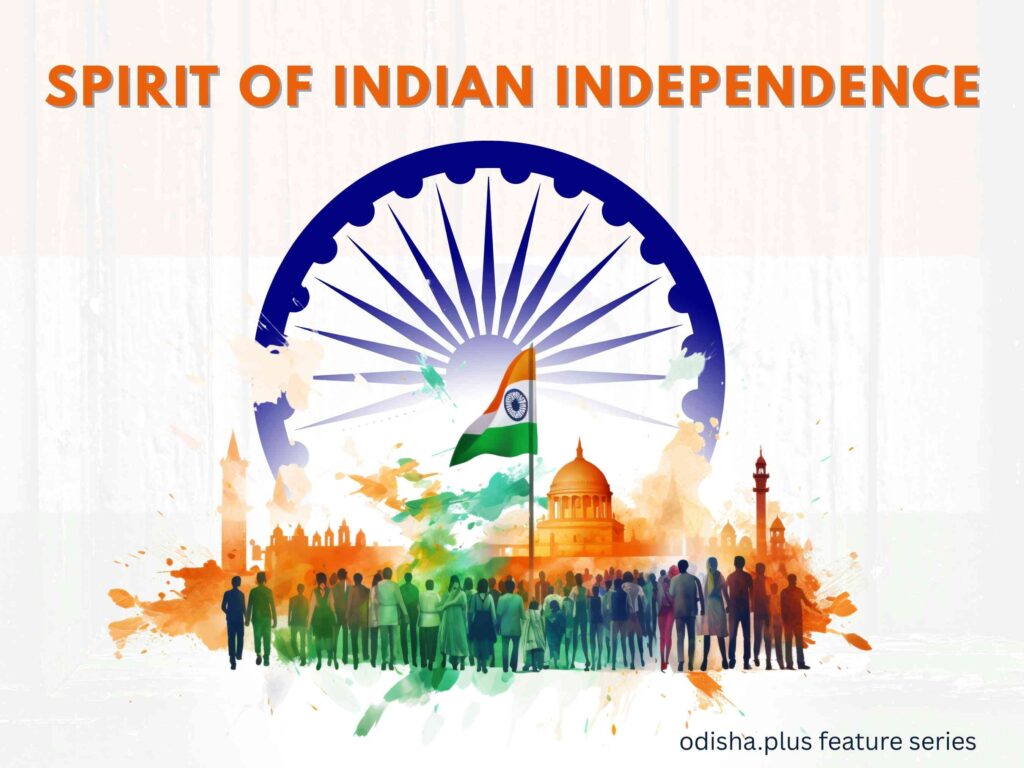
Indian Independence Day, celebrated on August 15, marks the end of British colonial rule in 1947, symbolizing India’s sovereignty and self-determination. Today, it carries layered significance.
First is national pride and unity. It’s a reminder of the sacrifices made by freedom fighters like Gandhi, Nehru, and countless others, fostering a sense of national identity across India’s diverse cultures, languages, and religions. The flag hoisting, singing of the national anthem, and public celebrations reinforce collective pride.
Secondly,it reflects on the progress the country has made in the last eight decades. In 2025, it prompts evaluation of India’s journey—economic growth, technological advancements (like Chandrayaan and Gaganayaan missions), and global influence—while acknowledging challenges like poverty, inequality, and infrastructure gaps.
The 78th anniversary emphasizes how far India has come since 1947, with a GDP now among the world’s largest, yet still striving for inclusive development.
Third,democratic values. Independence underscores India’s commitment to democracy, with its vibrant, often messy, political landscape. It’s a moment to reflect on the Constitution’s role in safeguarding rights and fostering debates on governance, freedom of expression, and social justice.These debates have now become more pronounced.
Cultural and global Identity comes next.For the Indian diaspora, it’s a celebration of Indian heritage, with events worldwide.
India’s soft power—Bollywood, cuisine, yoga—also amplifies its global presence.Sharing pride in India’s achievements is as important as addressing ongoing issues like education and healthcare access as RSS chief Mohan Bhagat has recently said.
There are many other challenges and aspirations. Independence also means confronting modern challenges—climate change, digital divides, and geopolitical tensions.
While aspiring to goals like “Viksit Bharat” (Developed India) by 2047, as pushed by current leadership, it’s also a call to balance tradition with innovation.
In essence, Indian Independence in 2025 is both a celebration of hard-won freedom and a prompt bh to address unfinished goals.
Uniting 1.4 billion people in reflection and introspection is an important task.
(The author is a senior journalist and columnist. Views expressed are personal.)