



















For students of Mass Communication and Journalism, strategic career guidance is essential to navigate a widening horizon and cultivate a versatile professional skill set
Nilambar Rath
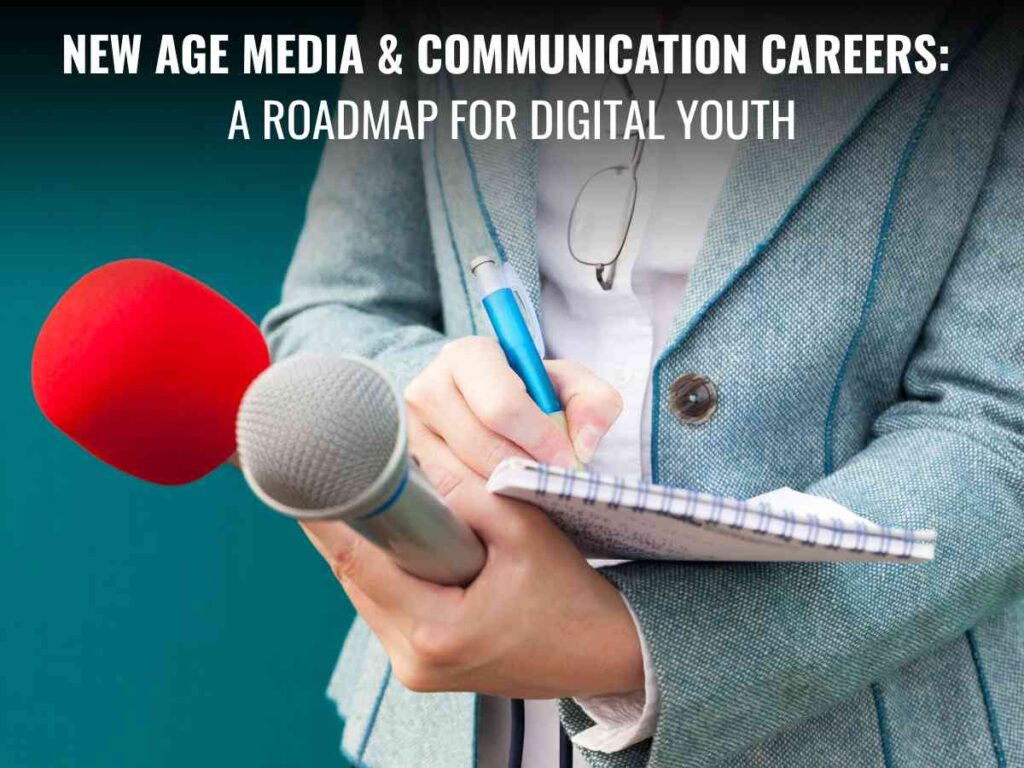
We are living through one of the most transformative periods in human communication. As we step further into 2025, the media landscape is no longer just shifting; it has fundamentally reorganized itself. For students of journalism and mass communication, this is not a time for apprehension but for bold exploration. The convergence of digital connectivity, artificial intelligence (AI), and the creator economy has cracked open a vault of opportunities that did not exist a decade ago.
Having spent over three decades in this industry, I have witnessed the transition from print-dominant newsrooms to the satellite TV boom, and now, to the age of the algorithm. The questions I often hear from young aspirants are consistent: “Will AI take my job?” or “Is there a future beyond traditional reporting?” The answer is a resounding yes—but only if you are willing to adapt, unlearn, and relearn.
The Double-Edged Sword of Technology
The digital revolution offers a paradox of challenges and opportunities. On one hand, we face information overload, rapid technological obsolescence, and complex ethical dilemmas. On the other, we have unparalleled access to global connectivity and diverse career paths that allow for innovation in content creation.
AI and digital transformation are not just disruptors; they are catalysts. Rather than replacing journalists, these tools are creating new paradigms for content creation and distribution. The professional of tomorrow will not compete with AI but will collaborate with it to enhance productivity and creativity.
A Spectrum of Opportunities
The field of mass communication has expanded far beyond the traditional triumvirate of print, radio, and television. Today, we look at a segmented yet interconnected ecosystem of careers:
1. News Media 2.0 (Print, Electronic & Digital) The core of journalism remains the same—truth-telling—but the medium is fluid. The demand for reporters, editors, news anchors, and producers persists, but now these roles require proficiency in multimedia. A modern journalist must be a “shredder-editor-publisher” rolled into one—capable of writing a deep-dive article, producing digital content, and adapting to evolving trends and technologies. Critical thinking and analysis remain the bedrock of this profession.
2. Strategic and Corporate Communication As brands live under the constant scrutiny of social media, the need for sophisticated Corporate Communications and Public Relations (PR) experts has skyrocketed. Professionals in this space are now Crisis Communication Experts and Brand Managers who manage reputation in real-time. The key skills here involve strategic planning, relationship management, and digital media proficiency. Whether in PR or Strategic Communication, the goal is message development that resonates with stakeholders.
3. Development Communication For those driven by social impact, Development Communication offers a fulfilling path. Agencies and non-profits require specialists in Social and Behavior Change Communication (SBCC) to drive campaigns on public health, education, and sustainability. This sector requires a nuanced understanding of policy analysis, advocacy skills, and community engagement, bridging the gap between complex data and the public.
4. The Language Industry: Translation & Interpretation This is perhaps the most underrated growth sector. The translation and localization industry is growing rapidly, creating careers for Translators, Interpreters, and Localization Specialists. With the need for businesses to reach diverse linguistic demographics, skills in transcription and cultural sensitivity are highly valued. Furthermore, Interpretation Services offer roles for Conference and Legal Interpreters who possess fluency, quick thinking, and excellent listening skills.
5. Social Media & Digital Marketing The digital age has birthed roles that are purely online-centric. From Social Media Managers to Content Strategists, these professionals focus on audience engagement, SEO, analytics, and branding. It is a field that rewards creativity and project management skills equally.
The Entrepreneurial Leap: The Creator Economy
We are witnessing the rise of the “Creator Economy,” the era of the Media Entrepreneur. You no longer need to wait for a hiring letter from a media house; you can build one.
Platforms have empowered independent creators—Freelance Content Creators, YouTubers, and Instagrammers—to become Social Media Entrepreneurs. By identifying a niche market and developing a solid business plan, individuals can create resources and jobs rather than just seeking them. Whether establishing a Creative Media Agency or working as an influencer, self-employment offers potential for innovation and leadership.
The Academic Pathway
For those inclined towards research and mentorship, the academic world is equally hungry for talent. As the industry evolves, universities need faculty who bridge the gap between theory and practice—professors who understand the ethics of AI, the mechanics of digital convergence, and the sociology of new media. Pursuing higher studies and research in these emerging fields is a robust career choice.
Preparing for the Future
To navigate this diverse landscape, students must cultivate a versatile skill set: deep expertise in one area coupled with broad knowledge of others.
- Continuous Learning: The tools we use today may be obsolete tomorrow. Stay updated with industry trends and prioritize skill development.
- Networking: Building a strong professional network is as important as your portfolio.
- Practical Experience: Internships are no longer optional; they are the testing ground where you gain vital practical experience.
The future of media is not written by algorithms; it is written by those who know how to use them. Whether you choose to be a corporate storyteller, a relentless reporter, a language expert, or a media entrepreneur, the horizon is wide open.
(About the Author: Nilambar Rath is a senior media personality with over three decades of experience covering news media and media leadership in the domains of Print, TV, and Digital. He is the Founder Editor & CEO of OdishaLIVE Media Network and Co-Founder, Swasthya Plus Network. Beyond his corporate leadership, he pursues a passion for contributing to academics by hosting workshops and mentoring young professionals. Mr. Rath also serves on the Board of Studies of different universities, contributing to the shaping of course content and industry outlook.)