





















Odisha to launch Automatic Appeal System under ORTPSA from May 2026, ensuring faster public services, accountability, and transparent digital governance
OdishaPlus Bureau
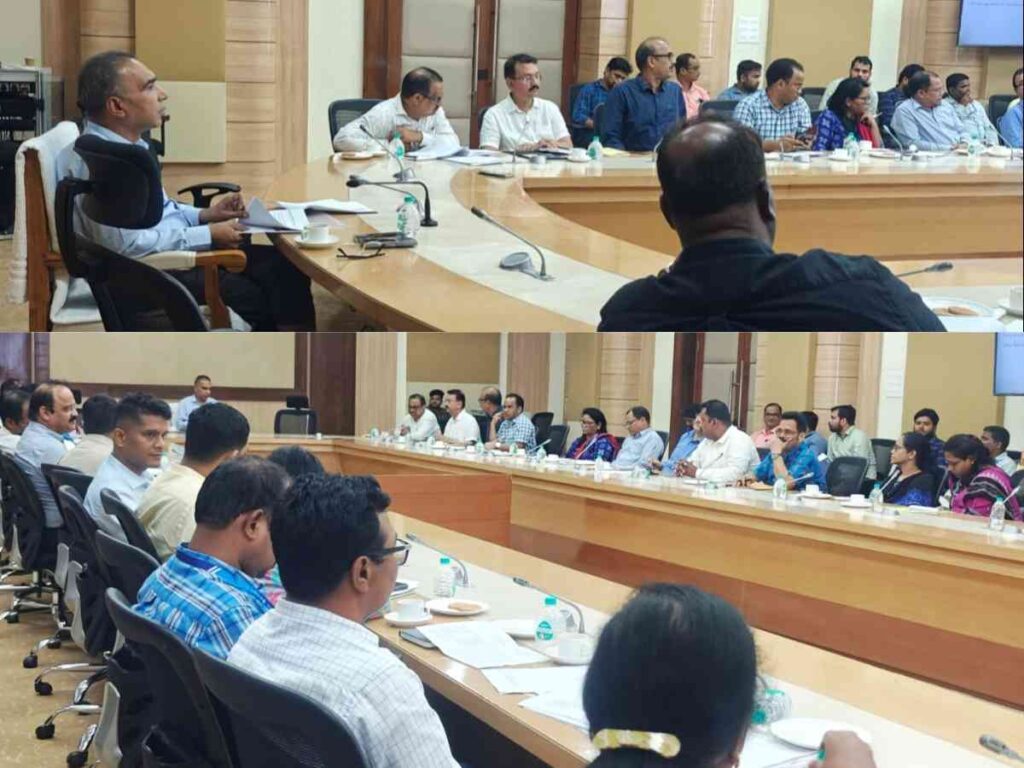
In a significant move to strengthen the Odisha Right to Public Services Act (ORTPSA) and ensure timely delivery of government services, the Government of Odisha is set to introduce an “Automatic Appeal System” under the Act from May 2026. This reform marks a major milestone in enhancing administrative accountability and citizen empowerment.
The announcement was made during a review of the implementation of ORTPSA attended by nodal officers representing 32 departments. The meeting was chaired by Suresh Kumar Vashishth, Special Secretary, General Administration & Public Grievance Department.
Addressing the officials, Vashishth informed that the State Cabinet has recently approved the Automatic Appeal System. The primary objective of this system is to eliminate delays in grievance redressal. Under this mechanism, if a designated officer fails to deliver a service within the stipulated timeframe, the application will be automatically escalated to the higher appellate authority, ensuring that citizens do not suffer due to administrative delays.
He emphasized that this initiative signals the beginning of a new era of administrative accountability in Odisha. Once implemented, it will ensure that no citizen is forced to wait indefinitely for services they are legally entitled to receive.
Elaborating on the critical need for such a system, Devabrata Mallick, Additional Secretary to the department noted that while the Act has already streamlined service delivery, the Automatic Appeal System will further safeguard citizens’ rights to timely services. He also urged all nodal officers to ensure that their respective departmental databases are fully integrated with the central portal within the May 2026 timeline.
Appreciating the coordinated efforts of all departments, he highlighted that such initiatives will position Odisha as a leading state in digital governance and public accountability.
A technical session was also conducted under the coordination of Pinaki Mohanty, Project Coordinator of the Act. He highlighted that the system will enable real-time tracking of file movement across 32 departments, significantly enhancing transparency.
Importantly, citizens will no longer need to reapply if their appeal is not heard within the stipulated time—the system will automatically initiate the appeal process. This will reduce the need for repeated visits to government offices and make governance more efficient, and citizen-friendly.