




















Odisha begins residential lifeguard training at OSWALI, Konark, to boost water tourism safety. Aiming to train 2,000 lifeguards for beaches and inland waters
OdishaPlus Bureau
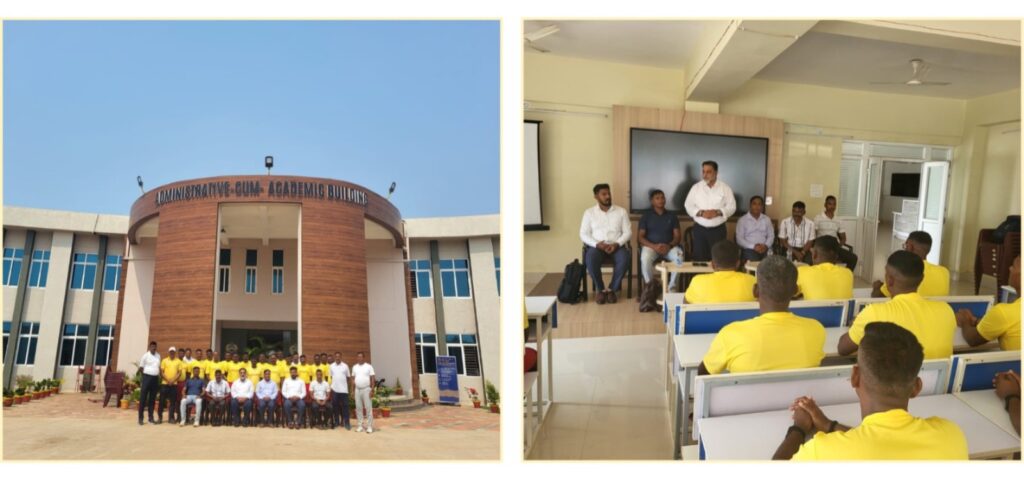
In a significant step toward enhancing safety standards in water-based tourism, Odisha has initiated a comprehensive residential lifeguard training programme at the Odisha State Watermanship and Lifeguard Institute (OSWALI), Konark. The first batch commenced on Monday, marking the beginning of a sustained capacity-building effort aimed at strengthening the state’s preparedness across its coastal and inland water destinations.
The programme will be conducted in 11 continuous batches of 12 days each over approximately six weeks. A total of 176 lifeguards from both government and private sectors are expected to undergo training in this phase. The curriculum focuses on critical skills such as rescue operations, CPR and first aid, open water operations, disaster response, tourist safety protocols and watersports safety standards.
This initiative builds on a broader policy direction taken earlier this year by the Department of Tourism, Government of Odisha to position the State as a safe and well-regulated adventure tourism destination. The department had formalized strategic partnerships with the National Institute of Water Sports (NIWS), Goa and the Odisha Fire & Emergency Services (OFES) to strengthen technical capacity, introduce standardized training frameworks, and improve emergency response systems across Odisha’s rapidly evolving watersports ecosystem
Odisha aims to train nearly 2,000 lifeguards over the next two to three years, creating a scalable safety network to support increasing tourist footfall across beaches, lakes, riverfronts, and dams. Training modules aligned with national standards, particularly through collaboration with NIWS, are expected to ensure consistency in certification and operational readiness.
In parallel, Odisha has undertaken a comprehensive mapping of water bodies across all 30 districts, identifying usable stretches and potential tourism zones. This data-driven approach is now informing the creation of a district-wise pool of trained youth, facilitating targeted deployment and improving response capabilities in high-footfall areas.
Lifeguards trained in the current phase are expected to be deployed across key tourist locations, including Puri and Chandrabhaga Beach, among other prominent sites. The continuous batch model is designed to accelerate readiness ahead of the peak tourist season, when demand for safety personnel is highest.
As Odisha expands its footprint in water-based tourism, the emphasis on structured training and institutional partnerships reflects a shift toward building a resilient safety ecosystem, one that balances growth with preparedness and public safety.