

















Kalicharan Pattnaik, pioneer of modern Odia theatre and Odissi dance, played a defining role in Odisha’s artistic renaissance and cultural identity
Sanjay Bhatt
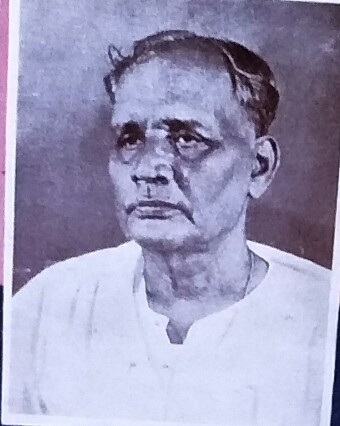
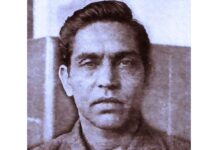
Born on December 23, 1897, on the sacred occasion of Bakula Amavasya, in Khamaranga village on the outskirts of Banki town in Cuttack district, Kalicharan Pattnaik was destined to become one of the most luminous figures in Odia cultural history. He was born to Durga Charan Pattnaik and Radhamali Devi in a household deeply rooted in tradition and learning.
Revered as the “Bharata Muni of modern Odia dramaturgy,” Kabichandra Kalicharan Pattnaik occupies a pre-eminent position as a playwright, lyricist, poet, Odissi musician, dance scholar, and cultural visionary. His contributions reshaped the foundations of Odia theatre, Odissi music, and Odissi dance, elevating them to national and international prominence.
Kalicharan Pattnaik began his artistic journey as a performer in traditional Lila plays. By the fourth decade of the twentieth century, he emerged as a leading force in modern Odia theatre, writing progressive stage plays and actively working toward their promotion and popularization.
In 1929, he founded the Sakshigopal Natak Sangha, followed later by the establishment of Odisha Theatres, institutions that played a pivotal role in the expansion and professionalization of Odia theatre and acting.
His landmark play Girls School (1939) heralded a new era in Odia stage drama, both in theme and performance technique. Through his relentless scholarship and advocacy, Odissi dance was formally recognized as a classical dance form in 1958, a milestone achievement in India’s cultural history.
Alongside his artistic pursuits, Kalicharan Pattnaik also served society through formal education, taking up employment as a Sub-Inspector of Schools in Khandapara and Ganjam. In recognition of his extraordinary talent in drama, the Gajapati of Puri, Sri Rama Chandra Dev, conferred upon him the honorific title “Kabichandra” in 1927.
(The writer is a visual artist and TV serial director. Views expressed are personal.)