

















Explore the soul of Odisha through “Odia Byanjana.” Discover the state’s rich history, temple architecture, classical arts, and timeless culinary traditions
Debasish Patanaik
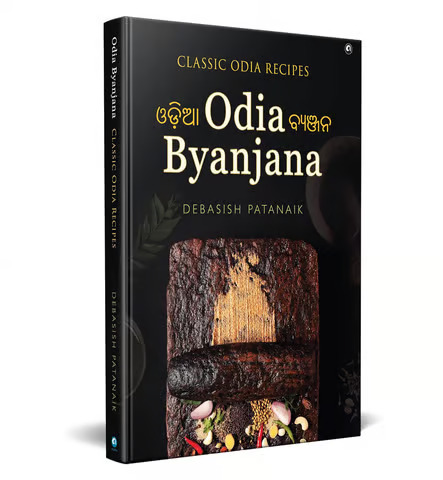
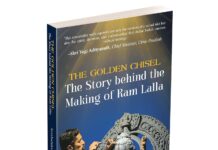
Book Name: Odia Byanjana: Classic Odia Recipes
Author: Debasish Patanaik
Publisher: Aleph Books
Location: New Delhi
Odisha lies on the eastern coast of India, between the Bay of Bengal and the Eastern Ghats. It is a land rich in history, culture, and tradition. Grand temples built in stone live alongside tribal heritage. Its festivals are full of colour, music, and devotion; its forests echo with the call of wild elephants; its coasts shelter rare dolphins, and its skies welcome birds from across the world. Odisha’s food carries the taste of the land, soulful and deeply rooted. Every part of the province reflects the spirit of its art, its rituals, and its warm hospitality. It is a place where the past lives on in everyday life.
Ancient Odisha was prominent during the Kalinga War that changed Emperor Ashoka’s heart. Moved by the suffering, he embraced Buddhism. Later, dynasties like the Gangas, Keshari, and the Gajapatis led Odisha into a golden age. They built grand temples and promoted art, architecture, and trade. Ports like Tamralipti, Chelitala, and Palur connected Odisha to Southeast Asia, making it a hub of maritime commerce.
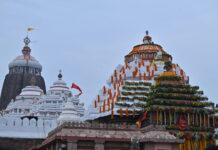
The Sun Temple at Konark is a thirteenth-century wonder; shaped like a giant chariot, it is adorned with carved wheels and enduring motifs. The Jagannath Temple in Puri, of the twelfth century, is another sacred site. Bhubaneswar, known as the Temple City, has over 500 temples. From the towering Lingaraj to the elegant Mukteshwar and Rajarani, each one is poetry etched in stone.
Odisha’s rich biodiversity is as striking as its cultural heritage. From lush forests and rolling hills to vast wetlands and pristine beaches, the state is a haven for nature lovers and wildlife enthusiasts. The Simlipal National Park, with dense sal forests and meandering rivers, makes it a sanctuary for wildlife. Chilika Lake is a birdwatcher’s paradise, Bhitarkanika, famous for saltwater crocodiles, highlights the state’s ecological wealth. Odisha is home to approximately sixty-two tribal communities; they make up over 22 per cent of the state’s population. These communities speak over seventy dialects and generally follow animistic faiths.
Odisha’s art lives in its dance and music. Odissi is the state’s classical dance form. Graceful hand gestures, soft facial expressions, and flowing movements are integral to it. Folk dances also thrive in the state. While Chhau is a martial
dance from Mayurbhanj, Ghumura features loud drums and tribal vigour. Odisha’s crafts are a blend of beauty and skill. Pattachitra is an underrated art, which features scroll paintings on a canvas of cloth, using vegetable colours and fine lines.
Appliqué from Pipli uses colourful fabric pieces to create bold patterns. Cuttack’s silver filigree, called Tarakasi, stone carvings from Puri, Dhokra items from Dhenkanal, and lacquer work of Koraput show the precision of Odisha’s art forms. Odisha’s handloom weaves are equally famous; be it Sambalpuri, Bomkai sarees, Berhampur Patta, or Nua Patna Ikat.
Odia is one of India’s six classical languages. Writers like Sarala Das, Bhima Bhoi, Fakir Mohan Senapati, and others shaped Odia literature with epic poems and modern stories. Jayadeva’s Gita Govinda and Upendra Bhanja’s lyrical verses are still widely read. The Odia language gained classical status in 2014, in recognition of its long and rich history.
Odisha’s festivals are full of devotion, colour, and joy. The Rath Yatra in Puri is the grandest of them all. Raja in coastal Odisha and Nuaakhai in the western regions are celebrated with great enthusiasm and vibrant rituals. Kaartika Purnima marks Odisha’s seafaring past; people float tiny boats on rivers to recreate the tradition of ancient traders.
Odisha’s food is simple, yet full of flavour. Rice is the staple. It is served with Dalma, a wholesome mix of lentils and vegetables spiced with Jeera Lankaa Gunda (roasted cumin and red chilli powder). Non-vegetarian dishes like mutton/fish curry, Chingudi Rasaa (prawn curry), and crab masala are quite popular. Temple food is mostly vegetarian and deeply spiritual, though there are a number of temples in the state where fish, shrimp, etc., are allowed. Pakhaala, fermented rice with water, is a popular summer dish. Desserts like Chhenaa Poda and Rasaabali are local favourites. Street food such as Dahibaraa Aloodum offer a taste of Odisha’s everyday magic.
Today’s Odisha blends heritage with progress. The capital city Bhubaneswar, India’s first planned city, mixes old temples with new tech parks. The state has witnessed significant growth in the education and healthcare sectors in recent years. It has also emerged as a national hub for steel, alumina, and thermal power industries. Odisha has also made impressive strides in sports Cup twice, and the Asian Athletics Meet. Yet, the soul of Odisha lies in its villages, Women still draw Jhoti patterns on doorsteps. Fishermen sing songs to infrastructure, having successfully hosted global events like the Hockey World the sea. Modern Odisha moves ahead, but never forgets its roots.
(Excerpts from the book Odia Byanjana by Debasish Patanaik, published by Aleph Books/ New Delhi with permission. The writer is a hotelier and an entrepreneur. Views expressed are personal.)