















Nuakhai is not merely a religious festival; it’s a socio-cultural phenomenon that binds the people of Western Odisha together
Nilambar Rath

As the monsoon clouds recede and the fields of Western Odisha burst forth with the promise of a bountiful harvest, a unique aroma fills the air – that of freshly reaped paddy, soon to be offered to the deities. This heralds the arrival of Nuakhai, a mass festival that resonates deeply with the agrarian soul of the region.
More than just a harvest festival, Nuakhai is a profound expression of gratitude, a celebration of community bonds, and a reaffirmation of the timeless connection between humanity and nature.
Nuakhai, literally meaning ‘new food’ (nua – new, khai – eat), is celebrated on the fifth day of the lunar fortnight of Bhadraba, known as Bhadraba Sukla Panchami, the day after Ganesh Puja. It’s a day when every household, every village, and indeed the entire fabric of Western Odisha, comes alive with joy, devotion, and a spirit of togetherness that is truly infectious.
The preparations for Nuakhai begin weeks in advance. Homes are meticulously cleaned and whitewashed, new clothes are bought, and families scattered across the country and the globe make their way back to their ancestral villages. This homecoming is a crucial aspect of the festival, underscoring the importance of family unity and tradition.
The air buzzes with excitement as women prepare traditional delicacies, the most significant of which is ‘Pitha,’ a variety of rice cakes. The entire atmosphere is charged with anticipation, building up to the main day.
On the morning of Nuakhai, the spiritual heart of the celebration beats strongest. The ‘nua dhan’ or new rice, freshly harvested and sometimes symbolically reaped for the occasion, is central to the rituals. This new rice is ground into flour and mixed with other ingredients to prepare ‘nua khei’ – the first offering to the presiding deities.
In every home, the family deity is invoked. The eldest female member of the family, often the grandmother, plays a pivotal role, meticulously arranging the offerings.
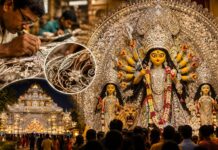
The most significant ritual is the ‘Nuakhai Juhar’ – offering the first grains of the new harvest to the village deity or Goddess Samaleswari, the presiding deity of Sambalpur, and other regional goddesses like Sureswari, Pataneswari, and Manikeswari. This act is a humble acknowledgment of the divine’s role in sustaining life and providing sustenance. Once the offering is made in the temples, it is then replicated in every household.
At home, after the offerings to the deities, the ‘nua khei’ is partaken by all family members, marking the official consumption of the new harvest. This is followed by the ‘Nuakhai Bhetghat,’ a tradition of greeting and showing respect to elders.
Younger members touch the feet of their elders, seeking their blessings. This beautiful custom reinforces the hierarchical structure of respect within families and communities. The day is filled with laughter, shared meals, and the exchange of greetings. Special dishes like ‘Arisa Pitha,’ ‘Kakara Pitha,’ and various curries are prepared, making the feast a culinary delight.
Temples, the social and spiritual epicentres, become vibrant hubs of activity during Nuakhai. Thousands of devotees throng to witness the ‘Nuakhai Bhetghat’ ceremonies and offer their prayers. The priests, with their chants and rituals, elevate the spiritual ambiance.
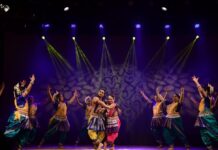
Community feasts are often organized, where people from all walks of life come together to share meals, breaking down social barriers and fostering a sense of egalitarianism. Traditional folk dances like ‘Dalkhai,’ ‘Rasarkeli,’ and ‘Ghumra’ are performed with gusto, accompanied by the rhythmic beats of traditional instruments, adding a festive fervor to the celebrations.
Nuakhai is not merely a religious festival; it’s a socio-cultural phenomenon that binds the people of Western Odisha together. It’s a day when old enmities are forgotten, new friendships are forged, and the spirit of harmony prevails. The festival also underscores the deep reverence the people hold for Mother Earth, acknowledging her bounty and expressing gratitude for her generosity.
In an increasingly globalized world, Nuakhai stands as a beautiful testament to the enduring power of tradition, the sanctity of agrarian life, and the warmth of community. It’s a reminder that even as societies evolve, the fundamental values of gratitude, family, and harmony continue to nourish the human spirit, much like the fertile soil nourishes the new harvest.
The vibrant celebrations of Nuakhai thus ensure that the rich cultural heritage of Western Odisha continues to thrive, connecting generations to their roots and to the rhythms of nature.
(A veteran media personality, communication specialist and SBCC expert, the author is the Editor of OdishaLIVE and OdishaPlus, leading the strategy for their digital and social media channels.)